


Iodine, selenium and magnesium are often discussed separately, but in real life they do not affect well-being in isolation. Iodine is needed for the synthesis of thyroid hormones, selenium is involved in the work of selenoproteins and enzymes associated with antioxidant protection and thyroid hormone metabolism, and magnesium is involved in hundreds of enzymatic reactions, including muscle function, the nervous system, energy regulation and carbohydrate metabolism. When one of these nutrients falls out of the picture, a person often tries to attribute the condition simply to stress, age, or fatigue, when the problem could be a much more mundane nutritional deficiency or a failed supplement regimen.
At the same time, the topic has another extreme. People often read about the beneficial properties of iodine, selenium or magnesium and begin to compensate for a possible deficiency very aggressively: they buy high dosages, take several supplements at once, or focus only on general complaints without a normal assessment of the diet and context. For these nutrients, this approach fails. A deficiency can really make you feel worse, but an excess, especially of iodine and selenium, can also cause unpleasant symptoms and disrupt the functioning of the thyroid gland, gastrointestinal tract, skin, hair and nervous system.
Therefore, it is more useful to look not at one “magic” mineral, but at the overall balance. Well-being often improves not from maximum doses, but from a more precise closure of needs: when there are clear sources in the diet, supplements are used appropriately, and laboratory values and symptoms are read together, and not in isolation from each other.
Why do these nutrients often go together?
Iodine, selenium and magnesium intersect in several important areas. The first is the thyroid gland and general energy metabolism. Iodine is needed as a building block for thyroxine and triiodothyronine. Selenium is important for enzymes that are involved in the conversion of thyroid hormones and help protect tissues from oxidative stress. Magnesium does not build thyroid hormones themselves, but it is needed for energy processes, neuromuscular regulation, sensitivity to stress and a large number of enzyme reactions, without which the body’s normal adaptation becomes noticeably worse.
The second zone is subjective well-being. Fatigue, lethargy, weakness, irritability, deterioration of exercise tolerance, a feeling of “wornness,” muscle spasms, the feeling that there is sleep but no recovery – all this can occur in very different scenarios. Sometimes they are actually based not only on stress and overload, but also on low magnesium intake, lack of iodine in a poor diet, or poor selenium balance. These complaints are nonspecific, so they do not diagnose anything in themselves, but it is because of this that people often become interested in several nutrients at once, rather than just one.
How does iodine affect your health?
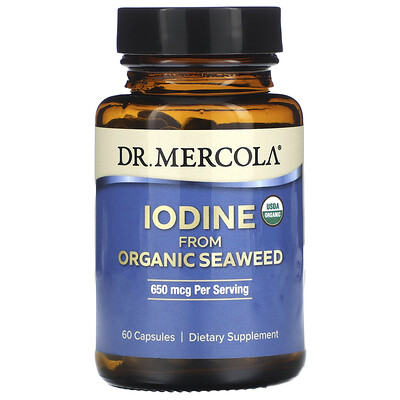
Iodine is an essential component of thyroid hormones. Without it, the body cannot normally synthesize thyroxine and triiodothyronine, which means metabolic rate, thermoregulation, performance, skin and hair quality, and a general sense of energy and resistance to stress begin to suffer. If there is a consistent lack of iodine, a person may notice chilliness, lethargy, slower recovery, dry skin, a tendency to puffiness, and a feeling that “there is little strength even for a normal day.”
But with iodine it is especially important to remember the second side. Increasing it “just in case” with high doses is a bad strategy. In sensitive people, excess iodine can also impair the functioning of the thyroid gland, provoke an increase in TSH, hypothyroidism, or, conversely, create conditions for hyperthyroid episodes. Those who already have nodes, autoimmune diseases of the thyroid gland or the habit of simultaneously taking several complexes where iodine is repeated should be especially careful. It is not maximum iodine that is beneficial, but adequate iodine.
In regular foods, reliable sources of iodine are often seafood, sea fish, eggs, dairy products and iodized salt. In people who eat almost no fish and dairy products, do not use iodized salt, and at the same time avoid processed foods, iodine sometimes actually sags unnoticed. But it’s better to correct this meaningfully, and not with megadoses “for the thyroid gland.”
Why is selenium needed and why is it easy to overdo it?
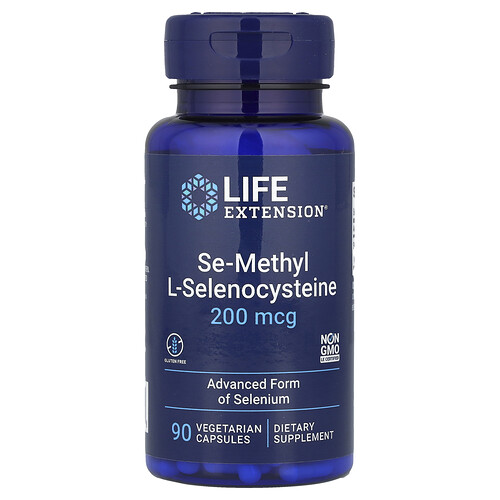
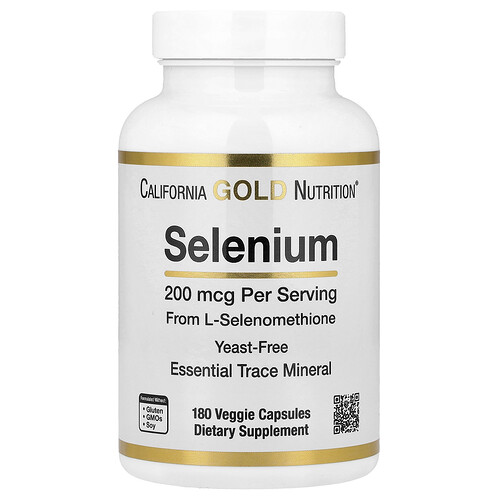
Selenium is involved in the synthesis of selenoproteins, which are needed for antioxidant protection, immune system function, and thyroid hormone metabolism. In practice, this means that normal selenium is important not only as a “thyroid mineral,” but also as part of a system that helps the body deal with oxidative stress and enzyme reactions. If it is low, this may affect the overall energy level, recovery and functioning of the thyroid gland, especially if there are other deficiencies in parallel.
But it is selenium that very clearly shows why extremes are dangerous in nutrition. It’s easy to underestimate, but also easy to overdo. The selenium content in food depends on the raw material, and in supplements the dosage is often quite high. A separate trap is Brazil nuts: they are really rich in selenium, but its amount in one nut can vary greatly. Therefore, the habit of eating handfuls of them every day “for benefit” is quite capable of leading to excess.
With chronic too much selenium, brittleness and changes in nails, hair loss, metallic taste, bad breath, gastrointestinal irritation and other manifestations of selenosis are possible. This is not a reason to be afraid of selenium as such, but a reason not to treat it as a harmless supplement that you can drink uncontrollably for months just because it is “for the immune system and the thyroid gland.”


How magnesium affects energy, sleep and muscles
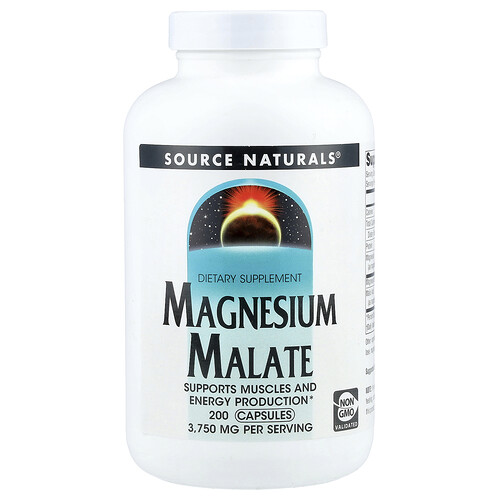
Magnesium is one of the most multi-tasking minerals in the body. It is involved in more than three hundred enzyme systems associated with energy synthesis, nervous system function, muscle contraction, regulation of vascular tone, transmission of nerve impulses and carbohydrate metabolism. Therefore, the complaints that people often associate with “magnesium deficiency” actually have a physiological basis: muscle spasms, increased nervous excitability, a feeling of internal tension, difficulty relaxing, poor quality of sleep, fatigue and decreased resistance to stress.
At the same time, magnesium should also not be turned into a universal explanation for all problems. Not every fatigue is a magnesium deficiency, and not every poor sleep means you need to take high doses immediately. An additional complication is that serum magnesium does not perfectly reflect stores: less than one percent of the body’s total magnesium is found in the blood, and serum levels are tightly regulated. Therefore, a “normal” analysis does not always guarantee that everything is perfect with magnesium, but it does not in itself justify the endless intake of large doses.
In practice, it makes more sense to first evaluate the diet. Magnesium is conveniently obtained from leafy greens, nuts, seeds, legumes, cocoa, and other whole foods. On a low-carb and keto diet, people often get better magnesium through seeds, nuts, greens and mineral water, but with a monotonous menu, it can also sag. Excess magnesium from supplements usually manifests itself primarily in the gastrointestinal tract, especially if the form and dosage are chosen poorly.








From which products is it more convenient to obtain iodine, selenium and magnesium?

The most practical route usually starts not with cans of supplements, but with food. This helps not only to meet needs, but also not to take unnecessary doses unnecessarily. It is most convenient to focus on the following sources:
| nutrient | convenient food sources | what matters in practice |
| iodine | sea fish, seafood, eggs, dairy products, iodized salt | if fish, dairy products, and iodized salt are completely excluded, the risk of deficiency is higher |
| selenium | fish, eggs, meat, seafood, Brazil nuts | Brazil nuts vary greatly in selenium content, so it is easy to overdo them |
| magnesium | pumpkin seeds, almonds, cocoa, greens, legumes, mineral water | even with a formally good diet, magnesium may still fall short during stress, sweating, and heavy load |
This approach is especially useful for those who want to improve their well-being without unnecessary pharmacology. When the diet becomes denser in nutrients, sometimes already at this stage some of the complaints about weakness, spasms, unstable performance and increased fatigue go away. And if symptoms remain, then it’s easier to decide whether tests and supplements are needed.
What symptoms should not be interpreted too straightforwardly?
Weakness, drowsiness, anxiety, muscle twitching, cold sensations, hair loss, irritability, dry skin and poor exercise tolerance often push people to self-administer iodine, selenium and magnesium regimens. The problem is that the same complaints can be related to iron, protein, general malnutrition, inflammation, sleep disturbances, overtraining, thyroid problems, B12 deficiency, electrolyte imbalances, or just chronic overload.
Therefore, the symptoms are a reason to think and put together a picture, and not to prescribe three minerals “for good luck” at once. The more pronounced the complaints, the longer they persist, and the more special features in the anamnesis regarding the thyroid gland, gastrointestinal tract, pregnancy, lactation or medication use, the less sense it makes to act at random. Sometimes it is more useful to check TSH, free T4 and T3, ferritin, vitamin B12, vitamin D, overall diet and electrolytes in time than to play with supplement dosages for months.
For whom it is especially important to avoid extremes
Several groups require special care. Firstly, for people with nodules, autoimmune thyroiditis, episodes of hyper- or hypothyroidism, and in general any already known thyroid problems. Secondly, pregnant and lactating women, because their needs and risks are different, and amateur activities with high doses are especially inappropriate here. Thirdly, for those who already drink multivitamins, electrolytes, minerals and individual complexes in parallel: it is in such regimens that iodine and selenium are often imperceptibly duplicated.
It is also worth remembering about people with very strict restrictive diets. If the diet is monotonous, the risk of deficiency is higher. But this does not mean that you need to compensate for everything with one handful of supplements. More often than not, it makes more sense to first make the diet richer in protein, seafood, eggs, greens, seeds and other basic products, and only then target what you really can’t get with food.
How to act wisely if you want to maintain your well-being
The most workable way usually looks like this:
- assess whether the diet contains real food sources of iodine, selenium and magnesium;
- see if there are any duplicate minerals in multivitamins and complexes;
- do not increase dosages sharply without a clear reason;
- for persistent complaints and questions about the thyroid gland, focus not only on symptoms, but also on tests and clinical context;
- consider supplements as a tool for precision correction, and not as a replacement for a normal diet.
This approach is more boring than the idea of “drinking more healthy things at once,” but it is the one that works better more often. The body usually benefits not from extremes, but from a more even and predictable provision of basic needs.
Conclusion
Iodine, selenium and magnesium really have a noticeable effect on well-being because they are associated with thyroid function, energy metabolism, the nervous system, muscles and resistance to stress. But the benefit from them depends not on the maximum doses, but on the balance. Deficiency can impair energy, recovery and overall health, and excess, especially iodine and selenium, can also create problems. The most reasonable way is to first evaluate the diet and context, then, if necessary, confirm suspicions with tests, and only then use supplements in a targeted manner, and not blindly.
Sources
- Iodine — Health Professional Fact Sheet, National Institutes of Health Office of Dietary Supplements
- Selenium — Health Professional Fact Sheet, National Institutes of Health Office of Dietary Supplements
- Magnesium — Health Professional Fact Sheet, National Institutes of Health Office of Dietary Supplements
- Dietary Reference Intakes for Iodine, Selenium, and Magnesium — National Academies of Sciences, Engineering, and Medicine
- American Thyroid Association Statement on the Potential Risks of Excess Iodine Ingestion and Exposure — American Thyroid Association
- Selenium Supplementation in Adults With Autoimmune Thyroiditis: A Systematic Review and Meta-analysis of Randomized Controlled Trials