


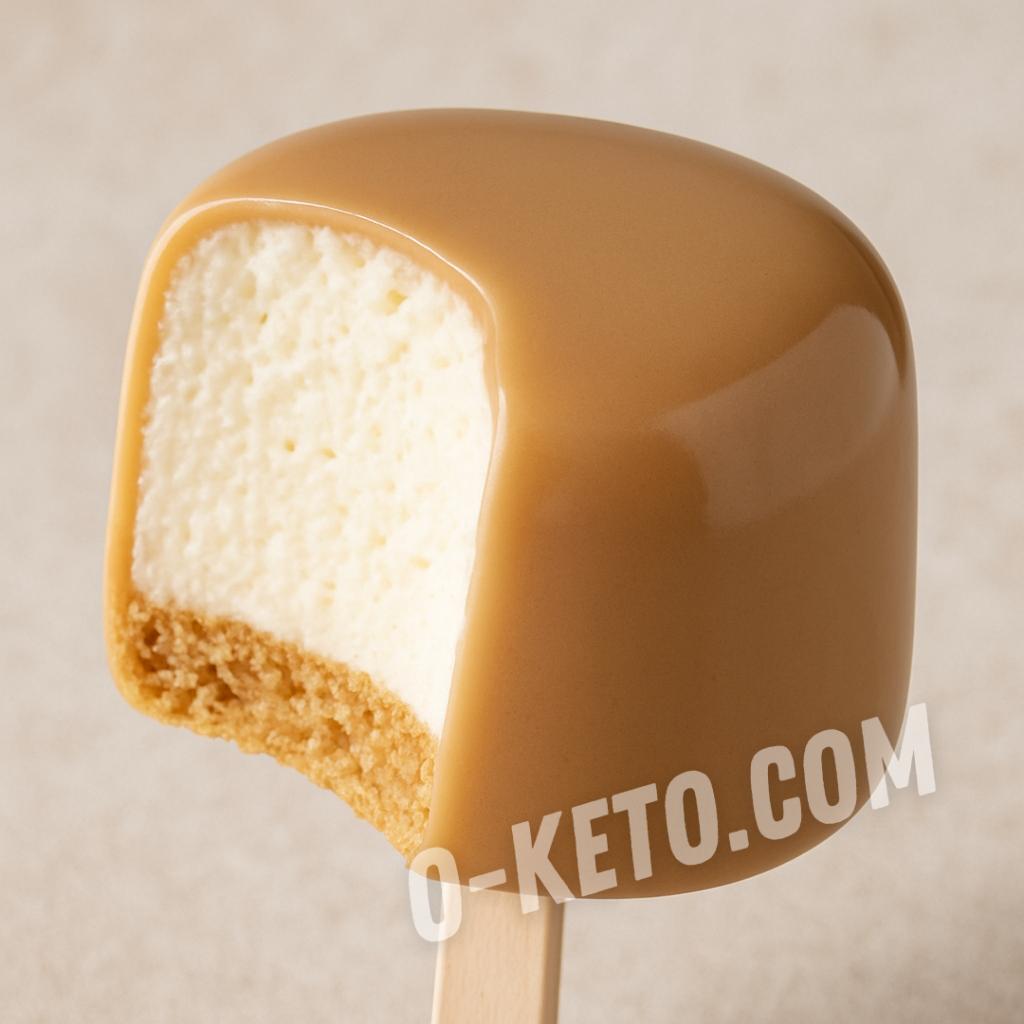
A thin, even shell on a cheesecake pop looks like a detail, but it is often the difference between a polished homemade dessert and one that looks clumsy. The very same ingredients can create a delicate crisp coating or a heavy uneven shell that cracks, slides, or traps droplets of water. In most kitchens the problem is not one single mistake. It is the combination of temperature, humidity, glaze viscosity, and the speed of your work.
When the process is broken into stages it becomes much easier to see where the result starts to go wrong. The dessert may become wet before dipping, the glaze may be too cool or too thick, or the center may not be frozen firmly enough. All of that affects not only appearance but also structure. A shell that is too thick overwhelms the filling, while a wet surface prevents the coating from setting quickly and neatly.
Why condensation appears on the surface
Condensation forms when a very cold dessert meets warmer, humid air. Moisture from the air settles on the surface almost at once. If there is already frost from the freezer, the problem becomes worse because that frost melts into a film of water and stops the glaze from attaching in a thin, clean layer.
The goal is not to make the dessert less cold. The goal is to keep it cold but dry. A practical way to do that is to freeze the desserts thoroughly and then move them from the freezer to the refrigerator for a few minutes before glazing. The outside remains very cold, but it stops attracting moisture so aggressively. This small step is especially useful in a warm kitchen.
It also helps to work in small batches. If you pull every pop out of the freezer and only then start looking for your tray, gloves, or dipping cup, the surface can start softening before the first dip. It is much safer to prepare everything ahead of time: glaze, a deep narrow cup or jug for dipping, a cold tray, paper towels, and a clear place where the finished dessert will go immediately.
Which glaze gives a thin coating and which gives a thick shell
The thickness of the coating depends mainly on viscosity. The thicker the glaze, the more of it stays on the dessert after dipping. If you use only melted chocolate, especially white chocolate, the layer often turns too heavy. It sets quickly, but it can cover the filling with an overly dense shell. For a thinner coating you usually need chocolate plus extra fat, such as cocoa butter or a mild neutral fat like coconut oil.
That extra fat makes the mixture more fluid and helps the excess run back into the bowl. At the same time you do not want to push it too far. If the glaze becomes too thin, it can look patchy, weak, or translucent and may not hold decoration well. The right working consistency is fluid and smooth, but still clearly a coating rather than a sauce.
White chocolate is especially sensitive here. It is naturally denser and sweeter than dark chocolate, so without extra fat it often creates the exact thick shell most people want to avoid. A narrow, taller dipping vessel also helps. It lets you dip quickly and fully without dragging the dessert through glaze that is spread too thin across a wide bowl.
For frozen desserts, the working temperature of the glaze matters almost as much as the formula. If the coating is too cool, it becomes heavier and starts setting in a thick layer before the excess can run off. In practice, a white or milk-style glaze is often easier to use when it stays roughly around 40-45 °C: warm enough to flow cleanly, but not so hot that it becomes harsh or unstable. The dessert itself is so cold that the shell will still set quickly.
For frozen desserts, the working temperature of the glaze matters almost as much as the formula. If the coating is too cool, it becomes heavier and starts setting in a thick layer before the excess can run off. In practice, a white or milk-style glaze is often easier to use when it stays roughly around 40-45 °C: warm enough to flow cleanly, but not so hot that it becomes harsh or unstable. The dessert itself is so cold that the shell will still set quickly.
How to prepare the dessert for dipping
Cheesecake pops and similar frozen desserts glaze best only after full stabilization. If the center is still soft, the stick can shift, the shape can deform, and the shell may crack because the frozen surface and the warmer center do not behave the same way. A deeply frozen dessert is structurally more stable and lets the glaze set almost immediately on contact.
Check the surface of the pops as well. There should be no snowy frost, large ice crystals, traces of film, or visible droplets. If you see any of that, remove it gently with a dry soft towel and return the dessert to the cold briefly. Glazing over water almost always creates bumps or gaps because moisture repels the coating.
The stick is part of the engineering too. If it is loose, the dessert can tilt during dipping and the glaze may collect more heavily on one side. That is why the sticks are easiest to place during assembly, when the filling has started to set but can still grip the wood firmly enough to hold it centered.
How to dip and remove excess glaze
The dip itself should be quick and confident. There is no advantage in keeping the dessert under the glaze for a long time. As soon as the surface is covered, lift the pop and let the excess drip off for a few seconds. Lightly touching the edge of the cup or bowl is often enough to clean the lower edge and stop a thick bead from forming there.
It is rarely a good idea to smooth the shell afterward with a brush or spoon. Once the glaze touches a very cold dessert it begins setting right away, and any later touch leaves marks, streaks, or dragged patches. If the glaze consistency is right and the dessert is cold enough, the cleanest finish usually comes from leaving it alone.
If you want to add crumb, nuts, or a light decorative line, do it immediately while the shell is still tacky. Heavier decoration is often easier after the base layer has already set, because then the coating is less likely to shift or pull away under the weight of the decoration.
It also helps to have every topping ready before the first dip. Frozen desserts set their shell very quickly, so the plan of dipping everything first and decorating later usually falls apart. If you want freeze-dried berries, nuts, coconut, or another dry garnish, keep it open and within reach from the start.
Another common mistake is trying to sweeten the glaze itself with a dry sweetener. Even when ground into powder, it can stay slightly gritty inside chocolate and make the shell look bumpier and feel less clean. A smoother result usually comes from adjusting sweetness through the chocolate and the dessert formula as a whole rather than adding a last-minute dry sweetener directly to the coating.
It also helps to have every topping ready before the first dip. Frozen desserts set their shell very quickly, so the plan of dipping everything first and decorating later usually falls apart. If you want freeze-dried berries, nuts, coconut, or another dry garnish, keep it open and within reach from the start.
Another common mistake is trying to sweeten the glaze itself with a dry sweetener. Even when ground into powder, it can stay slightly gritty inside chocolate and make the shell look bumpier and feel less clean. A smoother result usually comes from adjusting sweetness through the chocolate and the dessert formula as a whole rather than adding a last-minute dry sweetener directly to the coating.
Most common mistakes
The most common reasons for a thick shell are too little added fat, too low a working temperature, or leaving the dessert in the glaze for too long. Another common mistake is dipping straight from the freezer in a humid room and then wondering why dull spots, bubbles, or wet patches appear. A third mistake is trying to fix a shell that has already started setting by touching it, redipping it, or reshaping it without freezing the dessert again.
One more underrated problem is starting in a rush. Frozen desserts do not forgive last-minute searching for a rack or tray. When the station is prepared in advance, glazing becomes a short controlled cycle: take out a small batch, dip, let the excess run off, place on a cold surface, and move on. That rhythm alone reduces condensation and messy shells significantly.
Conclusion
A good glaze for cheesecake pops depends on a dry cold dessert, a fluid coating, and quick organized work. Freeze the dessert deeply, then let the outer surface stabilize for a few minutes in the refrigerator before dipping. Keep the glaze fluid enough for excess to run off easily. When those basics are controlled, even a home kitchen can produce a thin clean shell without condensation, dragging, or a heavy chocolate crust.