

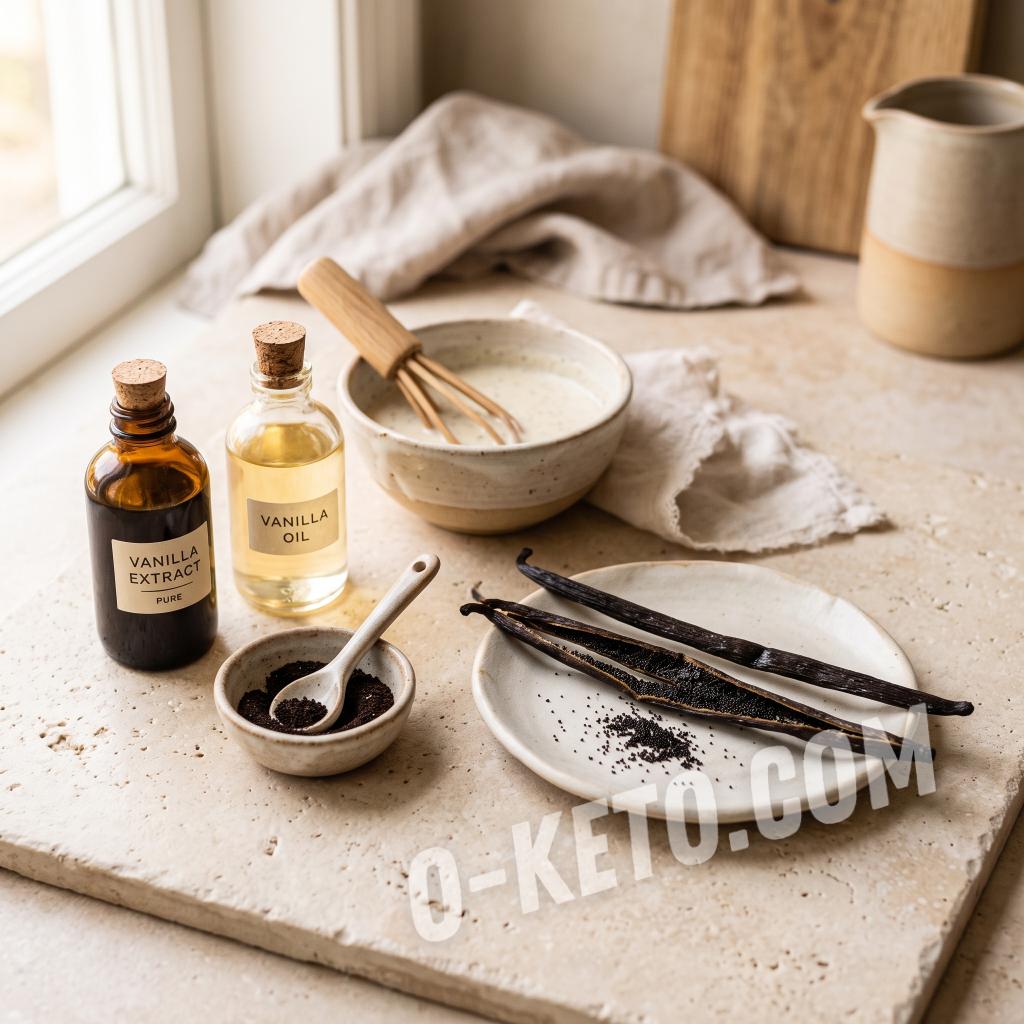

Natural vanilla looks simple only from a distance. In real dessert work it is not one universal flavoring, but several different tools. The same pod can be used for scraped seeds, an alcohol extract, an oil macerate, or a vanilla powder. Each form behaves differently in batter, cream, mousse, ice cream, curd desserts, chocolate, or glaze, so using them interchangeably often leads to a weaker result than people expect.
That is why expensive natural vanilla benefits from a little strategy. It is wasteful to spend the most precious part of the pod where a good extract would do the job, and it is disappointing to use synthetic vanilla flavor in a dessert that would actually benefit from the rounder, deeper, more complex aroma of the real spice. In a home kitchen, the goal is not to use natural vanilla everywhere at any cost, but to match the right form to the right dessert so the aroma stays clear, elegant, and technically useful.
Natural vanilla versus vanillin
The difference between natural vanilla and vanillin is not just a matter of price. A real vanilla pod contains a broader aromatic profile, not a single isolated note. That gives desserts a warmer, softer, and more layered impression. Vanillin can still smell pleasant and recognizable, but it usually feels flatter and more direct. The more delicate the dessert, the easier it is to notice that difference.
This matters most in creams, mousses, custards, cottage cheese desserts, ice cream, and lighter baked goods where the aroma is not hidden by strong cocoa, coffee, caramel, or heavy spice. In louder desserts, natural vanilla may still help, but part of its nuance can get buried. That is why it makes sense to reserve the best natural vanilla for desserts where it will actually stay audible.
How to choose a good vanilla pod
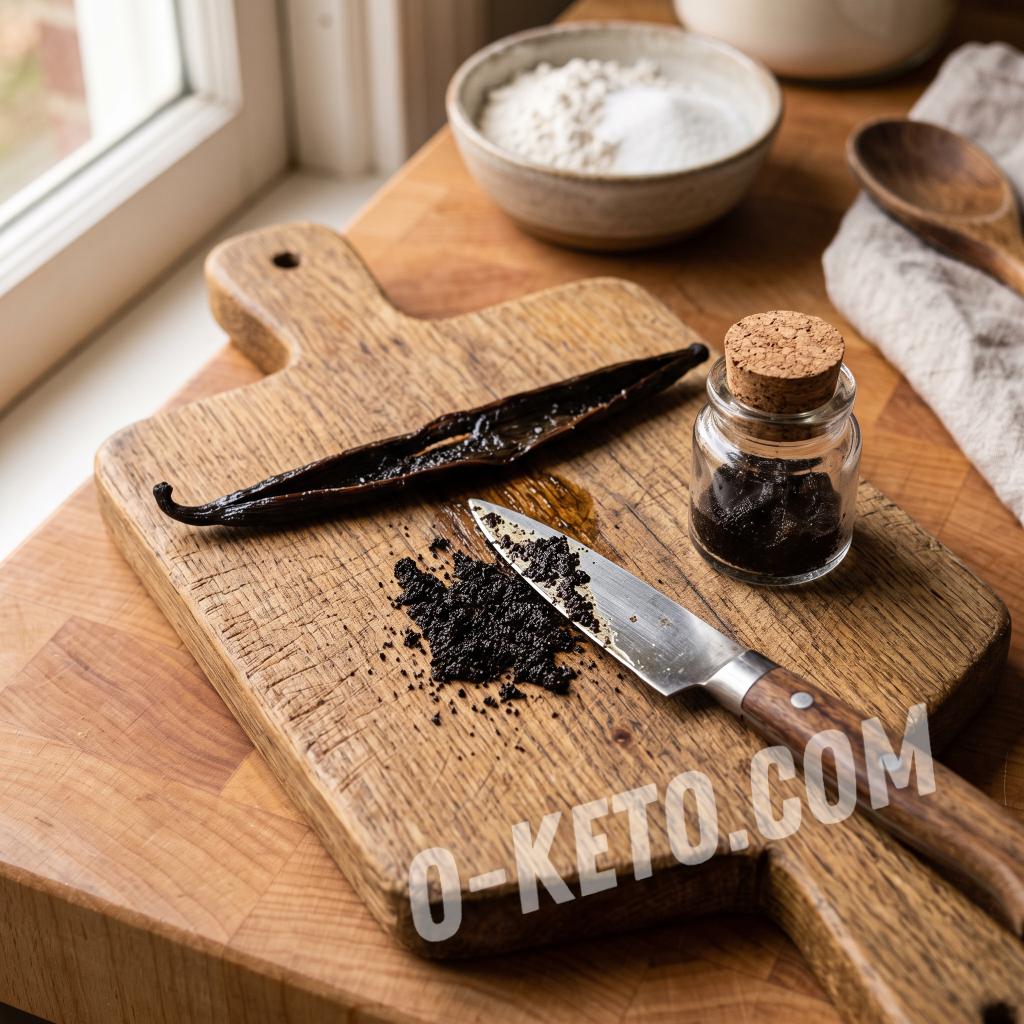
A good vanilla pod is usually dark brown to almost black, flexible, soft, and slightly glossy or oily on the surface. It should not feel brittle, dusty, or dry. If a pod cracks easily when bent, it is already less ideal for aromatic work because part of its volatile character may already be gone, and the seeds inside may be less impressive.
Small white crystals on the surface are not automatically a defect. In many cases they are a sign of rich aromatic concentration. More important indicators are overall softness, an intense pleasant smell, and the absence of stale or flat notes. For home dessert work it is often better to buy a few truly good pods than many mediocre ones that look cheaper but deliver much less.
How to store vanilla without losing aroma
Vanilla dislikes light, open air, and strong surrounding smells. Pods keep best in a tightly closed container stored in a cool, dark, dry place away from coffee, tea, spices, and other aromatic pantry items. If they sit in a loose package for too long, they gradually lose part of their complex fragrance and become harder and less useful.
Even though unopened pods can last a long time, opened and cut pods are better used with intention. Leftover pieces can go straight into extract, macerate, or another practical kitchen infusion instead of drying out in the drawer. That approach helps avoid waste and gives more consistent vanilla flavor across several desserts rather than one unevenly perfumed result.
When the seeds are worth using
The scraped seeds are the most precious and visually expressive part of vanilla. They are especially effective in pale, gentle desserts such as creams, mousses, ice cream, whipped fillings, curd desserts, ganache, and some jams where both the aroma and the look of the tiny specks contribute to the overall impression. In these desserts, the seeds make the vanilla feel more luxurious and more clearly natural.
At the same time, using a whole pod for a basic sponge or a dense chocolate cake is not always the smartest move. In a dessert with lots of cocoa, strong roasting notes, or a heavy texture, part of the benefit may simply disappear. In those situations, a good extract often gives a more practical balance between cost and effect.
Why alcohol extract is usually best for baking
Homemade alcohol extract is one of the most useful forms of vanilla because it spreads easily through batter and works especially well in desserts that are heated. If the extract is made properly, the alcohol note becomes faint or disappears during baking, while the vanilla aroma remains. That makes extract a natural choice for sponge cakes, muffins, baked curd desserts, cheesecakes, pancakes, syrniki, sweet sauces, and jams.
A practical home ratio is about one small pod for roughly 50 ml of vodka, or up to 100 ml if the pod is very large and fleshy. The pod is split, cut into pieces together with the seeds, and left to infuse in a dark place for about 1-2 months with occasional shaking. Over time the liquid becomes brown and aromatic. This format is convenient not only because it is versatile, but also because it is easy to keep in rotation: once one bottle is opened, the next can already be infusing.
When oil macerate works better than extract
Oil macerate is especially useful when you do not want extra alcohol in the dessert and the recipe is cold or only gently handled. It suits creams, mousses, chocolate fillings, curd desserts, truffles, coated bars, and other rich textures where fat already plays an important structural role. In these cases the aroma often feels smoother and more rounded than with a straight alcohol extract.
A neutral oil is usually the safest base. Grapeseed oil, refined coconut oil, and other mild options tend to work well because they do not compete aggressively with the vanilla. A simple reference point is one pod for about 80 ml of oil, infused for at least 4 weeks in a dark place. This form is helpful when fragrance needs to enter a dessert without water and without enough alcohol to disturb an emulsion or thin a filling.
When vanilla powder makes the most sense
Vanilla powder is most useful in recipes where extra liquid is undesirable. That includes dry baking mixes, chocolate, coating blends, nut-based preparations, powdered sweetener blends, and desserts where even a small addition of alcohol or oil would shift the texture. The main advantage of powder is that it delivers aroma in a concentrated dry form.
Still, powder is not automatically the superior option. If a dessert benefits more from extract or oil macerate, forcing powder into the recipe can make the result less convenient rather than more refined. It is better to treat powder as one tool among several and choose it when the structure of the dessert clearly asks for a dry aromatic component.
How not to waste natural vanilla
The most common mistake is using the most expensive form in places where it offers little real advantage. Seeds are wonderful in cream, extract is practical in baked desserts, oil macerate works beautifully in cold fatty textures, and powder is logical in dry or delicate applications. That does not make the dessert less luxurious. It makes the vanilla more accurate and better matched to the technology of the recipe.
It also helps to consider the flavor background. If the dessert already contains a lot of cocoa, coffee, cinnamon, cardamom, caramel notes, or strong citrus zest, part of the complexity of natural vanilla may fade behind those louder elements. In soft dairy, cream, coconut, and curd desserts, by contrast, natural vanilla can noticeably change the whole character of the result.
Conclusion
Natural vanilla works best when its form is chosen with purpose. Seeds create the most refined effect in creams and mousses, alcohol extract is usually the most practical choice for baking and other heated desserts, oil macerate is useful for cold rich textures, and powder helps where extra liquid would interfere with structure. Once that logic becomes clear, even a few good pods can go a long way, and desserts start tasting not just “vanilla-flavored” but genuinely built around real vanilla.