

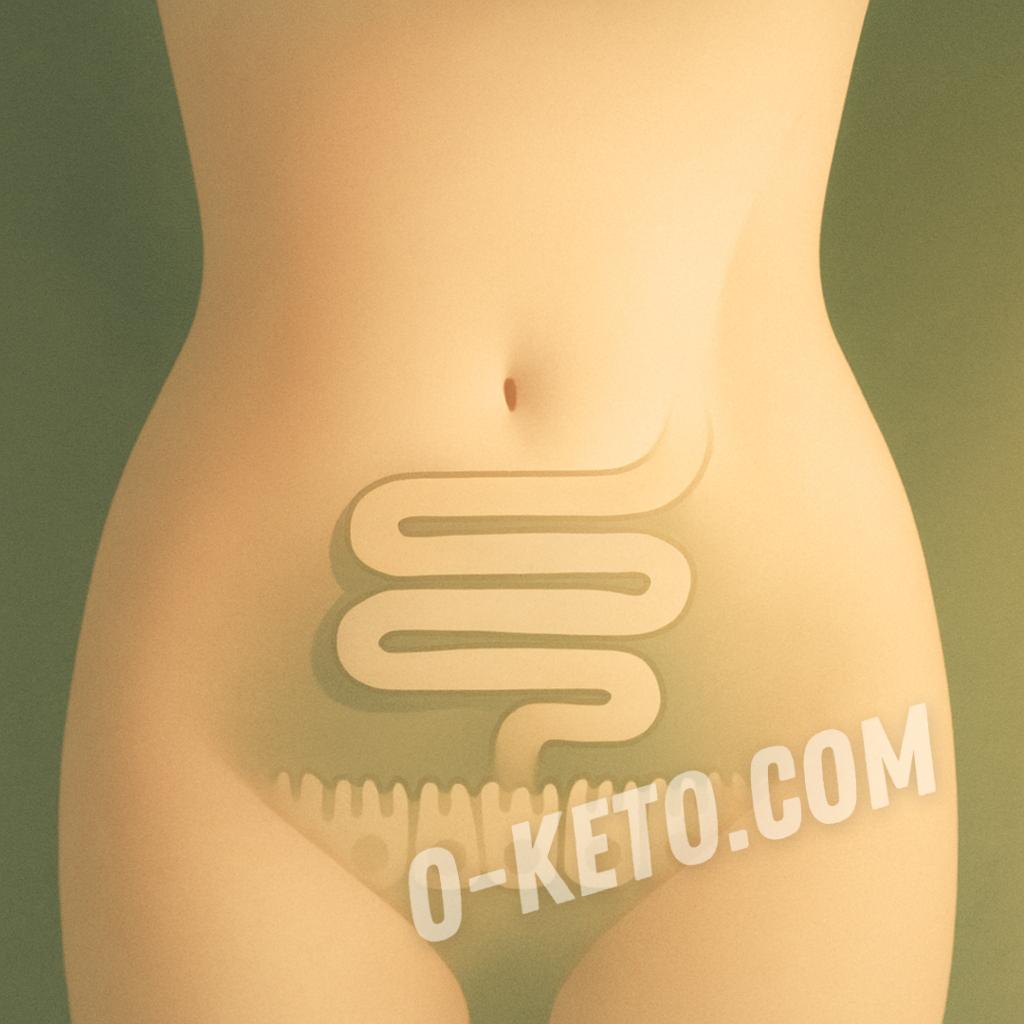

The intestinal barrier is often described too dramatically: either as a fashionable myth or as a universal explanation for every chronic complaint. In practice, a calmer view is more useful. The barrier includes the intestinal lining and the junctions between cells that separate the contents of the gut from the internal environment of the body, participate in nutrient absorption, and at the same time should not let everything pass through unchecked.
This is not a single diagnosis with one magic test, and it should not be used as a label for everything. Still, the condition of the intestinal barrier is genuinely linked to nutrition, the renewal rate of the lining, the microbiome, medication burden, alcohol, and overall digestive quality. Supporting the barrier is therefore not one supplement and not one miraculous protocol, but a set of practical decisions that reduce irritation and provide the gut with proper building material.
What the intestinal barrier actually is
The intestinal barrier is not just mucus and not just bacteria. It includes epithelial cells, the mucus layer, intercellular junctions, local immune mechanisms, and all the factors that allow the gut to absorb what is useful while limiting the passage of what should not move further. When the barrier works well, the intestine handles its basic tasks better: digesting food, taking up nutrients, and avoiding unnecessary inflammatory stress.
It also matters that the intestinal lining belongs to the body’s rapidly renewing tissues. Epithelial cells live briefly and are constantly replaced. That means the gut needs a steady supply of amino acids, energy, micronutrients, and normal conditions for cell maturation. If protein is low, digestion is poor, there are nutrient gaps, or the lining is being constantly irritated, the gut may keep functioning, but the quality of that function gradually declines.
Why it should not be reduced to one phrase
People often use the phrase “leaky gut,” but it is too crude and often creates confusion. In most discussions the issue is not literal holes in the intestinal wall, but changes at the level of the lining, intercellular contacts, microbiome balance, local immune response, and food tolerance. That is why one person may have no dramatic abdominal pain and still tolerate dense meals poorly, react more easily to irritants, or recover less well after infections, medication use, or a period of poor eating.
At the same time, not every episode of fatigue, bloating, skin reactivity, or food intolerance should automatically be reduced to the intestinal barrier. The barrier is part of a system, not an explanation for absolutely everything. This more measured view is more practical because it helps you work on real risk factors without turning every symptom into one fashionable diagnosis.
What most often weakens the intestinal barrier
The gut lining is not challenged only by infections or severe bowel disease. Much more often the problem builds slowly: too much highly processed food, regular alcohol, frequent use of NSAIDs, poor nutrition during chronic stress, a chaotic meal pattern, antibiotics without proper dietary recovery, poor tolerance of protein, and nutrient deficiency. None of these necessarily causes an immediate disaster, but together they create a background in which the lining renews less effectively.
Two groups of factors matter especially. The first is direct irritation: alcohol, some anti-inflammatory drugs, rough dietary stress, constant overeating, and a combination of medications with an empty stomach. The second is a lack of building material: too little complete protein, low zinc, low vitamin D, low vitamin A, and impaired digestion or absorption. For a rapidly renewing tissue this is critical. If there is not enough raw material every day, the intestine cannot keep repairing itself indefinitely.
Why protein matters for the gut as much as for muscle
When people think about protein, they usually think about muscle. But the intestinal lining is also built from proteins. Amino acids are needed for enzymes, transport proteins, immune molecules, connective structures, and the cells that form the protective surface itself. If a person chronically under-eats complete protein, the first tissues to notice are often those with rapid turnover, not just athletic performance.
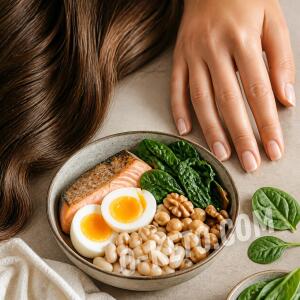
That is why supporting the intestinal barrier depends not on abstract “light eating,” but on food from which the body can actually build new epithelium. In practice this means meat, fish, eggs, organ meats, seafood, well-tolerated dairy, bone broths, and other nutrient-dense protein sources. If large portions are difficult, it is usually more useful to use gentler cooking methods and smaller but regular protein meals than to simply cut back on animal foods and hope vegetables or nuts will do the same job.
Which nutrients matter most for the lining
Supporting the intestinal barrier is not about one single mineral, but several nutrients come up again and again. Zinc is important for epithelial function and intercellular junctions. Vitamin D is involved in immune regulation and is often discussed in relation to mucosal barriers. Vitamin A matters for epithelial tissues in general. Glutamine is often used as one amino-acid support tool for the lining, although it does not replace a real diet and does not solve everything by itself.
It is important not to swing to the opposite extreme and turn the barrier topic into a hunt for supplement bottles. If protein is low, the meal pattern is chaotic, digestion is poor, and alcohol or medications keep irritating the GI tract, one supplement will not create a new healthy intestine. Nutrients work best when they sit on top of an adequate foundation: complete food, proper fat intake, calmer digestion, and fewer obvious irritants.
How the microbiome helps the barrier
The intestinal barrier and the microbiome work together. Helpful bacteria do not merely “live in the gut”; they also participate in fermenting part of the dietary fiber load and in producing metabolites that support the local environment. Short-chain fatty acids, especially butyrate, are often discussed here because they are connected with feeding colon cells, supporting local immune balance, and helping maintain barrier function.
That does not mean everyone should suddenly start eating huge amounts of fiber or any prebiotic powder they see online. If a person has strong bloating, poor tolerance of legumes or fermentable fibers, or worsening symptoms from aggressive fiber loading, pushing more is not always better. Microbiome support tends to work best when it is gradual: built from tolerable foods, enough protein and fat, moderate vegetables, and fermented foods that actually suit the individual.
How food can support the intestinal barrier
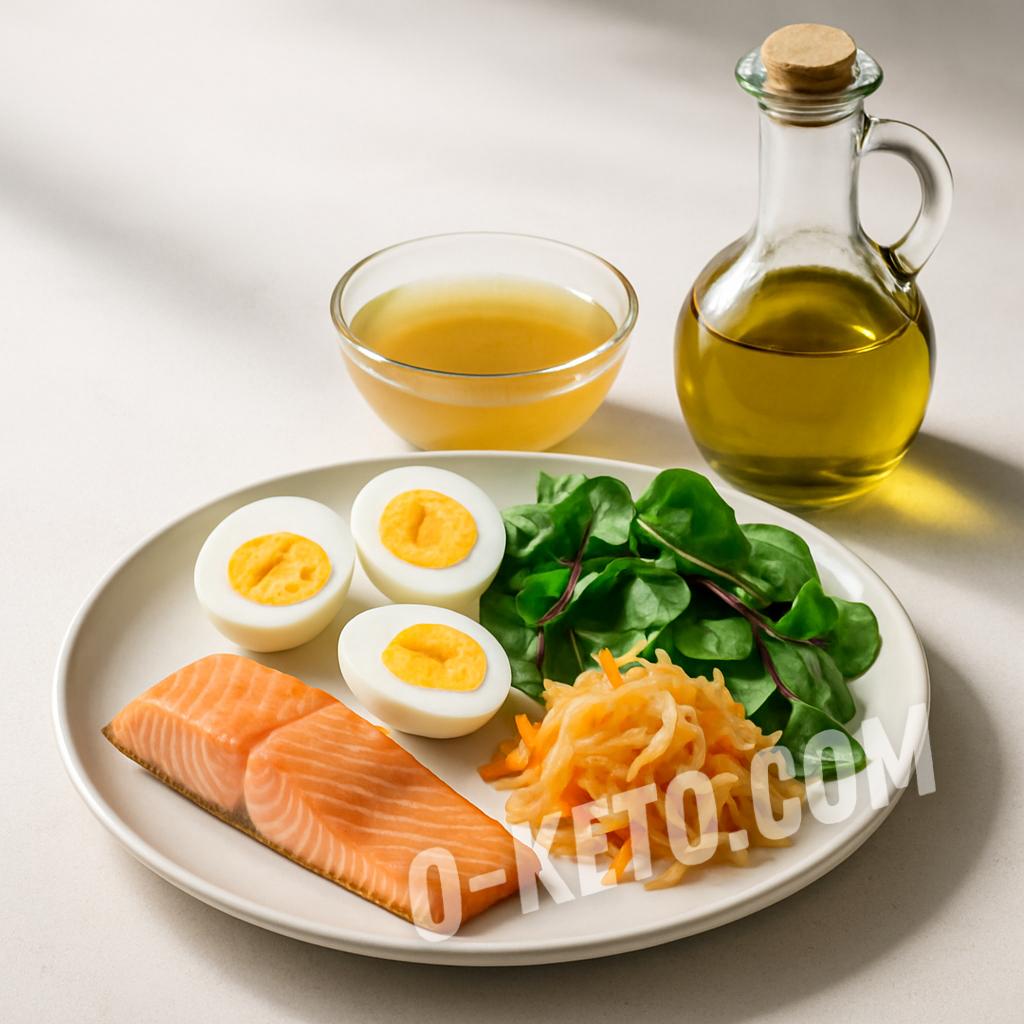
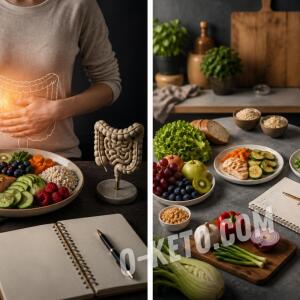
Supporting the intestinal barrier rarely starts with something exotic. Usually the helpful steps are simple: remove obvious food chaos, stop living on coffee, sweets, and random snacks, return to regular meals with real protein, stop fearing fats that help satiety and bile flow, and reduce the foods that clearly worsen tolerance.
A practical base often looks like this:
- complete protein in each main meal;
- adequate fat intake without fear of eggs, fish, meat, butter, and other normal foods;
- vegetables and greens in an amount that is tolerated, not forced;
- fermented foods in small portions when they actually suit you;
- less alcohol, ultra-processed food, and sugary snacks;
- more caution with uncontrolled NSAID use, especially on an empty stomach.
If certain foods reliably trigger heaviness, bloating, noisy digestion, or weakness, it helps to look not only at the food itself but also at the context: portion size, eating speed, alcohol at the same meal, late-night eating, snacking frequency, and the general state of stomach acid and bile flow. Sometimes a person does not need a perfect forbidden list, but a calmer and more technically sound eating pattern.
What to do with fermented foods and prebiotics
Fermented foods can be a useful part of the diet, but they do not have to suit everyone immediately. Sauerkraut, natural yogurt, kefir, low-sugar kombucha, and other naturally fermented foods are often discussed as microbiome support. But if a person has histamine sensitivity, strong bloating, irritation after acidic foods, or poor tolerance of dairy, these foods may need very careful testing.
The same applies to prebiotics and fiber. A moderate increase in tolerable fiber and dietary diversity is often more useful than suddenly starting high doses of inulin or “microbiome” powders. If the gut is irritated, it is usually better to work from tolerance rather than theory: stabilize the core diet first, remove the roughest irritants, and only then explore which fermented foods or fibers actually help.
Why bile flow, stomach acidity, and digestion also matter
Even a good diet does not work equally well if digestion is underperforming. Low stomach acidity, poor tolerance of dense protein meals, weak bile flow, heaviness after fats, and constant fullness can interfere not only with comfort but also with proper nourishment of the lining. If protein is not broken down well and fats cause problems, people often drift toward easier but less nutrient-dense foods.
That is why support for the intestinal barrier often begins not with restriction lists, but with technical questions: how a person digests meat, whether fatty fish causes heaviness, whether reflux is constant, whether large amounts of liquid are needed with meals, and whether the diet is built on random snacks. When digestion becomes calmer, the foundation for barrier renewal usually improves as well.
When to look deeper
If careful work with diet changes nothing, it is important not to get stuck in endless self-treatment “for the gut.” Reasons to investigate more deeply include ongoing weight loss, blood in the stool, severe night diarrhea, anemia, constant weakness, growing intolerance to many foods, strong abdominal pain, persistent reflux, chronic vomiting, prolonged fever, or severe post-meal reactions. In those situations it matters not only to “support the barrier,” but to look for the specific cause with professional help.
It also helps to remember that the intestinal barrier is not an isolated topic. Sleep, stress, medication burden, alcohol frequency, total protein intake, bile flow, post-antibiotic diet, and the simple ability to eat regular meals all influence it. Sometimes the best thing you can do for the gut is not another powder, but a return to basic physiology: sleep properly, eat on time, stop living on snacks, and do not suppress every discomfort with painkillers.
Conclusion
Supporting the intestinal barrier is not one supplement and not one fashionable diet. The most reliable pillars are complete protein, adequate fat intake, tolerable vegetables and fermented foods, better digestion, caution with alcohol and NSAIDs, and a calmer meal pattern. Together these give the lining a real chance to renew itself instead of merely surviving under constant irritation.
If you look at the topic without extremes, decisions become easier. There is no need to call every symptom “leaky gut,” but there is also no reason to ignore the condition of the lining. When food quality, protein intake, the microbiome, and medication burden are handled reasonably, the intestinal barrier usually receives what it needs to recover.
Sources
- Paracellular Permeability and Tight Junction Regulation in Gut Health and Disease — Physiological Reviews
- Amino Acids in Intestinal Physiology and Health — Amino Acids
- Human Gut Homeostasis and Regeneration: The Role of the Gut Microbiota and Its Metabolites — Frontiers in Nutrition
- Food, Gut Barrier Dysfunction, and Related Diseases: A New Target for Future Individualized Disease Prevention and Management — Critical Reviews in Food Science and Nutrition
- Intestinal Barrier Impairment, Preservation, and Repair: An Update — Nutrients
- Can Diet Alter the Intestinal Barrier Permeability in Healthy People? A Systematic Review