Monounsaturated fats reduce the amount of bad cholesterol. What foods are rich in them?

Read
Video on the topic
Comments
Last updated: 16.05.2026
Time to read: 3 min.
Keto, LCHF: Recipes, Rules, Description $$$
Odessa

Monounsaturated fats play a key role in maintaining heart and vascular health.

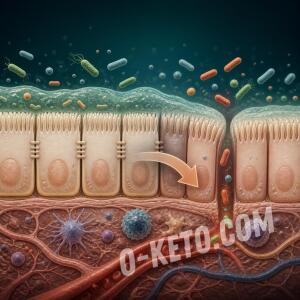
Research shows that they help lower levels of “bad” cholesterol (LDL), which can accumulate on the walls of arteries, leading to the development of cardiovascular diseases.

Unlike saturated fats, which raise levels of bad cholesterol, monounsaturated fats promote its reduction while supporting levels of “good” cholesterol (HDL), necessary for the normal functioning of the body.

They achieve this through several mechanisms:

  • Stimulation of LDL removal. Monounsaturated fats increase the activity of receptors on liver cells that capture and remove LDL from the blood. This reduces the concentration of “bad” cholesterol, decreasing the likelihood of its accumulation on arterial walls.
  • Reduction of LDL oxidation. Oxidized LDL is considered more dangerous for blood vessels, as it penetrates arterial walls more easily and causes inflammation, which can lead to atherosclerosis. Monounsaturated fats help reduce LDL oxidation due to their antioxidant properties.
  • Improvement of overall lipid profile. They increase the level of “good” cholesterol (HDL), which helps transport excess cholesterol from the arteries back to the liver for processing and removal. Thus, the balance between HDL and LDL improves.

Thus, monounsaturated fats improve the lipid profile and reduce the risk of atherosclerosis.

In addition, monounsaturated fats help reduce inflammatory processes in the body and regulate blood sugar levels.

For this reason, it is recommended to reduce the intake of saturated fats and replace them with healthier monounsaturated and polyunsaturated fats.

Although there are no strict norms for the amount of monounsaturated fats, they should make up 15-20% of total caloric intake. This is especially important for those who seek to maintain a healthy balance of fats in their diet.

List of Products
List of Products

But which products are rich in monounsaturated fats?

The products with a high content of monounsaturated fats include:

Olive oil
Vegetable oilsSuperfood
Olive oil. Source of monounsaturated fats and antioxidants, olive oil has anti-inflammatory properties and supports cardiovascular health due to its high polyphenol content.
Avocado oil
Vegetable oilsSuperfood
Avocado oil. Source of monounsaturated fats, avocado oil is rich in vitamins E and K, as well as antioxidants that promote heart health and improve nutrient absorption.
Olives
Vegetables and MushroomsSuperfood
Olives. Source of antioxidants such as oleuropein, which supports the cardiovascular system and has anti-inflammatory properties. Contains healthy fats that promote metabolism improvement.
Avocado
Vegetables and MushroomsSuperfood
Avocado. A source of healthy monounsaturated fats, avocado promotes heart health and reduces inflammation. It contains unique phytosterols that support cholesterol levels.
Acai
BerriesSuperfood
Acai. A source of powerful antioxidants, especially anthocyanins, that support heart health and improve circulation. Unique for its high content of fiber and healthy fats that promote metabolism.
Almond
Nuts and SeedsSuperfood
Almond. A source of healthy fats, vitamin E, and magnesium, almonds help lower cholesterol levels and support heart health. Unique for its high content of antioxidants and fiber.
Hazelnut
Nuts and SeedsSuperfood
Hazelnut. A source of monounsaturated fats, vitamin E, and antioxidants, hazelnuts support heart health and improve cholesterol levels. Unique for its high content of magnesium and copper, which promote metabolism.
Pecan
Nuts and SeedsSuperfood
Pecan. A source of healthy fats and antioxidants, pecans support heart health and help reduce inflammation. Unique for their high content of vitamin E and zinc, they contribute to strengthening the immune system.
Cashews
Nuts and SeedsSuperfood
Cashews. A source of magnesium that helps improve the functioning of the heart and nervous system. Unique for its high content of antioxidants that support skin health and slow down the aging process.
Macadamia
Nuts and SeedsSuperfood
Macadamia. Source of monounsaturated fats that help lower cholesterol levels and improve cardiovascular health. Rich in antioxidants and B vitamins.
Walnut oil (walnut, hazelnut)
Vegetable oilsSuperfood
Walnut oil (walnut, hazelnut). Source of omega-3 and omega-6 fatty acids, as well as antioxidants such as vitamin E. Uniquely high in alpha-linolenic acid, supporting heart and brain health.

The products that predominantly contain monounsaturated fats and slightly less omega-3 fats include:

The products that predominantly contain monounsaturated fats and slightly less saturated fats include:

The products that predominantly contain monounsaturated fats and slightly less omega-6 fats include:

Pistachios
Nuts and SeedsSuperfood
Pistachios. Source of antioxidants such as vitamin E and polyphenols that help protect cells from oxidative stress. Unique for their high content of plant sterols that support cardiovascular health.
Peanuts
Nuts and Seeds
Peanuts. Source of plant protein and healthy fats, rich in B vitamins and magnesium. Contains resveratrol, which has antioxidant properties that contribute to improved cardiovascular health.
Almond milk (unsweetened)
Drinks
Almond milk (unsweetened). A source of healthy fats and vitamin E, almond milk has antioxidant properties and supports skin health. Low in calories and lactose-free, it is perfect for a dietary diet.
Cashew milk (unsweetened)
Drinks
Cashew milk (unsweetened). Source of magnesium and copper that supports bone and cardiovascular health. It has a low carbohydrate content and a high level of healthy fats, making it ideal for a keto diet.
Sesame
Nuts and SeedsSuperfood
Sesame. A source of calcium, magnesium, and antioxidants, sesame promotes better bone and cardiovascular health. The unique lignans in its composition help lower cholesterol levels and maintain hormonal balance.
Truffle
Vegetables and Mushrooms
Truffle. Source of antioxidants and unique compounds that promote digestion and strengthen the immune system. Has a pronounced aroma that enhances the flavor qualities of dishes.
Tahini
Nuts and SeedsSuperfood
Tahini. A source of calcium and magnesium, tahini supports bone and cardiovascular health. It is unique for its high content of antioxidants and healthy fats that help reduce inflammation.
Rapeseed oil
Vegetable oils
Rapeseed oil. Source of omega-3 and omega-6 fatty acids in an optimal ratio, contributes to reducing inflammatory processes and supports cardiovascular health.
Marigold oil
Supplements and Dietary Supplements
Marigold oil. A source of carotenoids with powerful antioxidant properties supports skin and immune system health. Uniquely high in omega-6 fatty acids, it promotes heart health.
Fenugreek
Spices and seasoningsSuperfood
Fenugreek. Source of phytoestrogens and antioxidants, fenugreek helps improve metabolism and supports blood sugar levels. Unique for its high content of galactagogues, which is beneficial for lactation.
Coriander (cilantro seeds)
Spices and seasonings
Coriander (cilantro seeds). A source of antioxidants that help reduce inflammation and improve digestion. Unique for its high content of vitamin K and essential oils that support heart health and metabolism.
Dukkah
Spices and seasonings
Dukkah. A source of antioxidants and healthy fats, unique in its combination of seeds and nuts, which contributes to improved digestion and supports heart health due to its high content of magnesium and fiber.
Black walnut extract
Supplements and Dietary Supplements
Black walnut extract. A source of powerful antioxidants and natural compounds with anti-inflammatory properties. Unique for its high content of juglones, which help maintain gut health and the immune system.
Duck fillet
Meat Products and Eggs
Duck fillet. A source of high-quality protein and healthy fats, duck breast contains omega-3 and omega-6 fatty acids that promote cardiovascular health and reduce inflammation.
Canola oil
Vegetable oils
Canola oil. Source of omega-6 fatty acids, contributes to lowering cholesterol levels and improving cardiovascular health. It has high thermal stability, making it ideal for frying.
Peanut butter
Vegetable oils
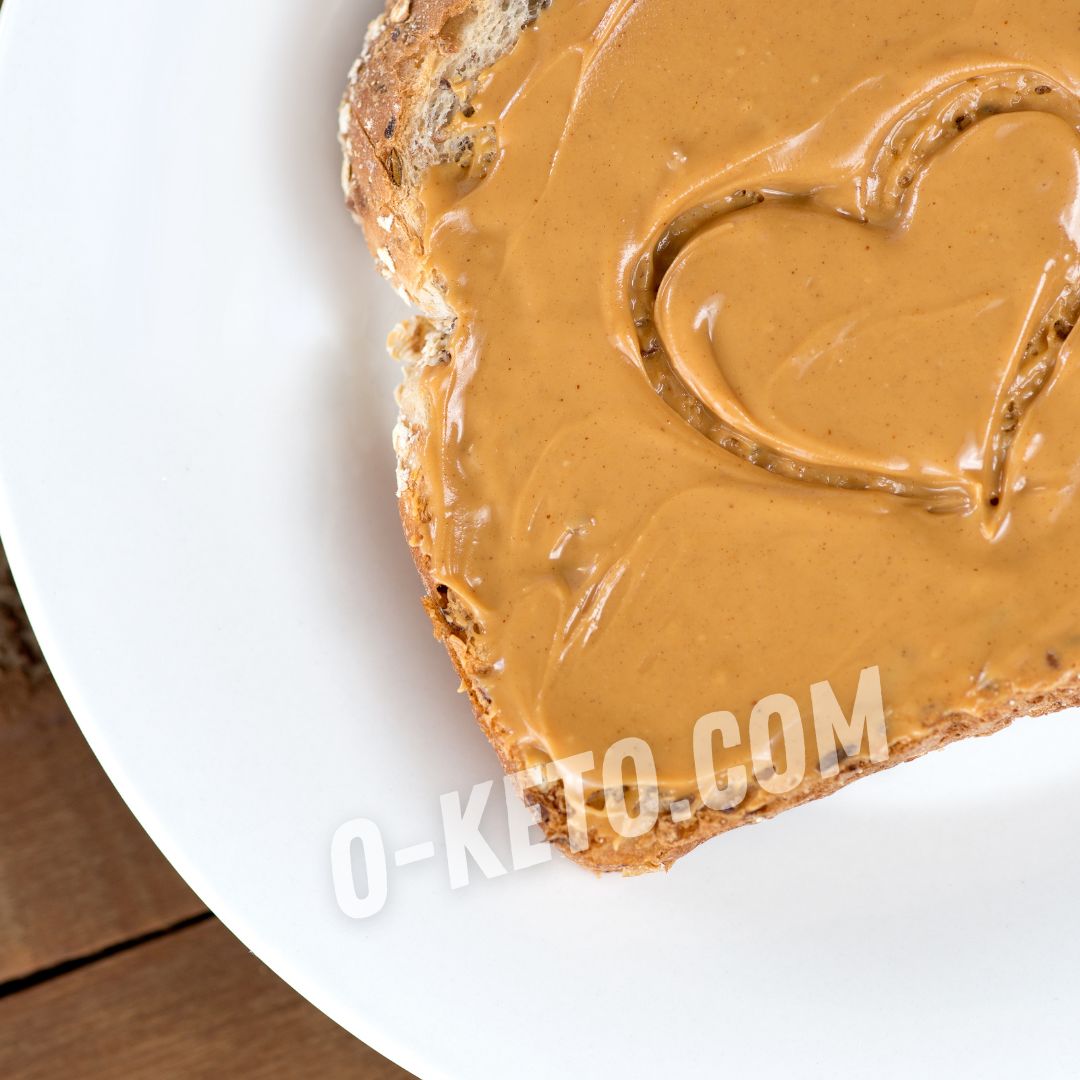
Peanut butter. Source of monounsaturated fats and protein, peanut butter also contains resveratrol, which has antioxidant properties that help reduce inflammation and improve cardiovascular health.
Black seed oil
Vegetable oils
Black seed oil. Source of powerful antioxidants and the unique compound thymoquinone, which has anti-inflammatory and immunomodulatory properties. Supports cardiovascular health and improves digestion.
Pistachio essential oil (Pistacia lentiscus)
Essential Oils
Pistachio essential oil (Pistacia lentiscus). A source of powerful antioxidants and anti-inflammatory compounds, it helps improve digestion and strengthen the immune system. Unique in that it supports skin health and has a calming effect.
Rapeseed
Nuts and Seeds
Rapeseed. Source of omega-3 and omega-6 fatty acids in an optimal ratio, which contributes to the maintenance of the cardiovascular system. Contains a high level of antioxidants that support the immune system.

In addition to nuts, the same lipid profile is found in derivatives of these nuts: flours, oils, pastes, milks.

Recommended Daily Intake

It is optimal for health when monounsaturated fats constitute 20% of total caloric intake.

Thus, if you consume 2000 calories a day, your diet should include 40 grams of monounsaturated fats.

40 grams of monounsaturated fats can be found in:

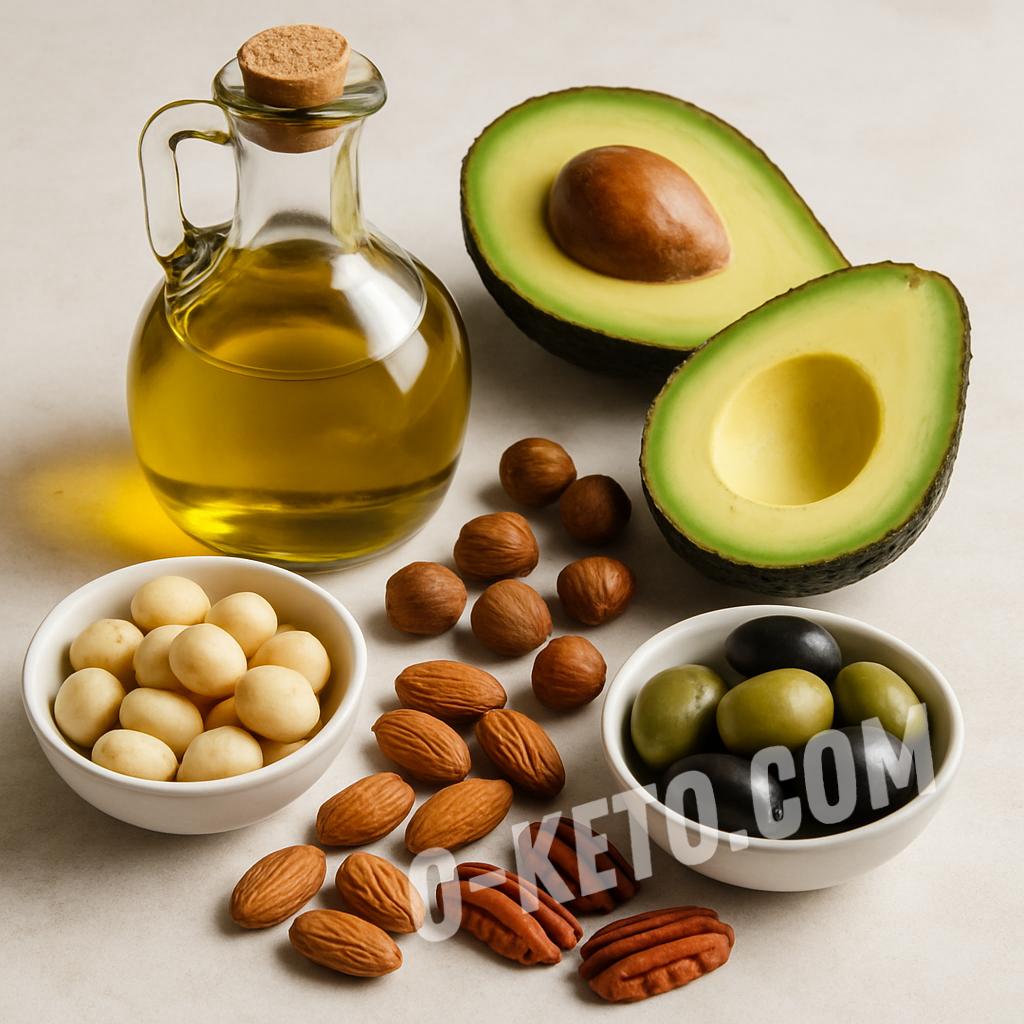
  • 5 tablespoons of olive, hazelnut, or avocado oil;
  • two avocados;
  • 67 grams or 25 macadamia nuts;
  • 80 grams of hazelnuts;
  • 100 grams of almonds or pecans.

These products are the easiest way to obtain 40 grams of monounsaturated fats. However, you can also eat:

It would be quite difficult if you tried to get the required amount of monounsaturated fats by eating:

The most importantSee all
TOP products for combating cholesterol and cardiovascular diseases, and how much of them should be eaten.

Any remaining questions? Ask chatGPT.:

If you have any questions about the article "Monounsaturated fats reduce the amount of bad cholesterol. What foods are rich in them?", you can ask them to AI. Please note, a low-cost OpenAI model is used. It may answer questions about disease treatment with errors!

Ask a question
Share:
Keto, LCHF: Recipes, Rules, Description $$$
Odessa