


TOP-5 Studies on Sports and Bodybuilding from 05.23.2026 - 05.30.2026
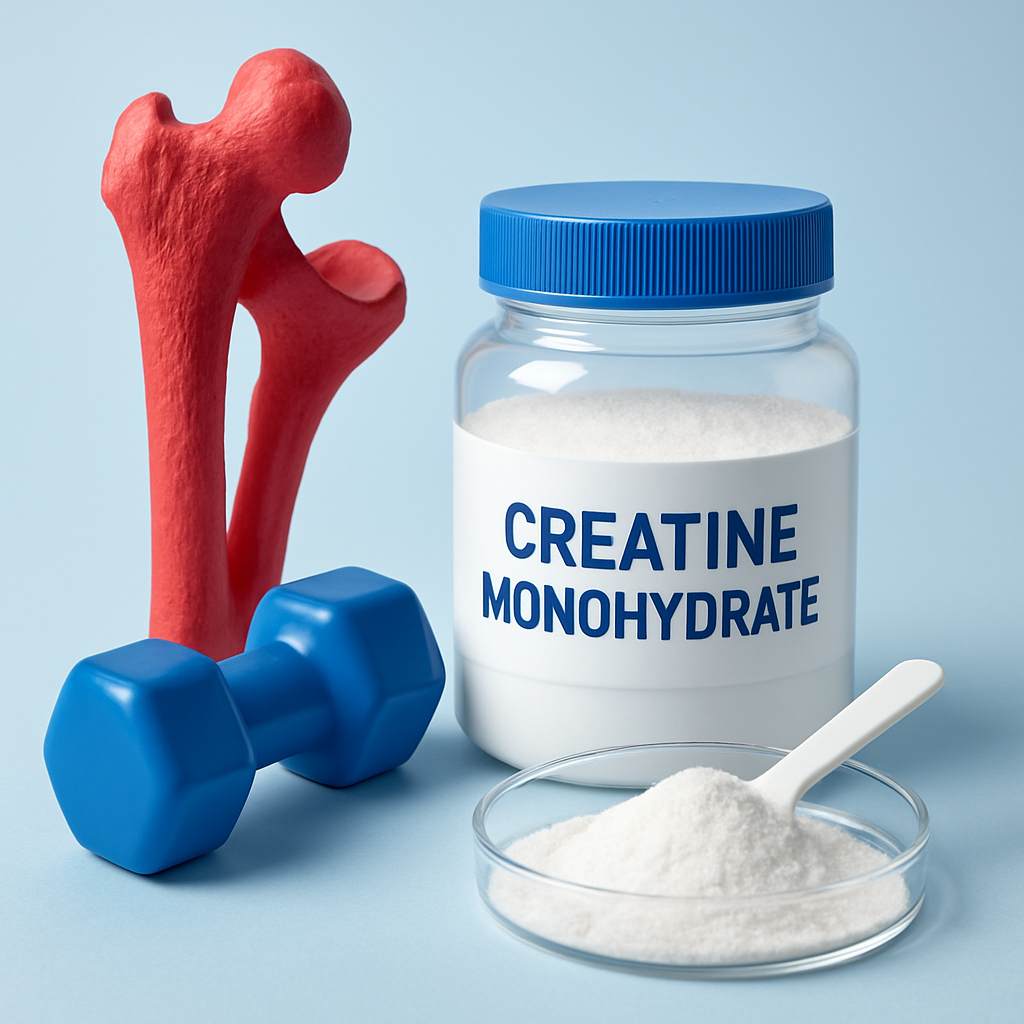

Creatine monohydrate, muscle mass, strength, and bone density; Acute beetroot juice intake does not improve sprint performance and neuromuscular function in trained male sprinters: a randomized, double-blind, placebo-controlled study; Interaction between vitamin D status and exercise signaling: implications for physical adaptation in athletes: a narrative review; Acute effect of photobiomodulation therapy on quadriceps strength, fatigue, and pain in patients with chronic kidney disease: a randomized, double-blind, placebo-controlled crossover clinical trial; Effects of electroacupuncture and Otago exercise program in older adults with sarcopenia: a randomized controlled trial.


5. Creatine Monohydrate for Increasing Muscle Mass, Strength, and Bone Density in Postmenopausal Women: A Systematic Review and Meta-Analysis.
About the study.
The aim of the study was to assess the impact of creatine monohydrate on body mass, strength, and bone density in postmenopausal women. A systematic review and meta-analysis of randomized controlled trials with placebo were analyzed.
Results.
Creatine contributed to an increase in muscle mass by 0.37 kg and an improvement in leg press strength by 7.5 kg, especially when a dose of ≥ 5 g·day⁻¹ was combined with strength training. Bone density did not change overall.
4. Acute Beetroot Juice Intake Does Not Improve Sprint Performance and Neuromuscular Function in Trained Male Sprinters: A Randomized, Double-Blind, Placebo-Controlled Study.
About the study.
The study aimed to evaluate the effect of a single intake of beetroot juice on sprint performance and neuromuscular properties in trained male sprinters. The effects of beetroot juice and placebo were compared in a randomized double-blind placebo-controlled study.
Results.
Beetroot juice intake increased salivary NO- concentrations compared to placebo, but did not lead to improvements in sprint performance or neuromuscular function.
3. Interaction Between Vitamin D Status and Exercise Signaling: Implications for Physical Adaptation in Athletes: A Narrative Review.
About the study.
The review focuses on the interaction between vitamin D status and signaling molecules responsible for adaptation to physical loads in athletes. Mechanisms and clinical data related to the influence of vitamin D on exercise signaling are discussed.
Results.
Vitamin D signals through the vitamin D receptor (VDR) and is associated with the expression of several exercise signaling molecules related to inflammation, metabolism, and muscle remodeling. There are indications of a bidirectional relationship: physical activity may increase VDR expression in skeletal muscles, while adequate levels of vitamin D may influence post-exercise inflammation and metabolism.
2. Acute Effect of Photobiomodulation Therapy on Quadriceps Strength, Fatigue, and Pain in Patients with Chronic Kidney Disease: A Randomized, Double-Blind, Placebo-Controlled Crossover Clinical Trial.
About the study.
The study aimed to evaluate the acute effects of photobiomodulation therapy (PBMT) on quadriceps strength, fatigue, and muscle pain in patients with chronic kidney disease (CKD). In a randomized controlled clinical trial, patients received different doses of PBMT.