


TOP-5 Studies on Obesity, Diabetes, and Insulin Resistance from 09.08.2026 - 09.15.2026
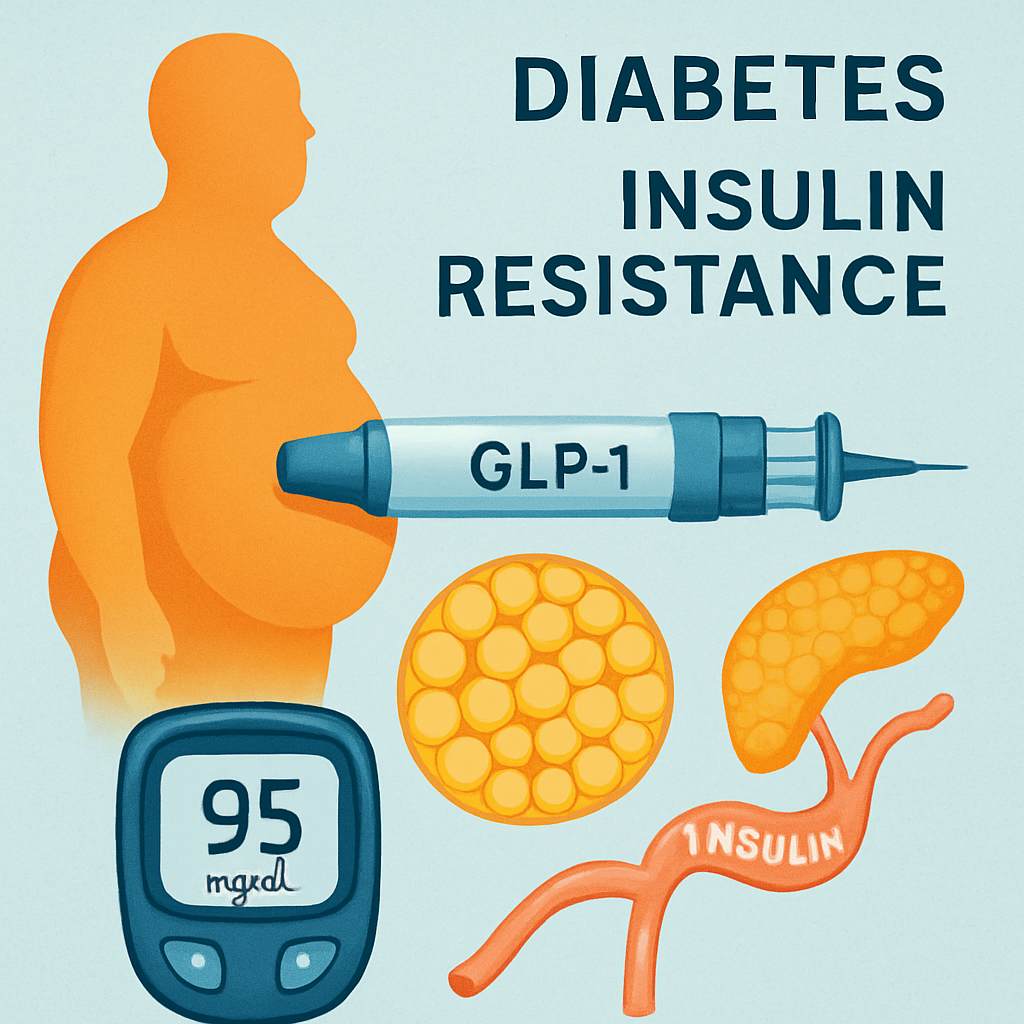

The expanding role of GLP-1 receptor agonists and dual GIP/GLP-1 agonists in dermatology: from immunometabolism to clinical practice; Immune aging, inflammatory aging, and metabolic diseases: a geroscience perspective on mechanisms and connections; Hypothyroidism and metabolic dysfunction-associated steatotic liver disease: mechanisms, clinical connections, and therapeutic implications; Extrahepatic endocrine manifestations of chronic HCV infection; Carcinogenesis associated with metabolic dysfunction: molecular mechanisms and preventive roles of phytochemicals. Part I: pathophysiological mechanisms linking metabolic dysfunction to cancer.


5. The Expanding Role of GLP-1 Receptor Agonists and Dual GIP/GLP-1 Agonists in Dermatology: From Immunometabolism to Clinical Practice.
About the work.
The use of glucagon-like peptide-1 receptor agonists and dual GIP/GLP-1 agonists in dermatology is discussed, focusing on their effects on inflammation and metabolism. Potential clinical benefits of these drugs for chronic inflammatory skin diseases, such as psoriasis and hidradenitis, are explored.
Results.
Current data indicate potential clinical benefits in psoriasis and hidradenitis, positive signals regarding wound healing, and an overall favorable safety profile for the skin, although side effects have been reported, including injection site reactions, hypersensitivity, alopecia, and rare autoimmune rashes.
4. Immune Aging, Inflammatory Aging, and Metabolic Diseases: A Geroscience Perspective on Mechanisms and Connections.
About the work.
The review discusses the connections between immune system aging and metabolic dysfunction, as well as the role of the inflammatory process in this interaction. Key pathways involved in these processes and their impact on insulin resistance and metabolic disorders are discussed.
Results.
The available abstract does not provide detailed results.
3. Hypothyroidism and Metabolic Dysfunction-Associated Steatotic Liver Disease: Mechanisms, Clinical Connections, and Therapeutic Implications.
About the work.
The review focuses on exploring the relationships between hypothyroidism and metabolic dysfunction-associated steatotic liver disease (MASLD), emphasizing lipid metabolism and liver function. Clinical and molecular aspects, as well as therapeutic implications, are discussed.
Results.
Observational studies show a correlation between hypothyroidism and increased risk of hepatic steatosis and fibrosis. Studies suggest that thyroid-stimulating hormone may have a direct effect on the liver. Levothyroxine may improve liver function in some patients, and thyroid hormone receptor-β agonists are considered potential liver-specific treatments for MASLD.
2. Extrahepatic Endocrine Manifestations of Chronic HCV Infection.
About the work.
The study is dedicated to the extrahepatic endocrine manifestations of chronic hepatitis C infection. Connections between chronic hepatitis C and endocrine disorders, such as thyroid diseases, insulin resistance, and metabolic syndrome, were evaluated.