


TOP-5 studies on sports and bodybuilding from 26.09.2026 to 03.10.2026
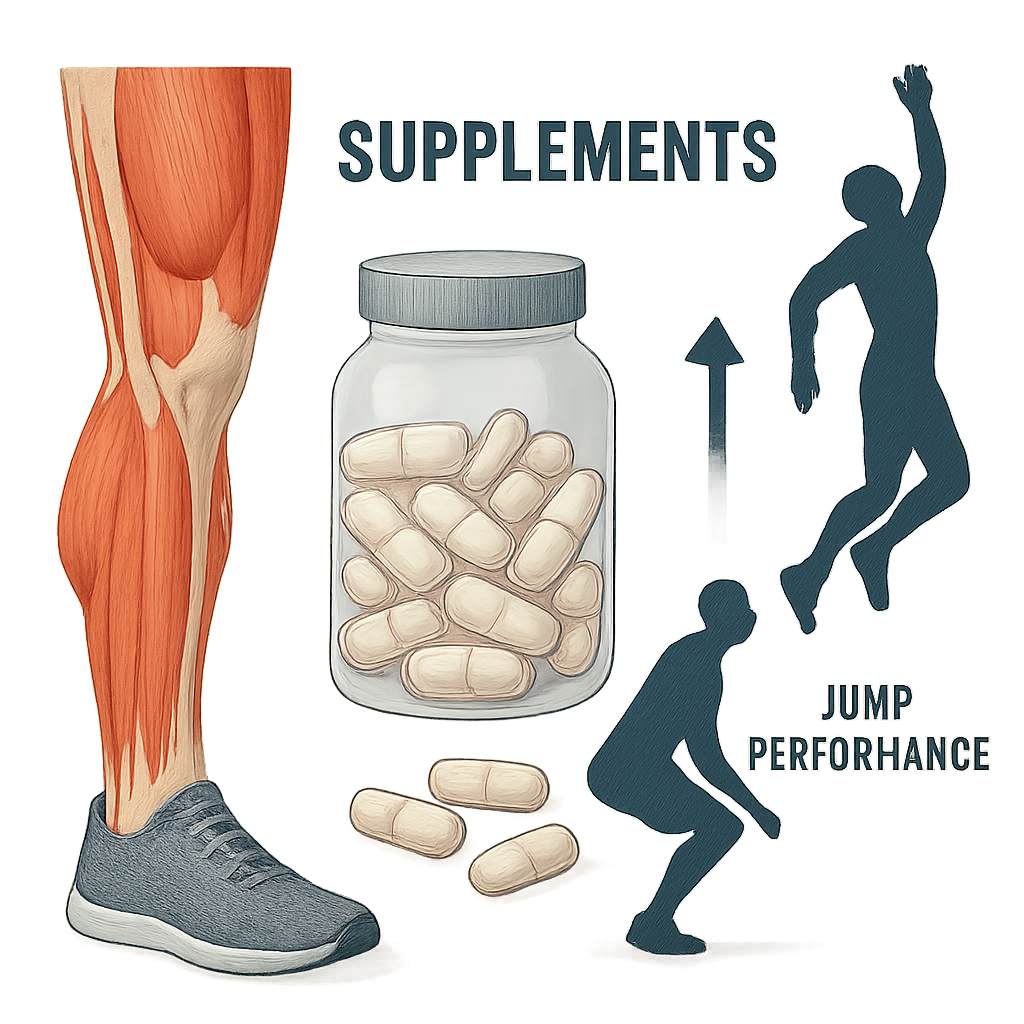

The impact of dietary supplements on lower limb strength and jump performance in physically active individuals and athletes: a systematic review and Bayesian network meta-analysis; Home-based physical exercises considering cardiac rehabilitation principles for people with cancer: a systematic review and meta-analysis; Analysis of responses to adaptive exercises for postural balance in cardiac rehabilitation in patients with ischemic heart disease and type 2 diabetes: a secondary analysis of a randomized trial; Systematic and critical review of measurement scales for assessing gastrointestinal symptoms during physical activity; Creatine supplementation in football players.


5. The impact of dietary supplements on lower limb strength and jump performance in physically active individuals and athletes: a systematic review and Bayesian network meta-analysis.
About the work.
The aim of the study was to assess the impact of dietary supplements on lower limb power and jump performance in physically active individuals and athletes. Data from 119 studies were analyzed in the systematic review.
Results.
HMB for RPP remained stable across various sensitivity analyses.
4. Home-based physical exercises considering cardiac rehabilitation principles for people with cancer: a systematic review and meta-analysis.
About the work.
The study evaluated the effectiveness, safety, and adherence to home-based cardiac rehabilitation programs for individuals with cancer. It compared the physical activity and quality of life outcomes among participants undergoing such programs.
Results.
Home-based cardiac rehabilitation programs improved cardiorespiratory fitness (SMD 0.42) and quality of life (SMD 0.63). Adherence to the program exceeded 75% in most studies, and the dropout rate was 15.2%. Reporting of adverse events was inconsistent, and no clear safety signal was identified.
3. Analysis of responders to adaptive postural balance training in cardiac rehabilitation in patients with ischemic heart disease and type 2 diabetes: a secondary analysis of a randomized trial.
About the work.
The study aimed to compare the metabolic and physical responses of patients with ischemic heart disease and type 2 diabetes to adaptive exercises for postural balance and aerobic exercises. The study involved 167 patients who underwent an 8-week intervention.
Results.
APBCRE was associated with higher metabolic (48.3% vs. 32.5%) and physical responses compared to AE.
2. Systematic and critical review of measurement scales for assessing gastrointestinal symptoms during physical activity.
About the work.
The aim of the study was to systematically analyze and critically discuss various scales used to assess gastrointestinal symptoms during physical activity. The study focused on 126 articles that evaluated gastrointestinal symptoms during exercise.
Results.
The study identified 50 different scales and 13 scale lengths. The most commonly used were 11-point Likert scales and visual analog scales (46%). Most studies (92%) did not justify the choice of scale, often adapting tools from non-sport contexts or using individually developed measures.