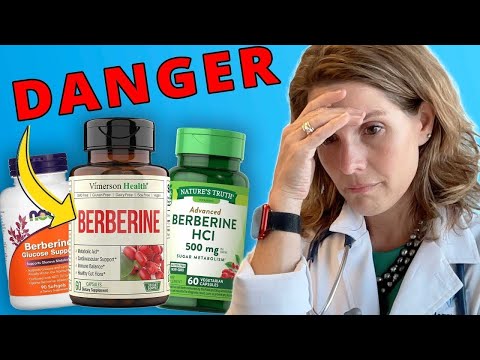

Berberine — is a natural bioactive compound derived from plants, traditionally used in folk medicine and actively researched by modern science today.
It influences metabolism, blood sugar levels, and may contribute to improving overall health.
The interest in berberine is linked to its ability to activate the AMPK enzyme, which regulates energy metabolism, making it particularly relevant for people with metabolic disorders.
Health Benefits
- regulates blood sugar levels and increases insulin sensitivity;
- lowers triglycerides and cholesterol levels;
- activates AMPK and promotes improved metabolism;
- has anti-inflammatory and antioxidant properties;
- may have a beneficial effect in metabolic syndrome and type 2 diabetes.
Daily Requirement and Sources
The optimal dose of berberine for adults is between 900 and 1500 mg per day, divided into 2–3 doses.
The best effect is achieved when taken with food.
Main natural sources:
- barberry root;
- goldenrod;
- the bark of dogwood and some other shrubs;
- dietary supplements in the form of capsules and powders.
Possible forms and their absorption
Nutrient forms are listed from best to worst:
Symptoms and Consequences of Deficiency
- worsening insulin sensitivity;
- increased blood glucose and cholesterol levels;
- slowed metabolism and tendency to gain weight;
- increased risk of cardiovascular diseases;
- exacerbation of inflammatory processes.
Possible Risks of Excess and Their Manifestations
Taking high doses of berberine (over 1500 mg per day) may lead to undesirable effects:
- gastrointestinal disorders (nausea, diarrhea, abdominal pain);
- hypoglycemia when taken simultaneously with hypoglycemic agents;
- increased liver enzymes with prolonged use;
- possible interactions with medications (especially antibiotics and hypoglycemic agents).
To avoid side effects, it is recommended to:
- start with a minimal dose — 300–500 mg;
- divide the dose into 2–3 intakes throughout the day;
- monitor blood glucose levels and liver function indicators;
- consult a doctor before starting intake, especially in the presence of chronic diseases.
Practical meaning
Berberine is usually viewed as a bioactive compound rather than an ordinary dietary nutrient. In nutrition it is most often discussed alongside insulin resistance, glucose levels, triglycerides, and broader metabolic status. That does not make it a substitute for treatment, but it explains why people who are already reducing fast carbohydrates and tracking lab markers often become interested in it.
On keto and LCHF, berberine is not necessary for everyone. If appetite, glucose, weight, and energy are already improving with food choices alone, an extra supplement may add little. It is more reasonable to consider it when there is a clear target: glucose dynamics, lipid markers, waist circumference, or carbohydrate tolerance. Baseline labs and follow-up matter more than the assumption that a supplement should help.
Limits and compatibility
Berberine may interact with medicines and supplements, especially glucose-lowering drugs, anticoagulants, blood-pressure medications, and medicines processed through liver enzymes. Extra caution is also needed during pregnancy, breastfeeding, liver disease, or significant digestive problems.
Common practical limitations include nausea, cramping, loose stools, or abdominal discomfort. It is better not to start berberine at the same time as several other new supplements, because then it becomes difficult to understand what caused the benefit or the side effect.