






Betaine — is a natural compound that plays a key role in metabolism and maintaining health.
It is involved in methylation — a biochemical process necessary for DNA synthesis, neurotransmitters, and detoxification of the body.
Betaine is particularly important for lowering homocysteine levels — an amino acid whose excess is associated with the risk of cardiovascular diseases and liver dysfunction.
Due to these properties, betaine becomes a relevant nutrient for both general health and sports nutrition.
Health Benefits
- lowers homocysteine levels and protects the cardiovascular system;
- supports liver function and promotes fat metabolism;
- participates in methylation, important for DNA and neurotransmitters;
- promotes the production of stomach acid and improves digestion;
- may enhance endurance and physical performance.
Daily Requirement and Sources
The recommended daily dose of betaine is:
- for general health — 1–2.5 g per day;
- for improving athletic performance — 2.5–5 g per day.
Sources of betaine in food:
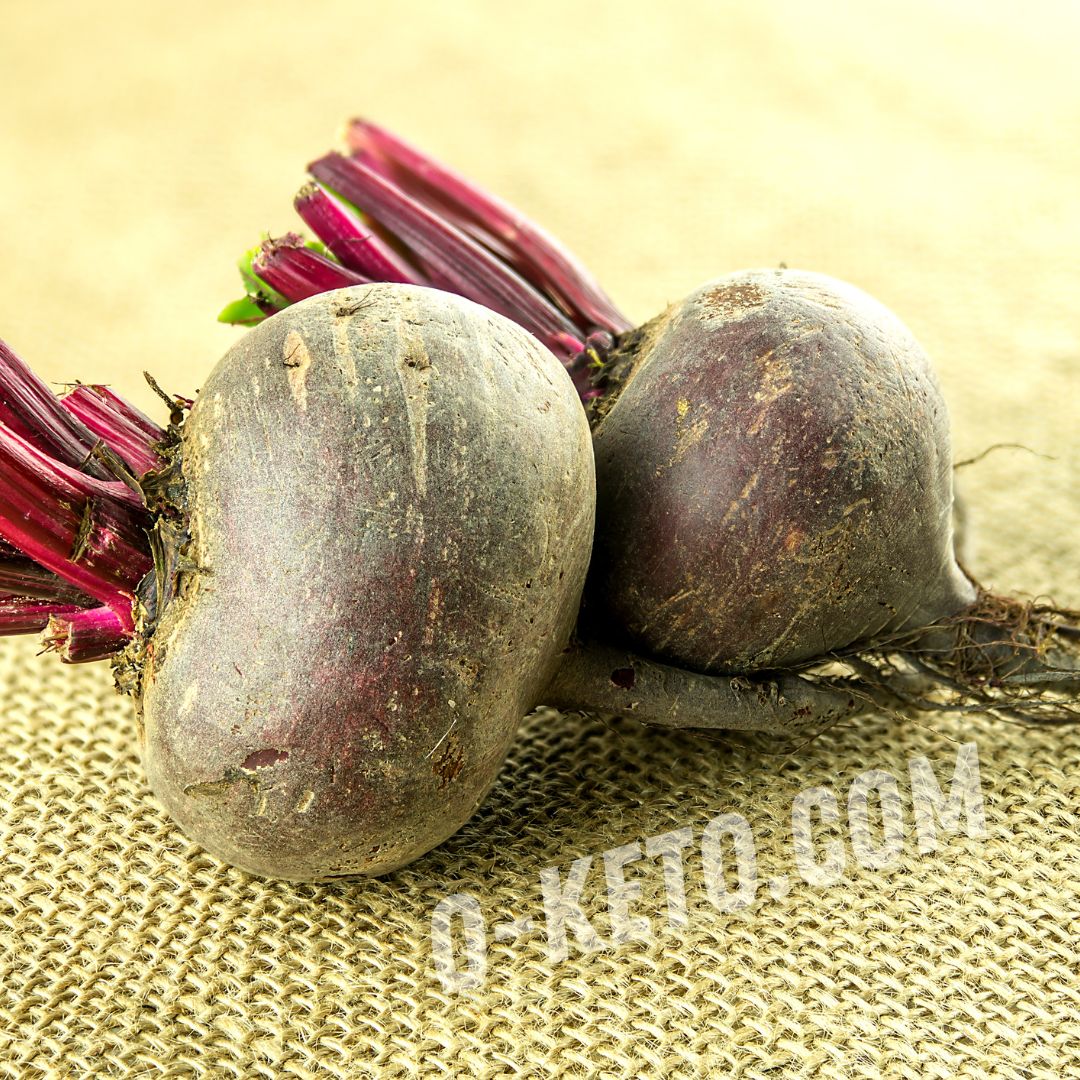
- beetroot;
- spinach;
- seafood;
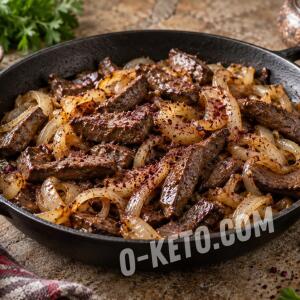
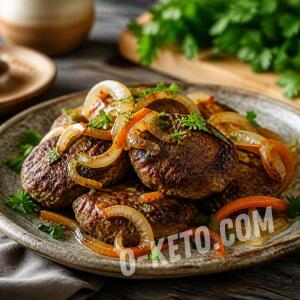
- poultry and beef;
- whole grains, including quinoa.
Betaine is also available as a dietary supplement. It is recommended to consult a doctor before using supplements.
To enhance bioavailability, it is better to take it with food.
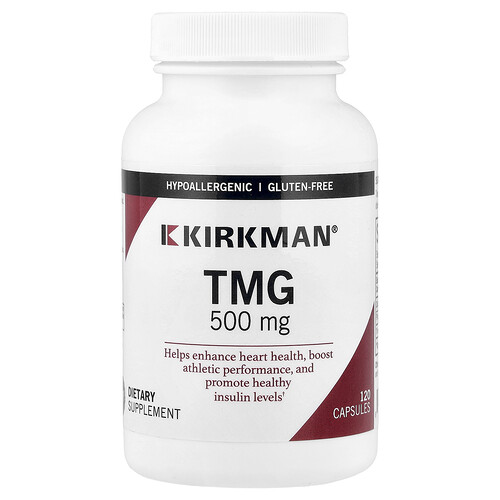
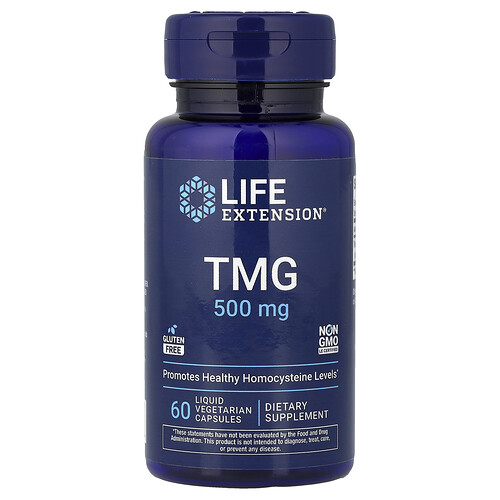
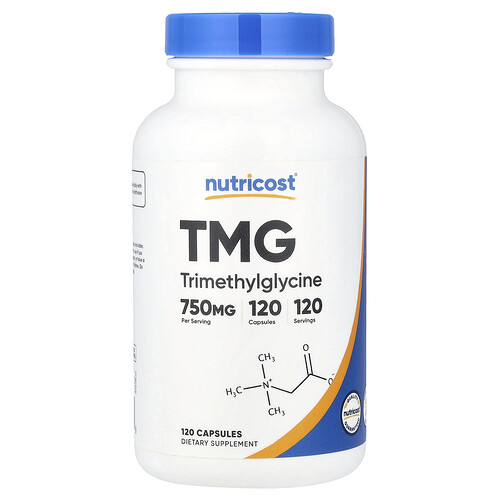
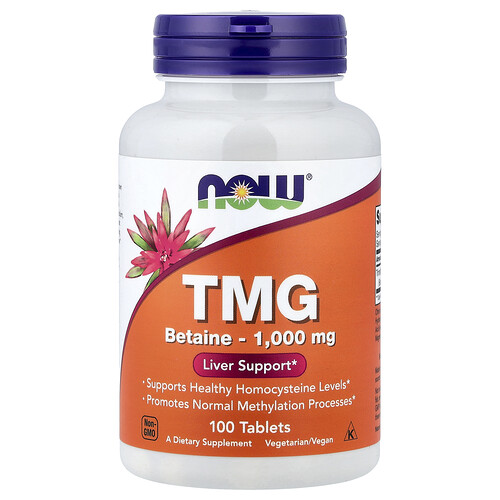
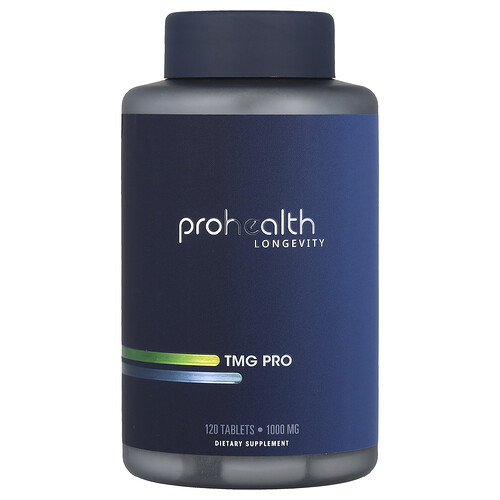
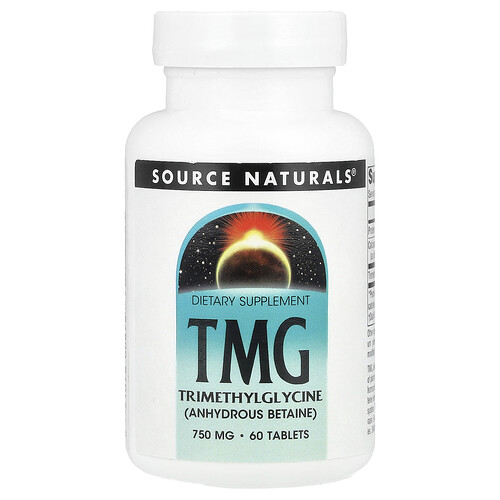
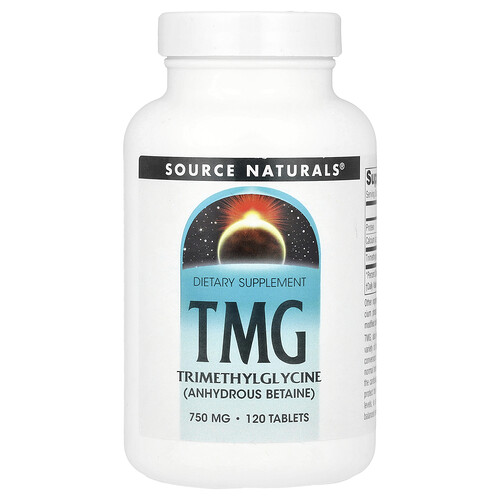
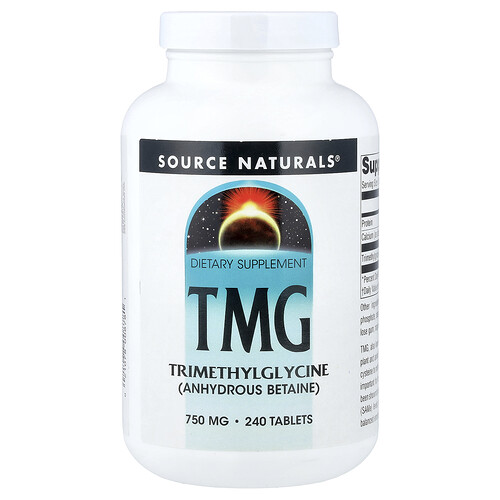
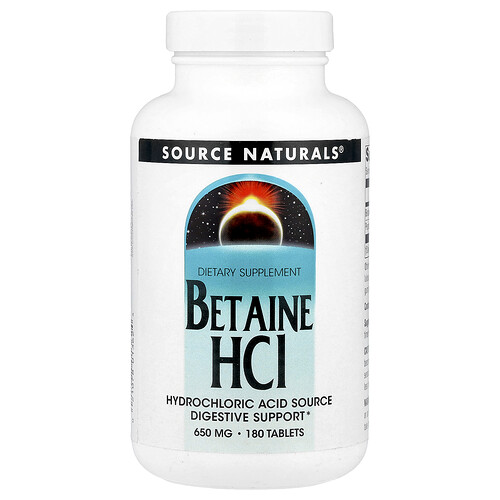
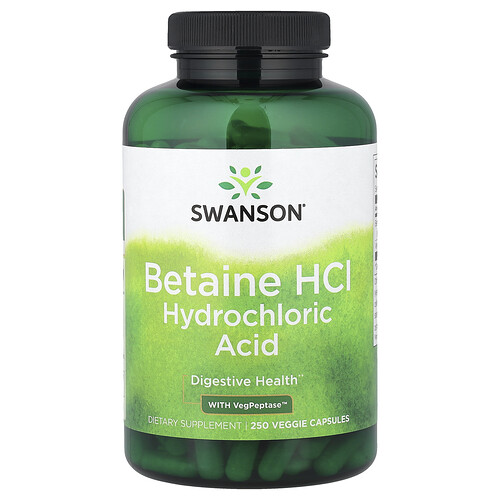
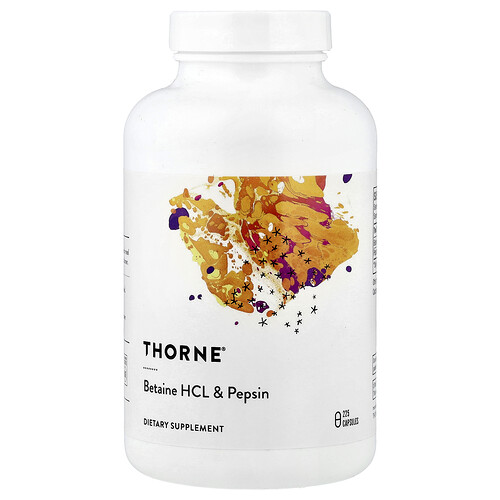
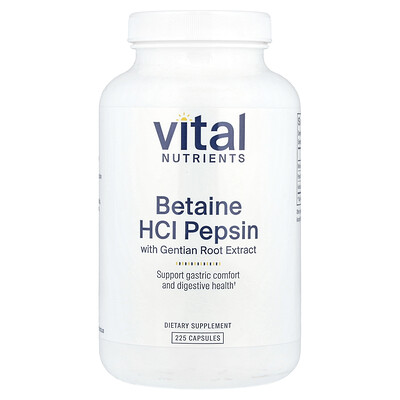
Possible forms and their absorption
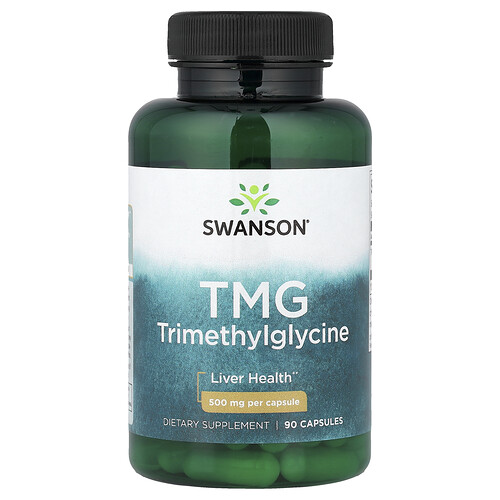
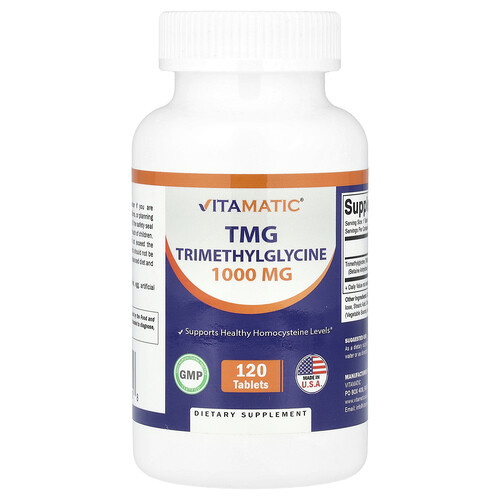
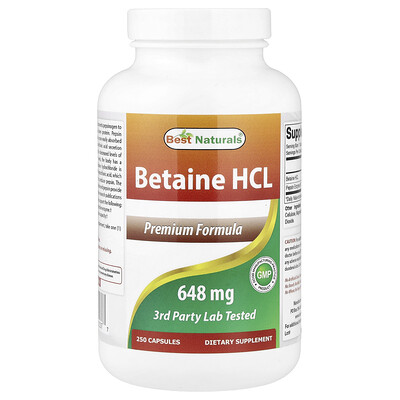
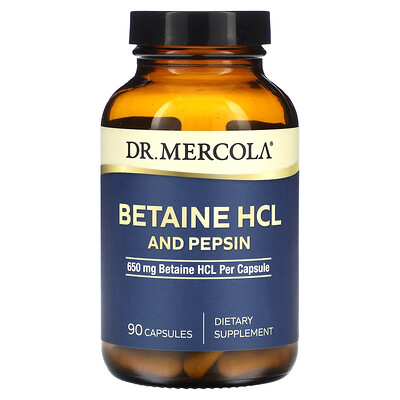
Nutrient forms are listed from best to worst:
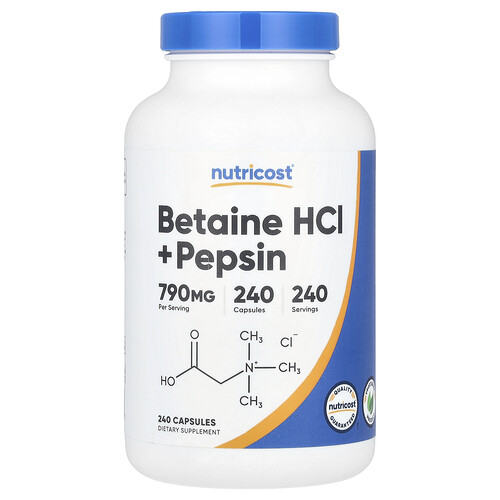
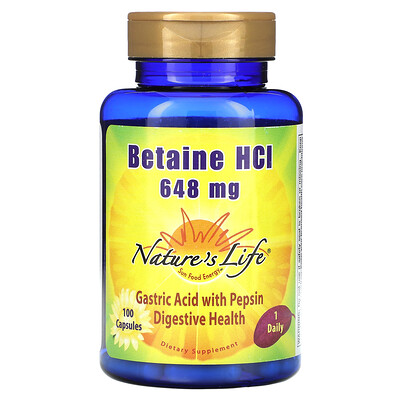
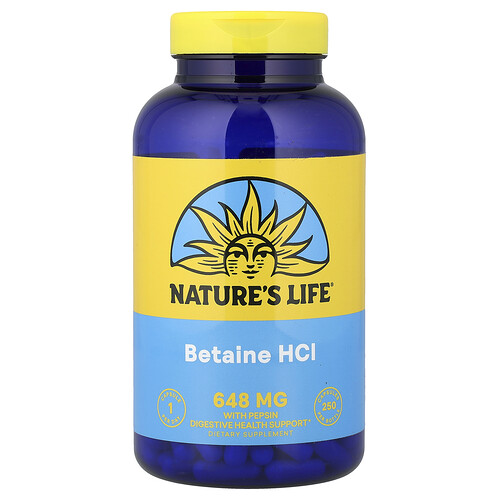
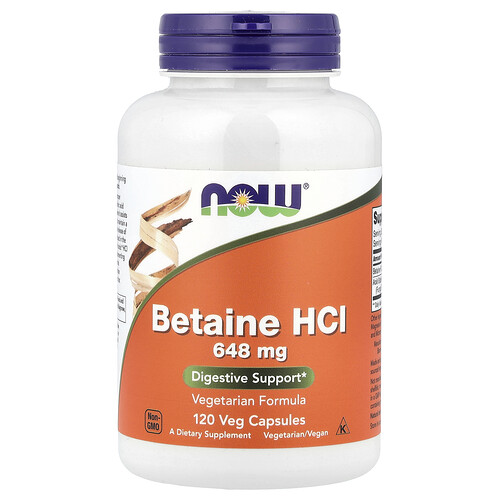
Symptoms and Consequences of Deficiency
- increased homocysteine levels and a higher risk of atherosclerosis;
- fat accumulation in the liver and worsening of its functions;
- decreased production of stomach acid and digestive disorders;
- worsened cognitive function and psycho-emotional disturbances.
Possible Risks of Excess and Their Manifestations
Consuming more than 6 g of betaine per day can cause side effects, especially when using supplements:
- nausea, diarrhea, abdominal pain;
- increased cholesterol and lipid levels in the blood;
- allergic reactions (rash, itching, swelling);
- anxiety, irritability, and insomnia.
To avoid these manifestations, it is recommended to:
- not exceed the dose of 2.5–5 g per day without necessity;
- avoid simultaneous intake with other substances affecting methylation;
- monitor gastrointestinal health and cholesterol levels during prolonged use of supplements.
Main roles
Betaine, or trimethylglycine, participates in methylation reactions and helps convert homocysteine back into methionine. This is why it is often discussed together with folate, vitamin B12, choline, and liver status. In food, betaine comes from beetroot, spinach, seafood, whole grains, and some other foods, but on a low-carbohydrate diet the sources need to be chosen more carefully.
In keto and LCHF, practical interest in betaine is usually not about “energy,” but about metabolic context: homocysteine, liver fat metabolism, tolerance of a protein-rich diet, and sufficiency of B vitamins. If these markers are not being checked, supplementation becomes guesswork.
Important distinction
Betaine as trimethylglycine and betaine HCl are not the same in practical purpose. The first is usually discussed in the context of methylation, while the second affects stomach acidity. They should not be swapped mechanically, especially with gastritis, ulcers, reflux, or use of anti-inflammatory medicines.
Caution is needed in kidney or liver disease, high cardiovascular risk, and complex medication use. If the goal is to lower homocysteine, the whole chain should be assessed: B12, folate, B6, thyroid function, kidneys, diet, and inflammatory factors.