



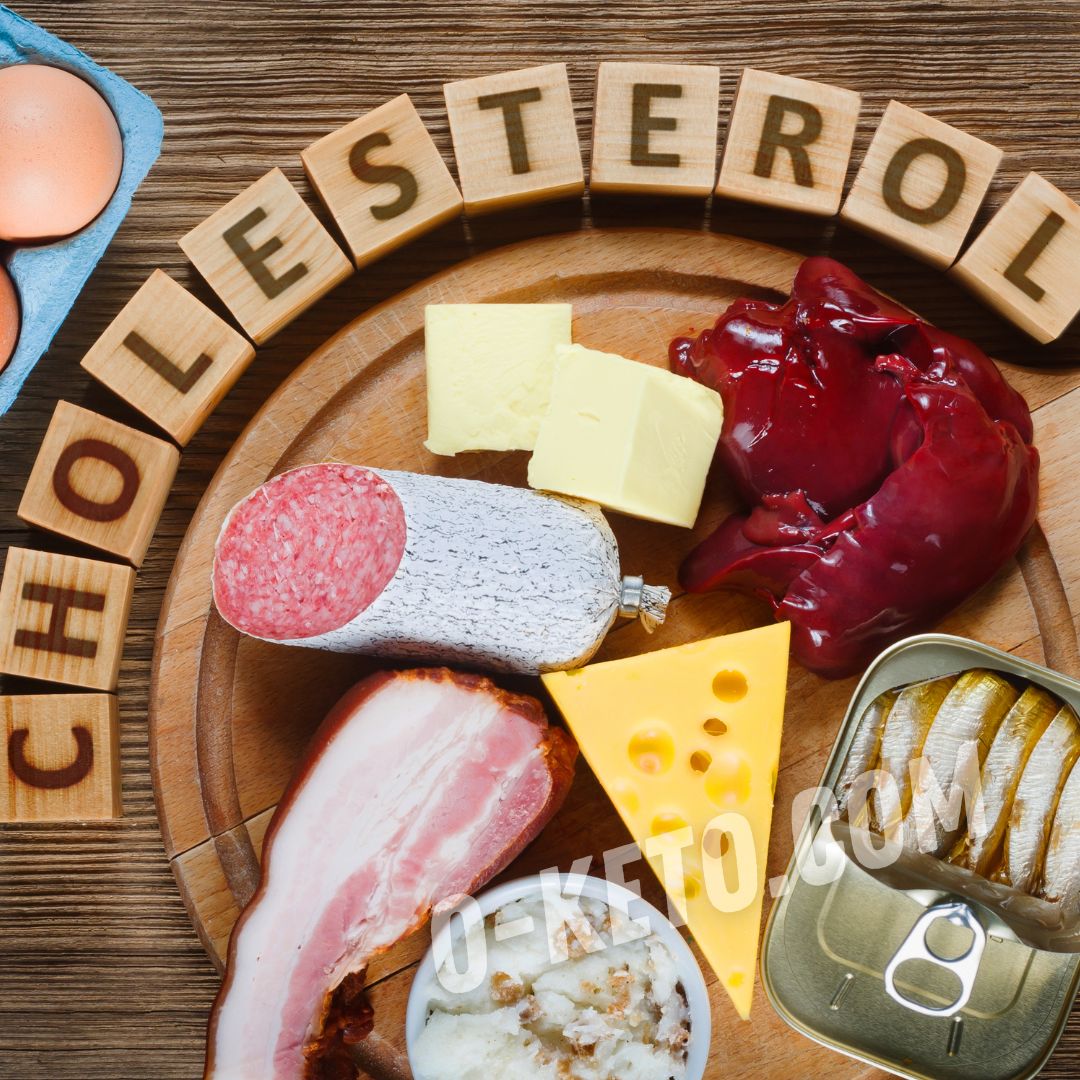

Cholesterol — is an organic compound essential for the body’s vital functions. It participates in the synthesis of cell membranes, vitamin D, hormones, and bile acids.
Despite associations with cardiovascular diseases, cholesterol plays a positive role when it is within normal limits.
The balance between its beneficial and harmful forms is important for disease prevention and maintaining overall health.
Beneficial Properties
- participates in the formation of cell membranes;
- necessary for the synthesis of steroid hormones (estrogen, testosterone, cortisol);
- contributes to the formation of vitamin D under ultraviolet light;
- is a component of bile acids that aid in the digestion of fats;
- supports the stability and permeability of nerve cell membranes.
Daily Requirement and Sources
The body is capable of synthesizing cholesterol on its own (about 80% of the total amount), while the remaining part comes from food.
The daily intake norm is:
- up to 300 mg per day — for healthy individuals;
- up to 200 mg — for those with cardiovascular risks.
Main dietary sources:
- eggs (especially yolks);
- fatty meats and offal (liver, kidneys);
- seafood;
- dairy products (cheese, cream, butter).
Symptoms and Consequences of Deficiency
- hormonal disorders (reduced libido, irregular cycles in women);
- decreased cognitive functions, impaired memory;
- disruption of vitamin D synthesis and decreased bone density;
- weakened immunity;
- emotional instability and anxiety.
Possible Risks of Excess and Their Manifestations
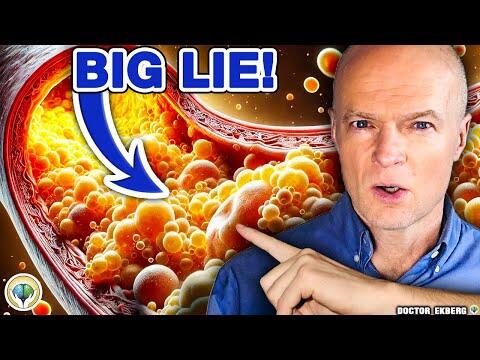
- formation of atherosclerotic plaques and narrowing of blood vessels;
- increased risk of heart attack and stroke;
- gallbladder disease;
- inflammation of the pancreas (pancreatitis);
- disruption of blood supply to organs and tissues.
Excess cholesterol is most often associated with high levels of LDL and low levels of HDL. A balanced diet, physical activity, and avoiding trans fats are important preventive measures.
Dietary cholesterol and blood markers
Cholesterol in food and cholesterol in blood are not the same thing. In some people, eggs, liver and seafood barely change lipid markers, while others see LDL and ApoB rise when saturated fat intake increases on a low-carb diet.
It is more useful to evaluate the full profile: LDL, HDL, triglycerides, non-HDL cholesterol, ApoB, blood pressure, glucose, insulin resistance, weight and family history.
Keto and LCHF
On keto, cholesterol may rise because fat intake increases, weight changes and lipid transport adapts. Sometimes this is transient, but persistently high ApoB should not be ignored.
If markers worsen, the first step is often fat quality adjustment rather than abandoning keto: less butter, cream, coconut oil and processed meat; more olive oil, fish, avocado, nuts, fiber and whole foods.