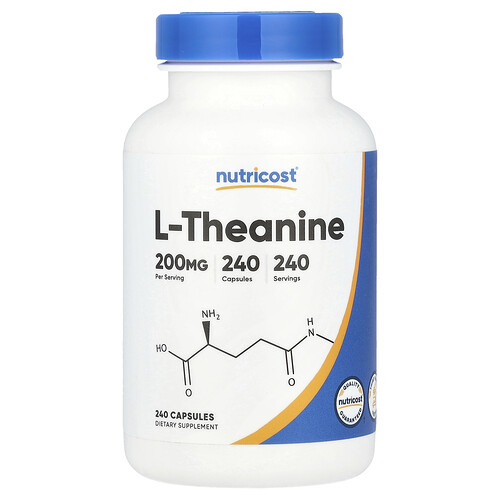
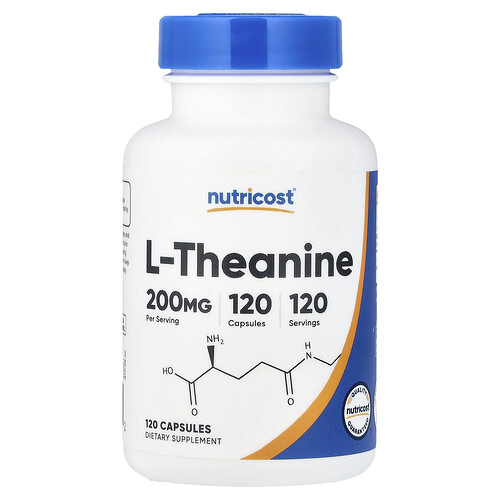
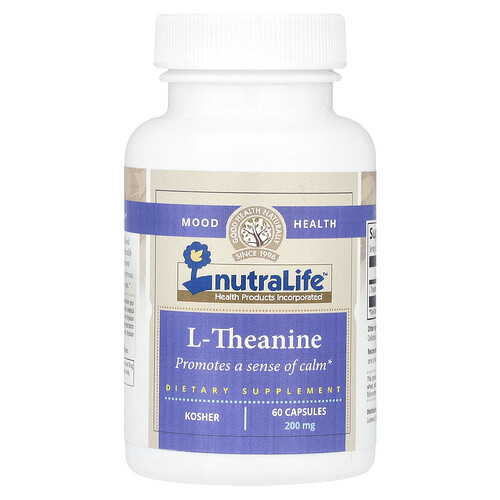
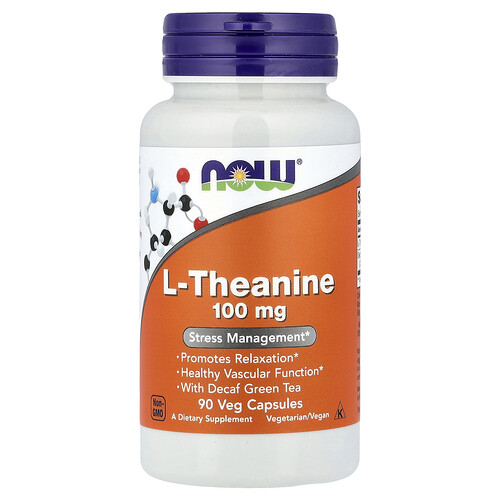
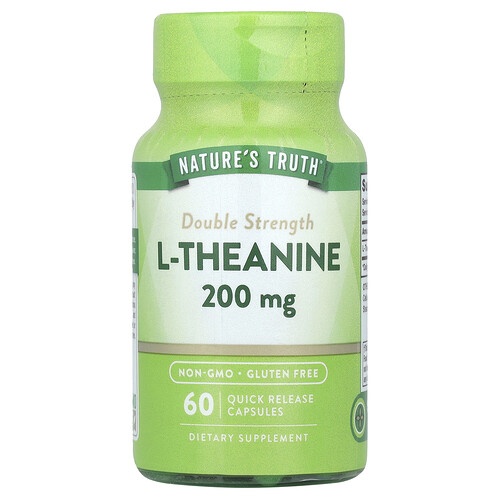
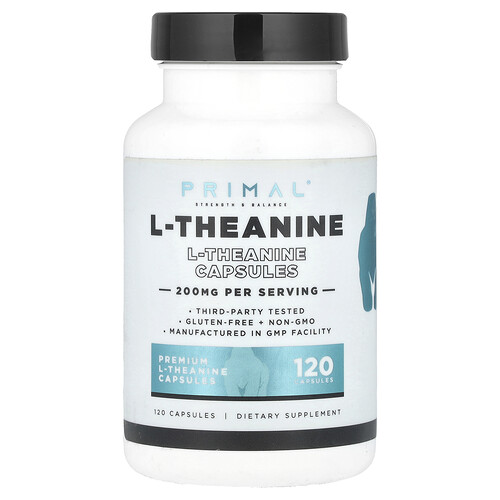
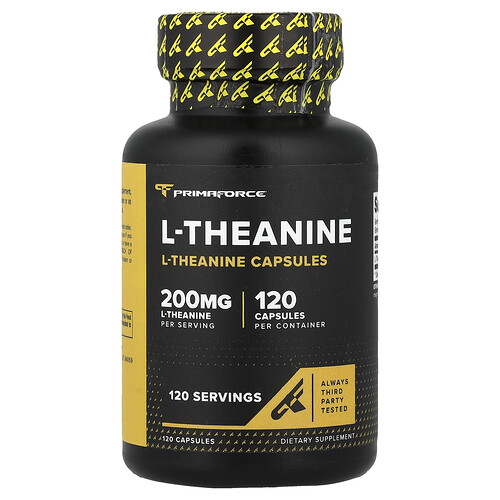
L-theanine is an amino acid from green tea associated with calm focus, stress modulation and better caffeine tolerance. In keto it is not an essential nutrient, but a possible tool for stress and concentration.
L-theanine is an amino acid predominantly found in the leaves of green tea. It is known for its mild calming effects without causing drowsiness.
L-theanine promotes relaxation, enhances concentration and cognitive functions, and reduces stress and anxiety levels.
Due to its influence on alpha brain waves and neurotransmitters such as serotonin and dopamine, L-theanine has become a popular supplement among those looking to enhance productivity and emotional wellbeing.
Health Benefits
reduces stress and anxiety;
increases concentration and attention without drowsiness;
stimulates the production of dopamine and serotonin;
improves sleep quality and promotes relaxation;
may lower blood pressure and support cardiovascular health.
Daily Requirement and Sources
L-theanine is not an essential amino acid; however, its regular intake can be beneficial during psycho-emotional stress.
The recommended dose is between 100 to 400 mg per day.
Main sources:
green and black tea – primary natural sources;
supplements in the form of capsules or powders (commonly used in dosages of 200–400 mg);
combinations with caffeine – to enhance concentration and mental clarity.
Possible forms and their absorption
Nutrient forms are listed from best to worst:
L-theanine. Biologically active form, rapidly absorbed and penetrates the brain, where it increases alpha waves, reduces anxiety, and enhances focus. It pairs well with caffeine—smooths out excitement and enhances concentration.
Show 10 products
iHerb
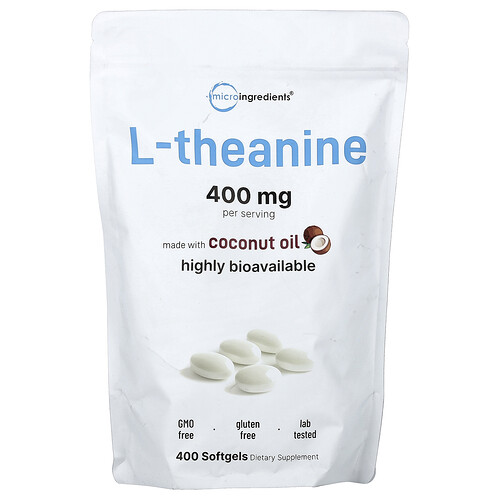
Micro Ingredients, L-Theanine, 400 Softgels (200 mg per Softgel)
≈ $30.68
Buy
iHerb
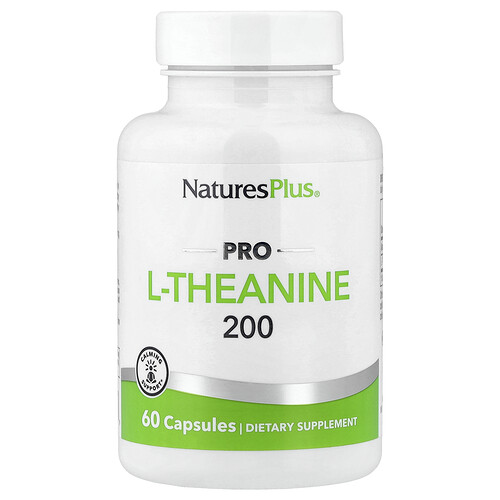
NaturesPlus, Pro L-Theanine 200, 200 mg, 60 Capsules
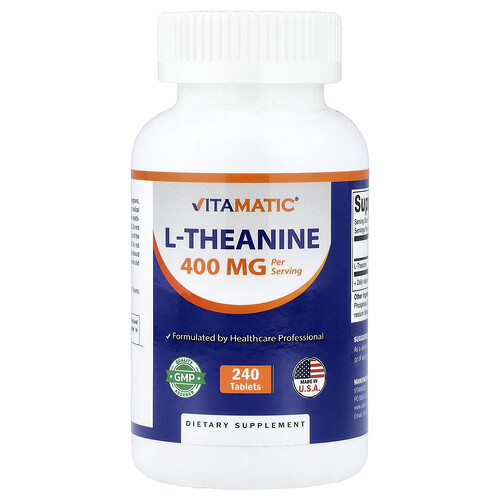
Vitamatic, L-Theanine, 240 Tablets, (200 mg per Tablet)
≈ $15.22
Buy
D-theanine / DL-theanine enantiomers. Almost unexplored, not used in supplements, and lack proven activity. They are extremely rare or completely absent in quality products.
Although a direct deficiency of L-theanine does not pose a life-threatening risk, its lack in the diet may reduce stress resilience and worsen cognitive state.
Possible Risks of Excess and Their Manifestations
drowsiness and decreased concentration;
muscle weakness and fatigue;
headaches in sensitive individuals;
d digestive disorders (heaviness, nausea);
in rare cases – confusion or emotional instability.
A daily dose of up to 400 mg is considered safe. Exceeding this amount, especially in the form of supplements, may lead to side effects.
How L-theanine works
L-theanine is linked with alpha brain-wave activity and the balance between excitatory and inhibitory neurotransmitter systems. In practice it feels less like sedation and more like calmer focus, especially when combined with caffeine.
Tea provides theanine gently together with caffeine and polyphenols. Supplements allow more precise dosing, but the effect depends on sleep, anxiety level, caffeine sensitivity and overall stress load.
Keto, coffee and caution
Many people drink more coffee during keto adaptation. L-theanine may soften caffeine jitters, but it should not be used to hide chronic sleep debt, electrolyte depletion or excessive stimulation.
Caution is reasonable with low blood pressure, sedatives, marked sleepiness and pregnancy. Significant anxiety, panic attacks or insomnia should be evaluated rather than managed only with nootropics.
PubMed studies(10)
✓The effect of green tea amino acid L-theanine formulation on markers of stress and quality of sleep (THESleep project) - a study protocol for a pilot randomised control trial.2026 04 15 · Contemporary clinical trials
✓Multisystem pathology in chronic variable stress: gut-liver-brain axis disruption and the therapeutic promise of magnesium-L-theanine.2026 05 21 · Therapeutic advances in endocrinology and metabolism
✓Matcha as a Source of Bioactive Compounds: A Review of Health-Promoting Properties and Potential Applications.2026 05 19 · Nutrients
✓Low-dose epigallocatechin gallate combined with L-theanine effectively alleviate obesity and metabolic dysfunction-associated steatotic liver disease by remodeling gut homeostasis and avoiding its hepatotoxicity.2026 03 14 · Phytomedicine : international journal of phytotherapy and phytopharmacology
✓Protective effects of L-theanine against bisphenol A-induced oxidative stress and gut microbiota disruption in Wistar rats.2026 05 16 · Molecular biology reports
✓Effects of L-theanine-caffeine combination on selective attention among adolescents with attention-deficit hyperactivity disorder: a double-blind, placebo-controlled, crossover study.2026 05 07 · Nutritional neuroscience
✓L-Theanine Activates the mTOR Signaling Pathway through TAS1R1-FRMD6 To Promote Milk Synthesis in Bovine Mammary Epithelial Cells.2026 05 05 · The Journal of nutritional biochemistry
✓CsZAT6/12 response auxin signaling to differentially regulate theanine-dominated nitrogen flow in tea roots (Camellia sinensis).2026 05 03 · Journal of advanced research
✓Citrate-enabled process intensification reinforces energy and redox metabolism for sustainable bioproduction using Corynebacterium glutamicum.2026 03 21 · Bioresource technology
✓Comparative evaluation of l-theanine synthetases coupled with PPK2 based ATP regeneration under buffer-free and Mn optimized conditions.2026 02 27 · Enzyme and microbial technology
Published: 24.05.2024
Updated: 01.06.2026
Any remaining questions? Ask chatGPT.:
If you have any questions about the nutrient "L-theanine", you can ask them to AI. Please note, a low-cost OpenAI model is used. It may answer questions about disease treatment with errors!
L-theanine is used as gentle evening support when sleep disturbances are accompanied by inner tension and difficulty falling asleep.
Treatment protocols are provided for informational purposes only. Do not use them on your own if you do not clearly understand what you are doing, are not a nutrition professional, or have not consulted a physician.
List of videos from YouTube about nutrients "L-theanine":