







Leucine — an essential amino acid from the BCAA group, playing a key role in protein synthesis, muscle recovery, and regulation of energy metabolism.
It activates the mTOR pathway, which promotes muscle tissue growth, helps maintain stable blood sugar levels, and increases insulin sensitivity.
Leucine is important for physical activity, especially on a keto diet or during intense workouts. However, both deficiency and excess of leucine can lead to physiological disorders, so it is important to maintain a balance in its consumption.
Health Benefits
- stimulates protein synthesis and promotes muscle mass growth;
- activates the mTOR pathway, regulating tissue recovery;
- helps regulate blood sugar levels and enhances insulin sensitivity;
- contributes to a feeling of fullness and appetite control;
- plays a role in recovery after physical exertion and reduces fatigue.
Daily Requirement and Sources
The recommended intake of leucine:
- for most adults — 40–45 mg per kg of body weight (approximately 2–3 g per day);
- for athletes and individuals with high physical activity — up to 4–5 g per day;
- the excess consumption threshold — from 5 g and above (especially from supplements).
Sources of leucine:
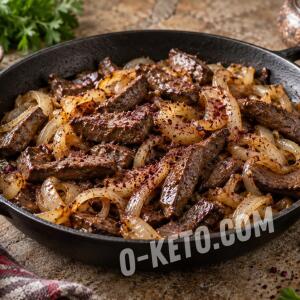
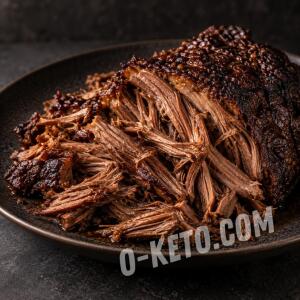
- meat (beef, chicken, turkey);
- fish and seafood;
- eggs;
- dairy products (cheese, cottage cheese);
- legumes, nuts, and soy products;
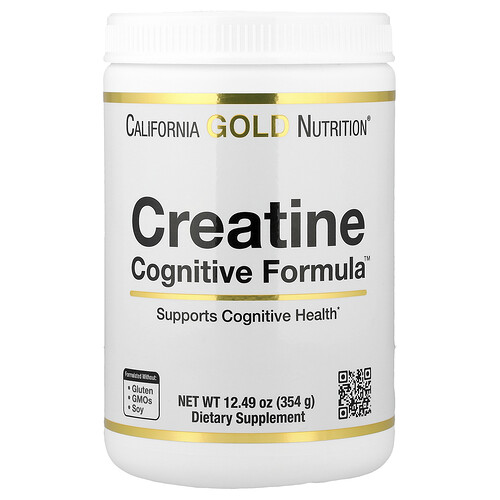
- BCAAs and protein powders.
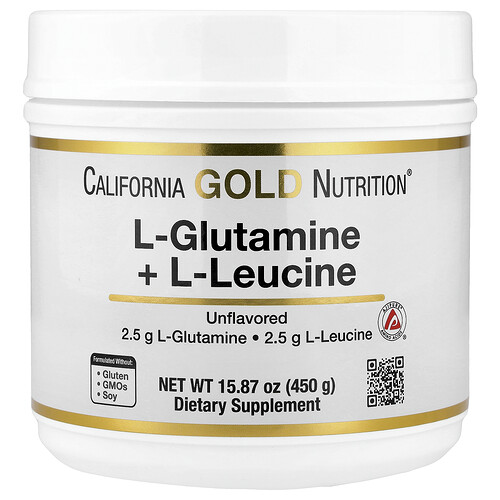
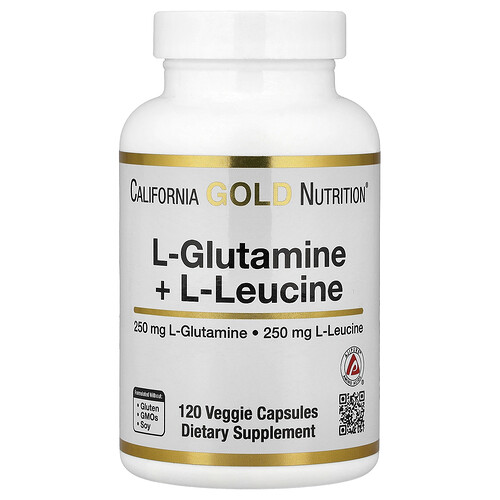
Possible forms and their absorption
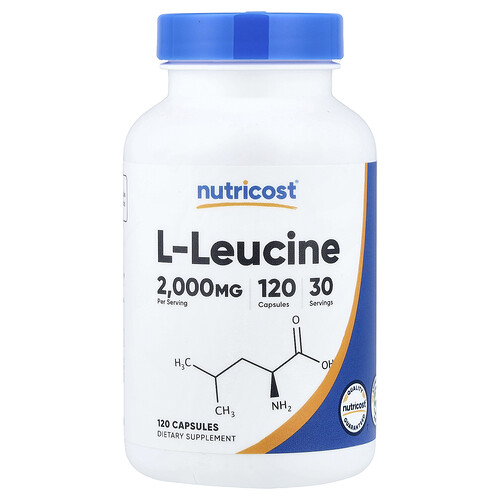
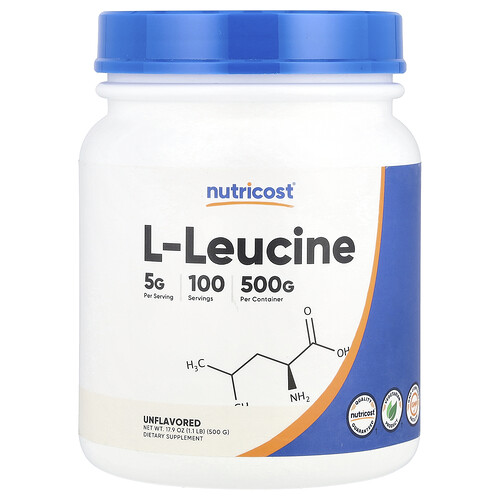
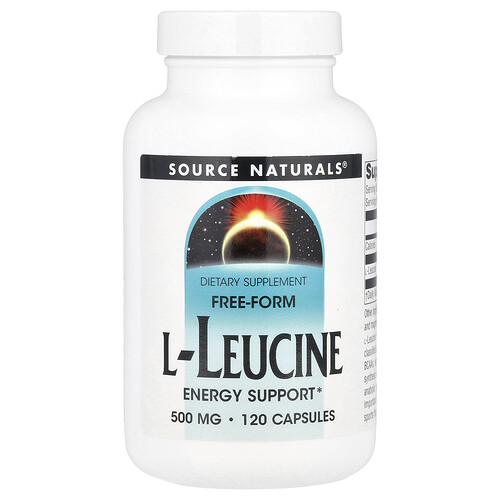
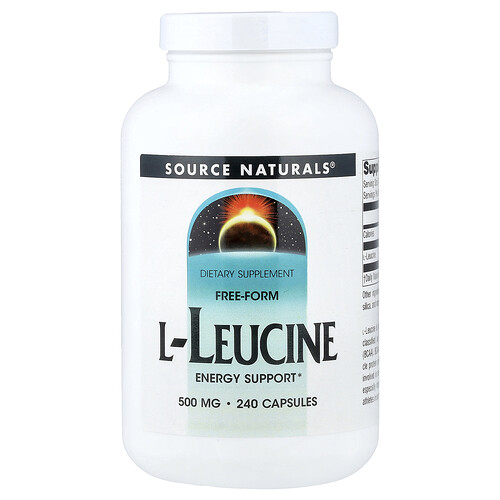
Nutrient forms are listed from best to worst:



Symptoms and Consequences of Deficiency
- decreased protein synthesis and loss of muscle mass;
- slowed recovery after exercise;
- disorders of carbohydrate metabolism and insulin resistance;
- weakened immune system;
- psycho-emotional instability, fatigue, depressive states.
Deficiency is especially likely with strict diets, vegetarian nutrition, or high demands in athletes.
Possible Risks of Excess and Their Manifestations
- imbalance of other amino acids (for example, decreased absorption of tryptophan);
- strain on the liver and kidneys, especially with chronic diseases;
- hyperinsulinemia and fluctuations in blood sugar;
- headaches, weakness, irritability;
- nausea, digestive disorders, fatigue.
Common causes of excess include: excessive consumption of BCAA supplements, protein shakes, and an unbalanced diet.
Why leucine is often highlighted
Leucine is known for its role in triggering muscle protein synthesis. This is why it is often discussed in sports nutrition, muscle preservation during weight loss, and nutrition for older adults. But leucine does not work in isolation: actual tissue building requires all essential amino acids, energy, and regular resistance stimulus.
In keto and LCHF, leucine usually comes from meat, fish, eggs, and dairy products. This is useful because these foods also provide other amino acids and satiety. If a person restricts protein too strongly out of fear of “leaving ketosis,” recovery may worsen and muscle mass may be lost, especially during a calorie deficit.
Practical guide
Leucine or BCAA supplements do not replace complete protein. They may fit certain sports protocols, but for most people it is more reliable to distribute protein-containing meals across the day. This is especially important during training, weight loss, and older age, when muscle tissue may respond less strongly to a weak protein signal.
In kidney or liver disease, amino acid metabolism disorders, and complex medication use, individual amino acids should not be self-prescribed. If the goal is to preserve muscle, supplements should be assessed together with resistance training, sleep, calories, and total protein.