Sleep hormone, regulates biorhythms, restores immunity. Deficiency - insomnia, fatigue, disruption of circadian rhythms. Used for sleep disorders, shifting time zones, immune system disorders.
Melatonin is a hormone that regulates the daily rhythms of sleep and wakefulness. It is produced by the pineal gland in response to darkness and peaks at night, facilitating sleep onset and body recovery.
However, melatonin is not just the “sleep hormone.” It also has antioxidant properties, affects immunity, mood, and metabolism.
In the context of modern lifestyles that disrupt biorhythms, interest in melatonin is growing, especially as a means to correct sleep disturbances. It is important to consider the potential risks associated with a deficiency or excessive consumption of this hormone.
Beneficial Properties
regulates the sleep–wake cycle and improves sleep quality;
has antioxidant activity and protects cells from oxidative stress;
supports the immune system, enhancing resistance to infections;
affects mood and reduces cortisol levels;
involved in regulating metabolism and body temperature.
Daily Requirement and Sources
The recommended dose of melatonin depends on age and purpose of use:
for adults – from 0.5 to 5 mg taken 30–60 minutes before sleep;
for sleep disturbances or time zone changes – a higher dose may be recommended by a doctor;
it is undesirable to exceed 10 mg per day without medical supervision.
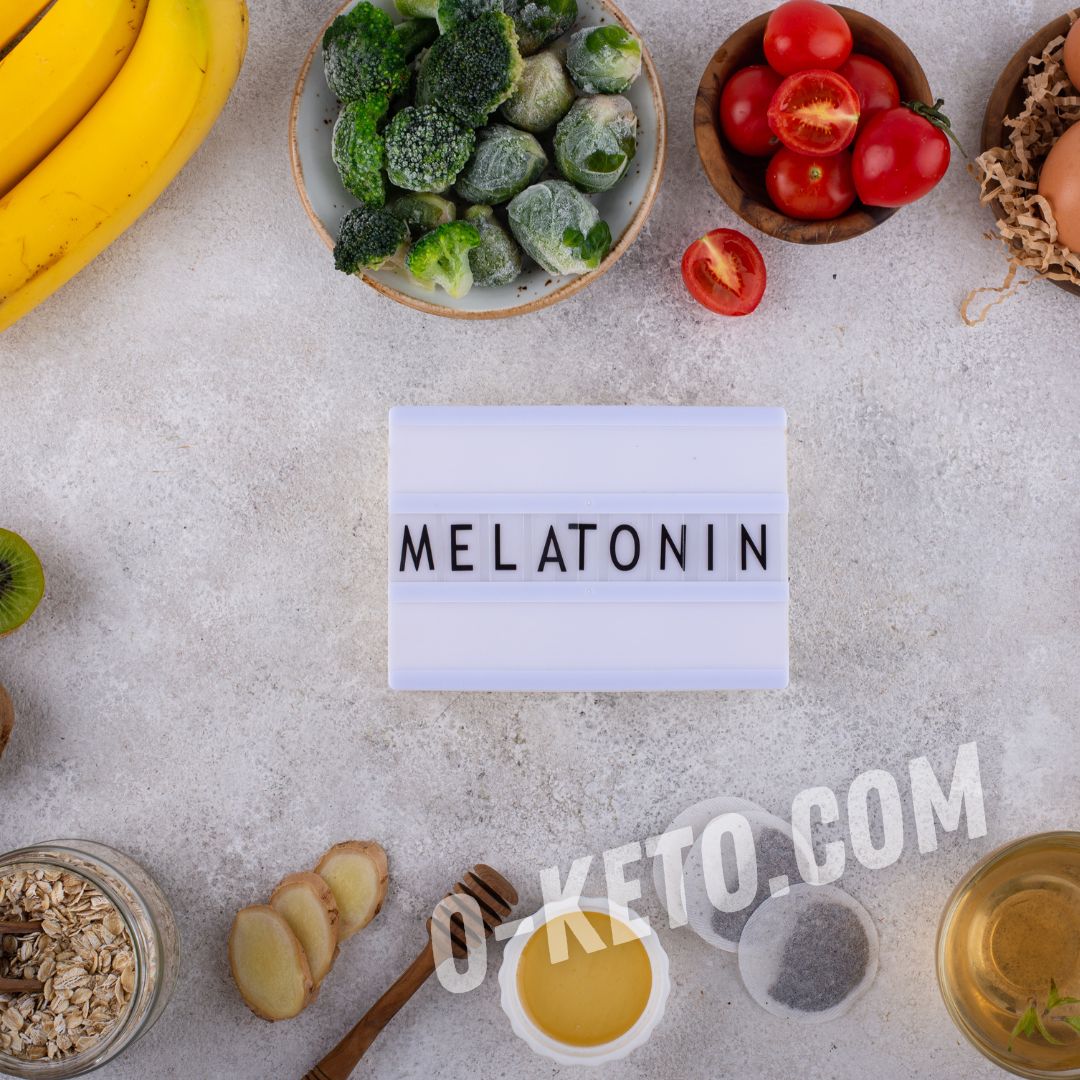
Foods that contain melatonin or promote its synthesis:
cherries (especially Montmorency variety);
buckwheat and oatmeal;
walnuts and almonds;
dairy products (milk, yogurt);
eggs, fatty fish (sources of tryptophan, a precursor of melatonin).
Possible forms and their absorption
Nutrient forms are listed from best to worst:
Liposomal melatonin. Form with high bioavailability and rapid action due to the protection of molecules in a lipid shell. It penetrates the blood-brain barrier more quickly and is effective for insomnia and jet lag.
Sublingual melatonin (in drops or tablets). Absorbed through the oral mucosa, bypassing the gastrointestinal tract and liver, acts faster than traditional tablets. Good for quick falling asleep and short-term sleep support.
Regular melatonin (oral tablets). The classic form is suitable for smooth falling asleep but has variable bioavailability (10–30%). The effect depends on dosage, timing of intake, and metabolism.
Melatonin with extended release. Maintains stable melatonin levels throughout the night, beneficial for early awakening or circadian rhythm disturbances. Absorbs more slowly, not suitable if a quick effect is needed.
Topical melatonin (creams, sprays). Practically unstudied in clinical settings, with low bioavailability. Rarely used and with unpredictable effects.
hormonal imbalance, menstrual cycle disruption, and decreased testosterone;
enhanced interaction with medications (e.g., antihypertensives or sedatives).
For the safe use of melatonin, it is important to start with minimal doses and use it as short-term support, rather than as a permanent solution to sleep problems.
In the long term, it is preferable to correct lifestyle and maintain sleep hygiene.
PubMed studies(10)
✓Host metabolism shapes the intestinal microbiota: a top-down paradigm of environmental selection pressure.2026 05 07 · Gut microbes
✓Exploring the role of serotonin as a plant stress modulator.2026 02 09 · Plant signaling & behavior
✓Melatonin-enabled omics: understanding plant responses to single and combined abiotic stresses for climate-smart agriculture.2026 01 27 · GM crops & food
✓promotes melatonin release from human intestinal organoids via 5'ectonucleotidase activity.2026 05 18 · Gut microbes
✓Melatonin-iron oxide nanoparticles synergy enhances salt tolerance in L.2026 04 16 · Plant signaling & behavior
✓Engineering a heme-dependent tryptophan hydroxylase pathway in for enhanced melatonin production.2026 04 11 · Synthetic and systems biotechnology
✓Synergistic application of melatonin and methyl jasmonate mitigates drought-induced oxidative and photosynthetic impairment in .2026 02 11 · Plant signaling & behavior
✓Impact of Mild Traumatic Brain Injury (mTBI) on CYP2D6 Activity and the Restorative Effects of Melatonin and Vitamin C Supplementation.2026 02 08 · Iranian journal of pharmaceutical research : IJPR
✓Statement of retraction: Effect of myo-inositol and melatonin versus myo-inositol, in a randomized controlled trial, for improving in vitro fertilization of patients with polycystic ovarian syndrome.2026 02 02 · Gynecological endocrinology : the official journal of the International Society of Gynecological Endocrinology
✓Melatonin modulates granulosa cell angiogenesis differently in female- and male-factor infertility.2025 12 23 · Gynecological endocrinology : the official journal of the International Society of Gynecological Endocrinology
If you have any questions about the nutrient "Melatonin", you can ask them to AI. Please note, a low-cost OpenAI model is used. It may answer questions about disease treatment with errors!
Melatonin is usually used for a gentler recovery of sleep onset and circadian rhythms, starting with a minimal dose and gradually increasing it as needed.
Considered one of the key evening components of the combined regimen when extra support for mucosal recovery and calmer nighttime reflux regulation is needed.
They are included in preventive schemes for Covid-19 when they want to support sleep and circadian rhythms against the backdrop of infection risk.
Treatment protocols are provided for informational purposes only. Do not use them on your own if you do not clearly understand what you are doing, are not a nutrition professional, or have not consulted a physician.
List of videos from YouTube about nutrients "Melatonin":