
Dietary fibers play a critically important role in maintaining health and well-being, especially in the context of a keto diet, where the focus is on fat consumption and moderate amounts of protein.
Dietary fibers are not digested in the upper parts of the gastrointestinal tract, reaching the large intestine almost unchanged. There, fibers serve as a substrate for the microflora, stimulating its growth and activity.
These indigestible components of plant food have numerous beneficial effects on the digestive system, including improving peristalsis, maintaining gut microflora health, and assisting in weight control.
Fibers are also beneficial for the skin. They help remove toxins from the body, which can contribute to improved skin condition and reduced breakouts.
They slow down the digestion of food, allowing the body to better absorb vitamins and minerals.
Research shows that high fiber intake is associated with lower cholesterol levels and improved cardiovascular health.
The Impact of Fiber on the Digestive System
Dietary fibers help maintain the normal functioning of the digestive system and prevent common issues such as constipation.
They also help manage appetite and blood sugar levels, which is critically important for maintaining ketosis.
Fibers occupy a unique place, as they are not considered pure carbohydrates and do not affect the overall ketone level in the blood. For this reason, the keto diet encourages the consumption of high-quality fiber sources, such as leafy green vegetables, nuts, and seeds.
Soluble fibers, such as pectin and beta-glucans, absorb water, forming a gel that slows down the digestive process. This helps control blood glucose levels and lowers cholesterol.
Insoluble fibers, such as cellulose, contribute to increasing stool volume and stimulate intestinal peristalsis, thus helping to prevent constipation.
A lack of dietary fibers often leads to constipation and can increase the risk of developing diverticulosis, hemorrhoids, and even colorectal cancer.
Daily Fiber Intake and Sources on a Keto Diet
According to recommendations, the daily intake of dietary fiber for adults is about 25-30 grams.
Although the keto diet limits the intake of certain carbohydrate sources, there are many keto-friendly foods rich in fiber.
On a ketogenic diet, it is important to choose foods that are high in fiber but low in carbohydrates. Sources of dietary fiber on a keto diet may include:
- Vegetables: broccoli, spinach, avocado, cauliflower;
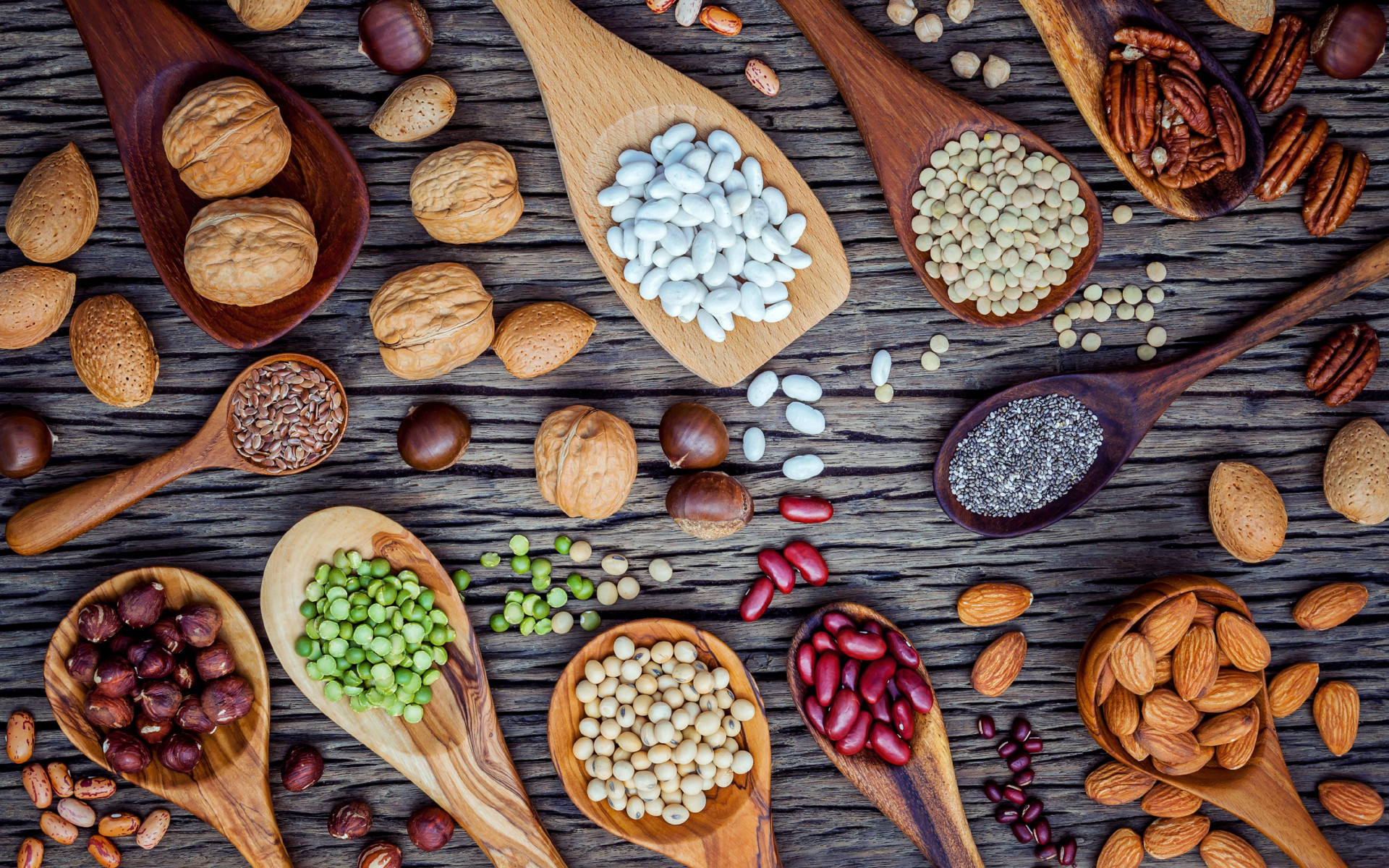
- Seeds and nuts: almonds, chia, flaxseed;
- Berries: raspberries, blackberries (in moderate amounts).
By choosing these foods, one can meet their fiber needs while keeping carbohydrate levels low, which is crucial for maintaining the effectiveness of the keto diet.
Possible forms and their absorption
Nutrient forms are listed from best to worst:












Fiber Deficiency: Symptoms and Consequences
One of the most obvious symptoms of deficiency is digestive disturbances, manifesting as constipation, as fibers help normalize bowel function.
Moreover, a low-fiber diet is associated with an increased risk of developing conditions such as cardiovascular diseases, type 2 diabetes, and obesity.
To maintain health and prevent the onset of the mentioned problems, it is recommended to consume a sufficient amount of dietary fibers.
Adults need to get about 25-30 grams of fiber per day.
Excess Fiber: Potential Risks and Recommendations
While fibers are essential for the normal functioning of the digestive system, excessive consumption may cause stomach disorders, bloating, gas, and even constipation or diarrhea.
This is because excess fiber speeds up the passage of food through the intestines, not allowing the body enough time to absorb nutrients.
Additionally, high fiber intake may lead to mineral deficiencies, as fibers bind to certain minerals, hindering their absorption.
Myths and Misconceptions about Fiber
All fibers are the same and have the same benefits? There are two types of fibers: soluble and insoluble, each playing its unique role in the body.
Fibers increase the caloric content of the diet? In fact, fibers are difficult to digest, and they do not add calories; on the contrary, they may help control weight.
Fibers do not affect blood sugar levels? Soluble fibers help slow down sugar absorption, which can be beneficial for blood glucose control.
You shouldn’t eat a lot of fiber if you’re watching your weight? On the contrary, fibers help maintain a feeling of fullness, which can support weight control.
Fibers can cause constipation? In reality, a lack of fibers more often leads to constipation, while an adequate amount helps maintain regular bowel movements.
Interesting Facts about Fiber
Historically, fibers have been known since ancient times. The first mentions of dietary fibers can be found in the works of ancient Greek and Roman authors who described their impact on health.
There are different types of fibers. These include cellulose, hemicellulose, pectin, and lignin, each having unique properties and functions in the body.
Fibers can improve blood sugar levels. They slow down the process of carbohydrate digestion, helping to prevent sharp spikes in blood sugar levels after meals.
Some fibers have probiotic properties. For example, inulin and oligosaccharides can serve as prebiotics, promoting the growth of beneficial bacteria in the gut.
Fibers are found not only in plants. Some fibers are present in seafood, such as chitin in the shells of shrimp and crabs, which may also have beneficial properties.