


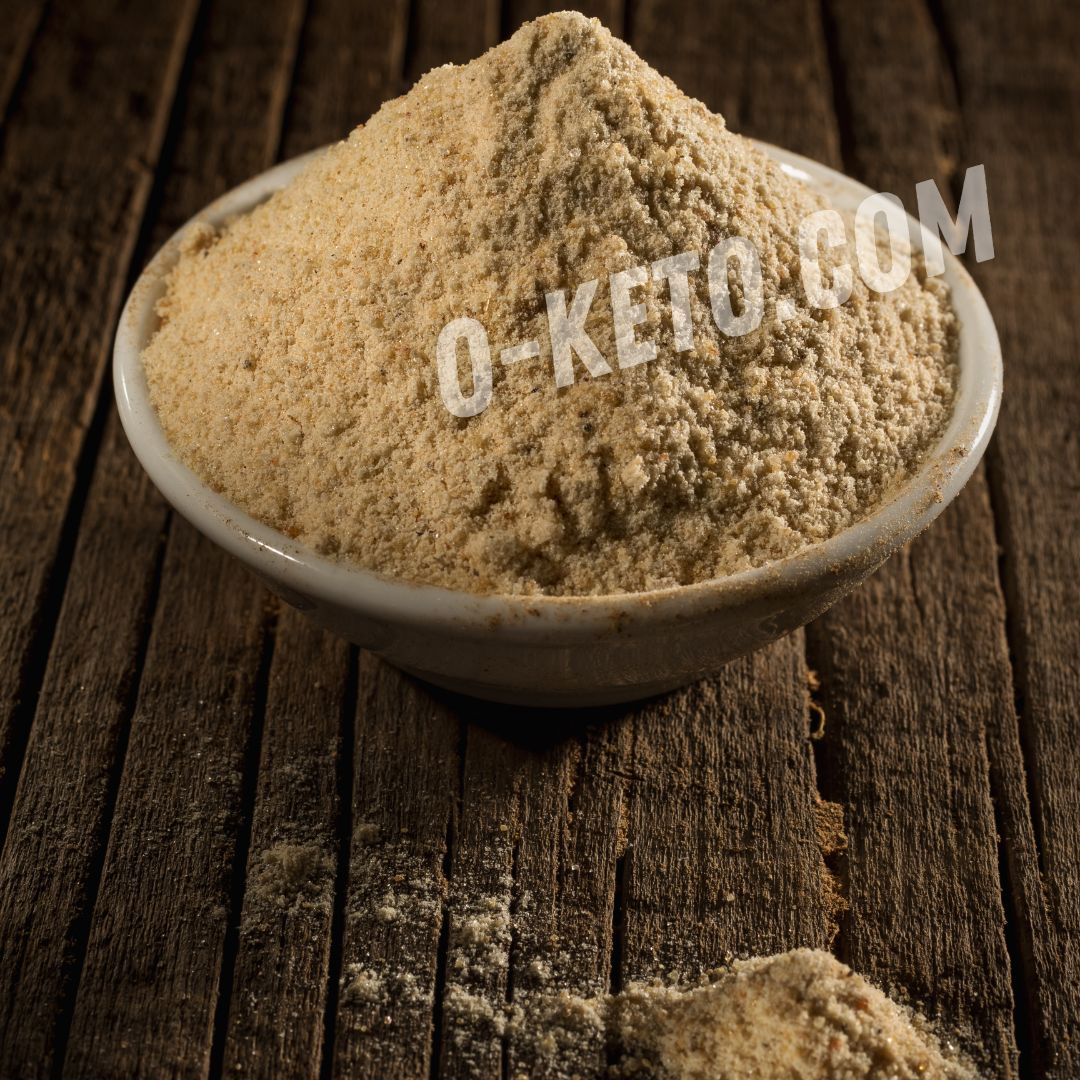

Asafoetida, or hing, is a spice made from the dried resin of Ferula plants. In its pure form it smells sharp, sulfurous, almost medicinal, so beginners are often surprised by it. But when heated in fat, the aroma changes: it becomes softer and reminds many people of onion, garlic, and toasted spices. That is why asafoetida is used as a strong aromatic accent, not as a seasoning added by the spoonful.
Hing is especially common in Indian cooking. It is added to dal, vegetable dishes, curries, marinades, pickles, legume dishes, and spiced oil tempering. For people who do not use onion and garlic, asafoetida can create a similar background, although the flavor will not be exactly the same. In keto cooking, it is useful as a way to make vegetables, eggs, meat, or sauces more expressive without sugar.
What it is made from
The raw material comes from the roots and stems of umbellifer plants. The resin is dried and then sold in pieces, granules, or powder. Powder is the easiest form for home cooking, but it is often mixed with rice flour, wheat flour, gum, or starch so that the spice does not clump and is easier to dose. This makes the ingredient list especially important.
Pure resin is much stronger in smell and requires micro-doses. Powdered asafoetida is milder and more convenient, but its carbohydrate content depends on the carrier. If the blend contains a lot of flour or starch, this is usually not a problem when using a pinch for a whole pan, but strict keto eaters may still want to pay attention to it.
Nutritional value
Asafoetida is used in very small amounts: from a pinch to a quarter teaspoon per dish. Because of that, calories and carbohydrates usually have almost no effect on the final plate. Per 100 g of powder, values may look noticeable, especially if a starchy carrier is present, but nobody eats this spice in large portions.
The spice contains resinous compounds, volatile aromatic components, and mineral traces. The practical role of asafoetida is not vitamins, but aroma. It helps build flavor where onion-garlic notes are needed, while actual onion or garlic is unwanted, unavailable, or gives the wrong effect.
Fits keto and LCHF
In small doses, asafoetida fits keto and LCHF. The main question is not the resin itself, but additions in the powder. For a stricter approach, look for a product without wheat flour and with a minimal amount of starch. If that is hard to find, use ordinary powder as a spice, but do not add much and consider the ingredient list if you use it often.
Hing works well with cauliflower, zucchini, eggplant, spinach, cabbage, eggs, chicken, lamb, fish, unsweetened yogurt sauces, and creamy curries. It adds depth when a dish feels flat, but it should not cover the main ingredient.
How to use
Asafoetida is almost always opened up in hot fat. Heat oil, ghee, or another fat, add a very small pinch of powder for a few seconds, then immediately add the other spices, vegetables, or protein. If hing is overheated in an empty pan, it can become unpleasantly bitter and too sharp.
Start with the smallest amount. For a pot of soup, a pan of vegetables, or a portion of curry, a pinch is often enough. If you like the flavor, increase the dose slightly next time. Asafoetida pairs especially well with cumin, coriander, turmeric, mustard seeds, fenugreek, ginger, chili, and unsweetened coconut milk.
Substitutes
If you do not have asafoetida, the closest substitute depends on the task. For an onion-garlic background, use garlic, onion, green onion, onion powder, or garlic powder. For an Indian flavor profile, increase cumin, coriander, mustard seeds, and ginger. Still, there is no complete substitute: hing has its own sulfurous, deep, quickly changing aroma.
If asafoetida is needed because onion and garlic are restricted, replacing it with onion powder makes no sense. In that case, work with cumin, ginger, turmeric, fresh herbs, lemon juice, and the right amount of salt.
How to choose and store
Good asafoetida smells strong, but it should not smell musty or moldy. The powder should be dry, without moisture clumps. The ingredient list should name asafoetida, hing, or Ferula asafoetida and a clear carrier if it is a blend. For a gluten-free diet, check that wheat flour is not included.
Store hing in a very tightly closed jar, preferably inside an extra bag or container. Its smell easily moves into other spices, tea, and dry goods. The place should be dry, dark, and cool. Use a dry spoon; moisture quickly spoils the texture and makes the aroma rougher.
Substitution options in recipes
Onion powder. Plus garlic powder (one-to-one ratio). For those who need the "onion-garlic" aroma without the actual bulbs (FODMAP diet). The mixture lacks the characteristic sulfur sharpness—add a pinch of black salt for an "egg" note.


