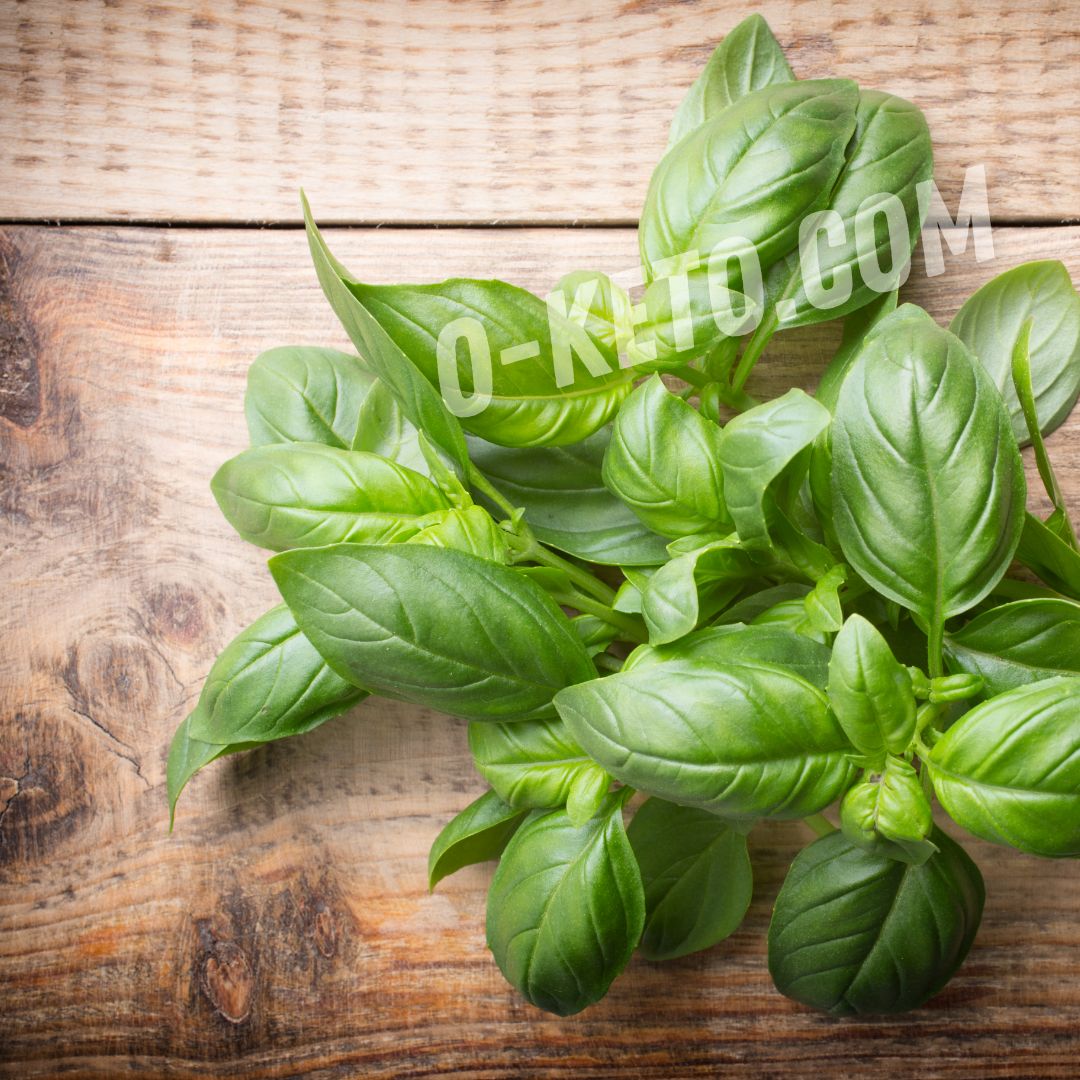

Basil is an aromatic culinary herb with a bright spicy scent and a soft peppery note. It is used fresh, dried, frozen, in sauces, salads, marinades, soups, and dishes with meat, fish, eggs, and cheese. In Mediterranean cooking, it is closely associated with tomatoes, mozzarella, olive oil, and pesto, while Asian dishes often use spicier or more citrus-like varieties.
For keto and LCHF, basil is convenient because it adds a lot of aroma with almost no carbohydrate load in a normal serving. It is not a source of fat or protein; it is a way to make a simple dish more expressive without sugar, breading, or sweet sauces. The main point is the form: fresh leaves, dried herb, and ready-made pesto behave differently.
Types and flavor
The word basil can refer to different plants and varieties. The most familiar sweet basil, Ocimum basilicum, is most often used in Italian dishes. It has a soft spicy aroma that works well with tomatoes, cream cheese, poultry, and fish. Lemon basil brings a citrus note, while Thai basil often smells of anise and holds up better to heat.
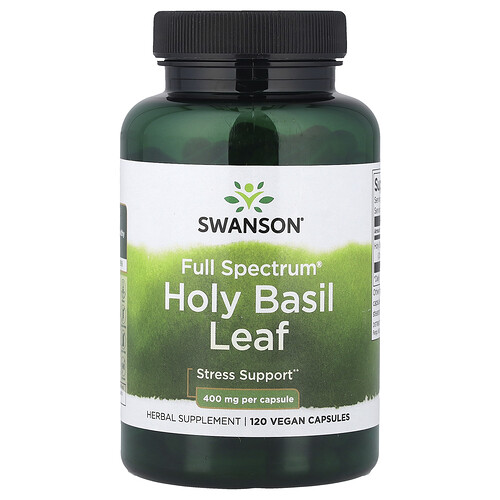
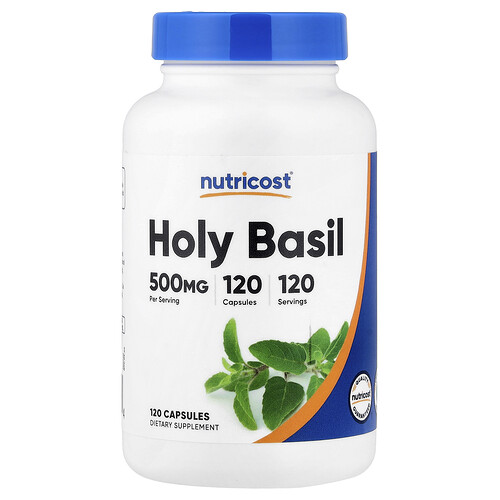
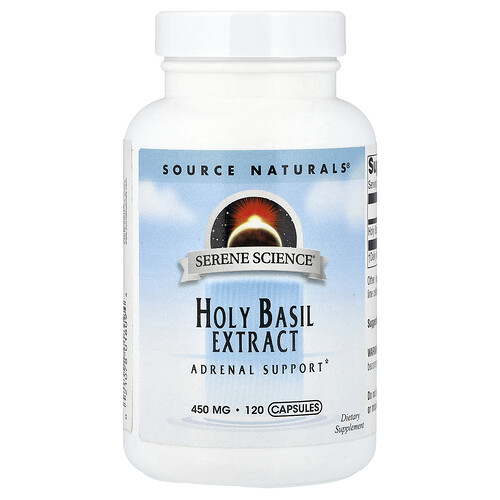
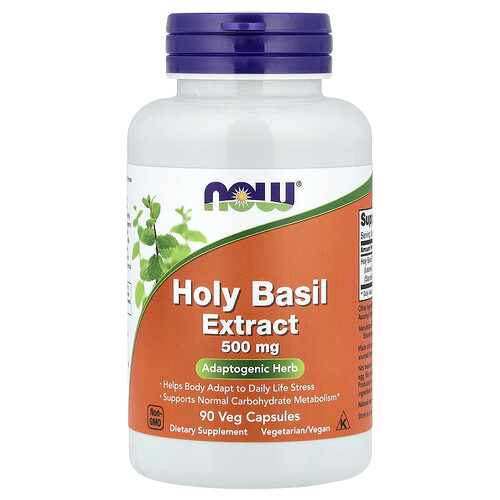
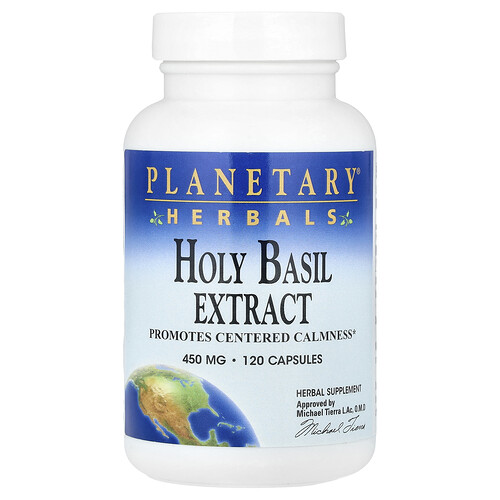
Holy basil, or tulsi, is more often associated with Indian cooking and drinks. Its flavor differs from ordinary sweet basil, so replacing one type with another should be done carefully. If a recipe is built around classic pesto, green sweet basil is the better choice. For stir-fries, curries, and spicy soups, Thai varieties are usually more appropriate.
Nutritional value
Fresh basil is low in calories, contains a little protein, and has almost no fat. Carbohydrates are also low in a usual culinary serving: a few leaves or a handful of herbs rarely changes the calculation of a dish. The leaves contain vitamin K, carotenoids, vitamin C, potassium, magnesium, calcium, and iron, but because portions are small, basil should not be treated as a main source of these nutrients.
Dried basil is more concentrated in aroma and in nutrients per 100 g, but it is used by the teaspoon. For that reason, comparing dried herb and fresh leaves by a 100 g table is not very practical. In real cooking, the dose, freshness of aroma, and ingredients around the basil matter more.
Is it suitable for keto?
Fresh and dried basil usually fit well into a keto diet. It adds flavor to meat, fish, eggs, cheeses, avocado, low-carb vegetables, and oils without making the dish carbohydrate-heavy. Basil is especially useful where a sweet sauce or bottled dressing can be replaced by a cleaner combination of herbs, oil, acid, and salt.
Ready-made pesto and basil sauces need more attention. Classic pesto is made from basil, olive oil, cheese, nuts or seeds, garlic, and salt, and that composition usually works for a low-carb menu. Store-bought versions, however, may contain sugar, starch, cheap oils, potato flakes, or other fillers. The label is worth checking.
How to use it
Fresh leaves are best added at the end of cooking or directly to the finished dish. Long heating quickly dulls the aroma, especially with sweet basil. The leaves can be torn by hand, cut with a sharp knife, mixed with oil, added to salad, omelet, sauce, cream cheese, minced meat, or marinade.
Dried basil opens more slowly, so it is useful in stews, soups, tomato sauces, casseroles, and marinades. Usually 1 teaspoon of dried herb can replace a small handful of fresh leaves, but the exact ratio depends on quality. If the herb smells dusty rather than like basil, it is better to use less or switch to fresh herbs.
Pairings
Classic pairings include tomatoes, mozzarella, parmesan, olive oil, garlic, lemon juice, pine nuts, chicken, turkey, white fish, shrimp, eggs, zucchini, eggplant, and mushrooms. In keto dishes, basil works especially well with fatty components: oil carries the herb’s aroma and makes the sauce fuller.
For salads, it can be combined with cucumber, avocado, feta, olives, and leafy greens. For hot dishes, use it with chicken in cream sauce, fish with lemon, eggs, grilled vegetables, and meatballs made without breadcrumbs. Thai basil fits better with coconut milk, chili, lime, and fish sauce.
How to choose
Fresh basil should be springy and fragrant, without black wet spots, slime, or heavy wilting. The leaves may be green or purple depending on the variety, but the smell should be clean and spicy. Stems should not look rotten, and the package should not be wet inside.
Dried basil is best bought in small packages. A good herb keeps a greenish color and recognizable aroma. Basil that is very dark, gray, or almost odorless will add little flavor. Seasoning blends with basil should be checked by composition: they may contain a lot of salt, sugar, or starchy additives.
Storage
Fresh basil does not handle cold and moisture well. A small bunch can be placed in a glass of water at room temperature like cut herbs and loosely covered with a bag. In the refrigerator, leaves often darken, especially if they get wet. For longer storage, basil can be chopped with olive oil and frozen in portions.
Dried basil should be kept in a closed jar away from the stove, light, and steam. It is better not to shake it directly over a boiling pot: steam enters the jar, and the herb clumps and loses aroma faster. Ready-made pesto should be refrigerated; the surface can be covered with a thin layer of oil so the sauce darkens less.
What to use instead
For Italian dishes, parsley with a little oregano, a small amount of fresh mint, or arugula can be used if a green peppery note is needed. For pesto, arugula, parsley, cilantro, or a mix of herbs with nuts and cheese can work. The flavor will be different, but the role of a green aromatic sauce remains.
For Asian dishes, ordinary sweet basil does not always replace Thai basil. If Thai basil is unavailable, a small mix of mint, cilantro, and regular basil can help. If only fresh herbs are needed in a salad, basil can be replaced with parsley, cilantro, dill, or green onion, but the aroma of the dish will noticeably change.
Research Notes
Herbal medicine materials often highlight holy basil, or tulsi, separately, but culinary basil also contains aromatic compounds and polyphenols. Eugenol, apigenin, orientin, and vicenin are among the compounds often discussed. This makes basil interesting not only as a fragrant herb, but also as a small source of antioxidant plant compounds in everyday food.
That does not mean basil should replace treatment or be used as a medicine. The safest and most practical way to use its qualities is to add fresh leaves or dried basil to meals regularly: salads, sauces, vegetables, fish, eggs, meat, and cheese. In this form it works gently: it improves flavor, adds variety to a low-carb menu, and contributes plant phytonutrients without sugar or starch.
Limits
In culinary amounts, basil is usually well tolerated. Concentrated extracts, essential oil, and high doses deserve caution, especially during pregnancy, when taking medications, with liver or gallbladder issues, or in people prone to allergic reactions to aromatic herbs.