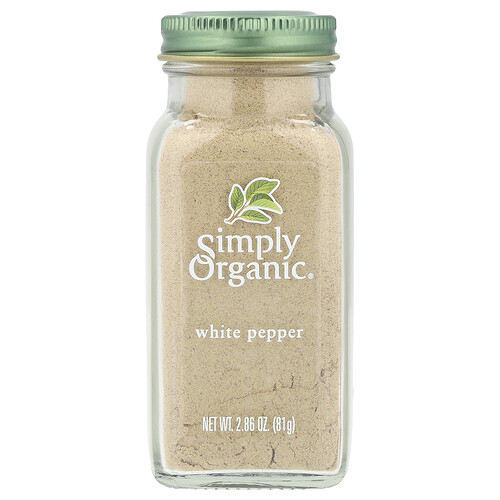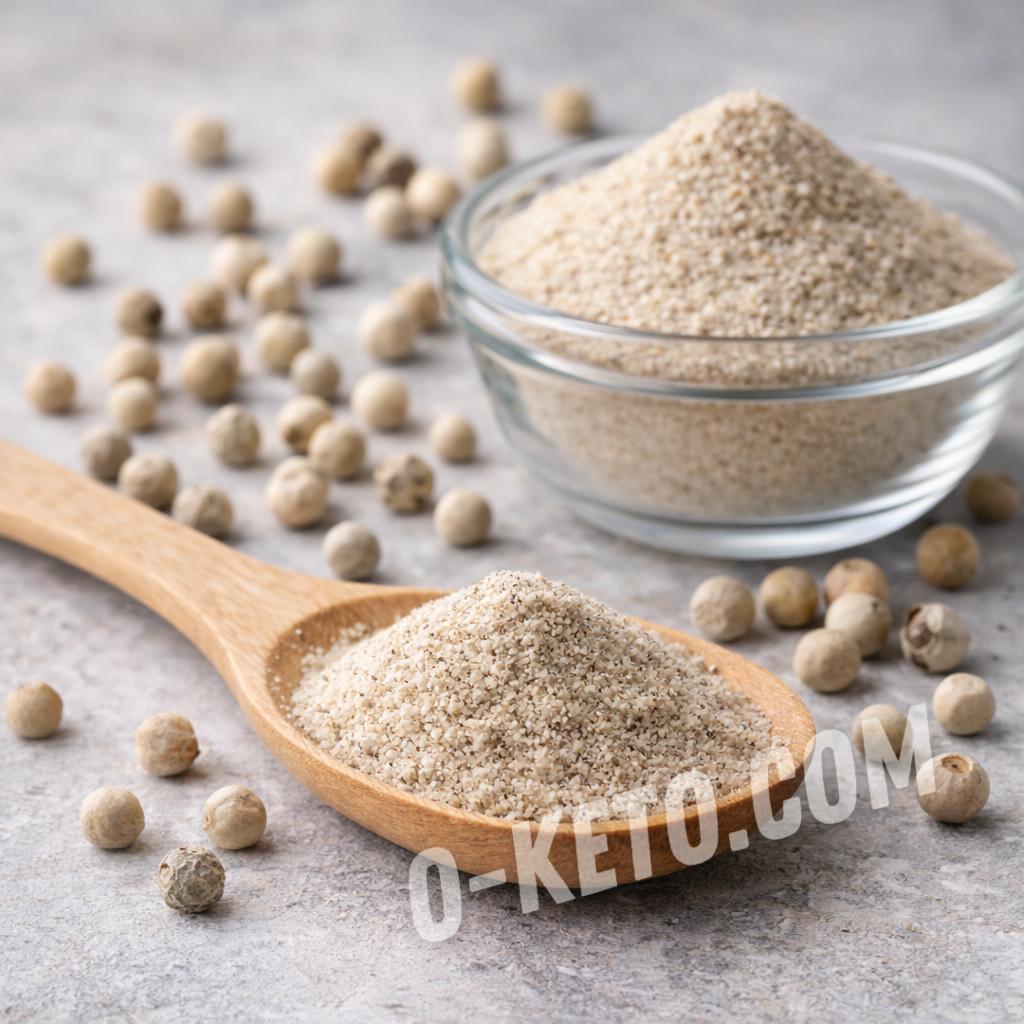

White pepper comes from the same plant as black pepper: Piper nigrum. The difference is processing. For white pepper, ripe berries are used, the dark outer layer is removed, and the pale inner seed is dried. This gives a taste that is less resinous and less “dark” than black pepper, while the familiar pepper heat remains.
This spice is especially useful in dishes where black specks would be distracting. It is added to cream sauces, blended soups, fish, poultry, eggs, cauliflower, celery root mash, homemade mayonnaise, and pale marinades. White pepper has an earthy, slightly fermented note, so it is not simply a pale version of black pepper.
Taste and aroma
White pepper is sharper than its color suggests. Black pepper often brings the bright aroma of the outer shell, while white pepper is felt more as spicy heat and a warm background. Freshly ground white pepper is much more interesting than pre-ground powder, because volatile aromas fade quickly after grinding. With long storage, ground white pepper can become flat or smell stale.
Quality depends strongly on processing. Traditionally, the outer layer is removed after soaking ripe berries, and poor fermentation can create an overly harsh smell. Good white pepper smells clean, spicy, slightly woody, and should not smell damp. If the aroma is unpleasant in the jar, it will be even more noticeable in food.
Nutrition
Per 100 g, white pepper contains a noticeable amount of carbohydrates, as most dry spices do. But a normal serving is a pinch, a quarter teaspoon, or less. In that amount, its contribution to carbohydrates, protein, fat, and calories is minimal. White pepper is therefore judged not as a source of macronutrients, but as a seasoning that changes flavor without sugar or starch.
The main pungent compound is piperine. It defines the heat and the warming mouthfeel. White pepper also contains aromatic components that open differently in hot and cold dishes. The fresher the grind, the cleaner the aroma and the less you need to add.
Is it suitable for keto?
White pepper fits keto and LCHF in normal culinary amounts. It makes dishes more expressive without flour, sugar, sweet sauces, or starchy thickeners. It is especially useful in recipes where a pale color should remain: cream sauce for fish, cauliflower soup, yolk-based sauce, chicken in cream, omelet, or a flourless casserole.
Counting carbohydrates from one pinch usually makes little sense, but ready spice blends need a separate look. They may contain sugar, dextrose, starch, powdered cream, flavor enhancers, and salt. Pure ground white pepper or whole peppercorns are easier to control: there is no hidden sweetness, and the heat is easier to adjust.
How to use
White pepper is best added gradually. In hot dishes it opens quickly, and too much can give sharp bitterness and intrusive heat. For a sauce, start with a small pinch, let the dish stand for a couple of minutes, and only then adjust salt or add more spice. In cold sauces, the taste appears more slowly, so it is better to taste them after a short rest.
This spice works well with fish, shrimp, chicken, turkey, eggs, mushrooms, cauliflower, zucchini, butter, cream, and soft cheeses. In marinades, white pepper can be combined with lemon, garlic, bay leaf, thyme, and a small amount of mustard without sugar. For red meat, black pepper is more common, but white pepper also works when a smoother background is wanted without a visible pepper crust.
How to choose
It is better to buy white peppercorns and grind them before use. The berries should be light beige, dry, and without gray coating, damp clumps, or a stale smell. A very white color can sometimes point to aggressive processing rather than quality. Ground pepper is convenient, but it loses aroma faster, so small packages are preferable.
If the spice is needed for pale dishes, not only color but also grind size matters. Coarse particles can be visible in a smooth sauce. For creamy textures, a fine fresh grind works well; for marinades and broths, whole peppercorns can be used and removed later.
Limits and storage
White pepper can irritate mucous membranes if too much is added. Use caution with a sensitive stomach, reflux, gastritis flare-ups, or poor tolerance of hot spices. In dishes for children, it should be used very sparingly or replaced with gentler aromas.
Store white pepper in a tightly closed jar, away from the stove, light, and moisture. Do not shake it directly over a boiling pot: steam gets into the jar, and the powder clumps faster. Whole peppercorns keep their aroma longer than ground pepper, so they are better for occasional use.
Substitutes
For a similar culinary effect, use black pepper, but it will add visible color and a different aroma. In pale sauces, nutmeg, allspice in a very small amount, or a mix of white pepper and garlic can sometimes work. If you need mild aroma without heat, use dill, thyme, bay leaf, or a little lemon zest.