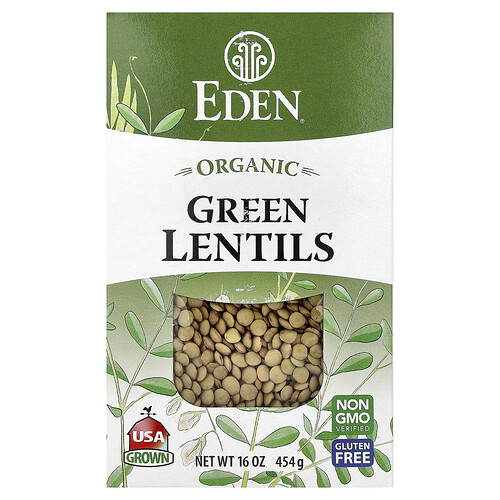
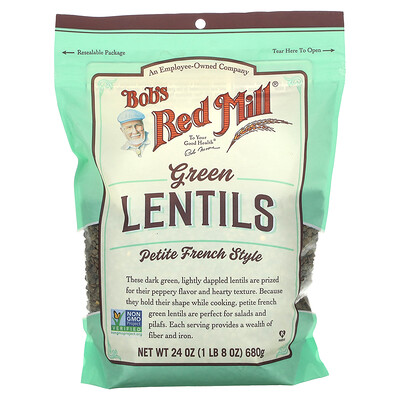
Lentils are a legume with a long history and many varieties. Green, brown, red, yellow, and black lentils are the most common in cooking. They differ in flavor, cooking time, and texture: red lentils quickly turn into puree, green and brown lentils hold their shape better, and black lentils stay firmer and look striking in salads.
Lentils are valued for plant protein, fiber, and deep flavor, but for keto they are complicated. They are not a grain, yet they contain a substantial amount of carbohydrates. For that reason, lentils should not be treated as a free low-carb side dish. In strict keto, they are usually avoided or used in very small amounts as an accent.
Nutrition
A 100 g portion of dry lentils usually has about 330-360 kcal, roughly 24-26 g of protein, 1-2 g of fat, and about 50-60 g of carbohydrates, some of which are fiber. After cooking, the weight increases about 2-2.5 times, so 100 g cooked lentils are not the same as 100 g dry lentils. Cooked lentils contain fewer carbohydrates per 100 g, but the portion still needs counting.
The glycemic index of lentils is often lower than that of white rice or wheat flour, especially when the grains are not fully broken down. But a low or moderate index does not remove the carbohydrate amount. For low-carb eating, both factors matter: how fast carbohydrates are absorbed and how large the serving is.
Are they suitable for keto?
For strict keto, lentils are usually not suitable as the base of a plate. Even 100-150 g of cooked lentils can provide too many carbohydrates for someone with a low daily limit. In a looser LCHF plan, a small serving may sometimes fit, but it is better counted in advance and not combined with bread, rice, potato, or sweet sauces.
A more practical option is to use 1-2 tablespoons of cooked lentils as an addition to a salad, soup, or stew where the base remains meat, fish, eggs, mushrooms, and low-carb vegetables. This keeps the lentil flavor while reducing the carbohydrate load compared with a large bowl of dal or a full side dish.
How to use
Red lentils cook quickly and work in thick soups, purees, and Indian-style dishes. Green and brown lentils hold their shape better, so they are useful for salads, stews, and warm sides. Black lentils are firm and look good with herbs, egg, cheese, and vegetables. Before cooking, sort lentils, rinse them, and cook to the texture you need.
Salt is best added closer to the end if you want the grains to keep their shape. Acidic ingredients such as tomatoes, vinegar, and lemon juice can also slow softening, so they are often added after the main cooking. For flavor, use bay leaf, cumin, coriander, garlic, onion, paprika, thyme, and a little oil.
How to choose
Good dry lentils should be even, without dust, stones, insect traces, or stale smell. Too many broken grains may point to rough handling or long storage. Red lentils are almost always sold hulled and split, so they cook faster; green and brown lentils usually need more time.
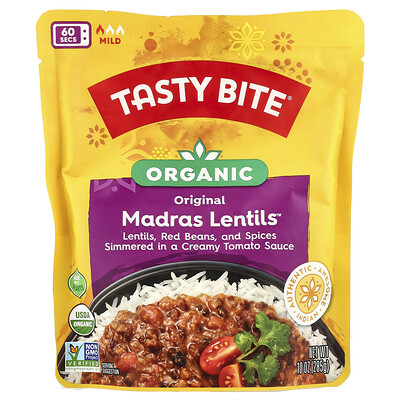
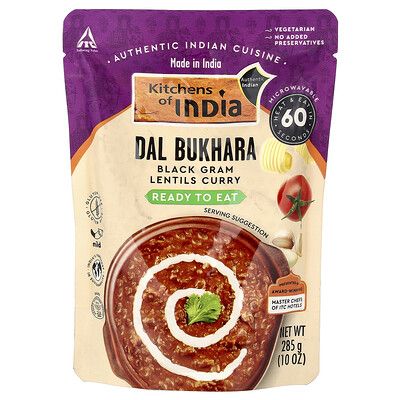
Canned lentils are convenient, but the ingredient list matters: sugar, starchy sauces, or extra flavorings may be present. For keto, choose lentils with water and salt, then rinse before use. Frozen ready mixes also need checking because they may contain rice, corn, or sweet dressing.
Limits and storage
Lentils can cause gas and heaviness, especially in large servings or when legumes are rarely eaten. Rinsing, thorough cooking, and gradual introduction can make them easier to tolerate, but individual response still matters. With strict carbohydrate control, weigh the cooked serving or count from the dry product before cooking.
Store dry lentils in a closed jar or container in a dry dark place. Cooked lentils keep in the refrigerator for 3-4 days and should not be left at room temperature for long. They can be frozen in portions, but red lentils become even softer after thawing.
Substitutes
In keto dishes, lentils are often replaced with mushrooms, chopped cauliflower, zucchini, eggplant, mince, egg, tofu, or a small amount of nuts and seeds. For puree soup, cauliflower with spices works well; for salad, mushrooms with herbs and cheese are useful; for a dal-like flavor, stew cauliflower with cumin, turmeric, coriander, and butter.