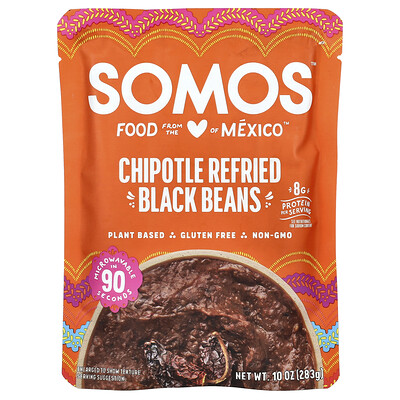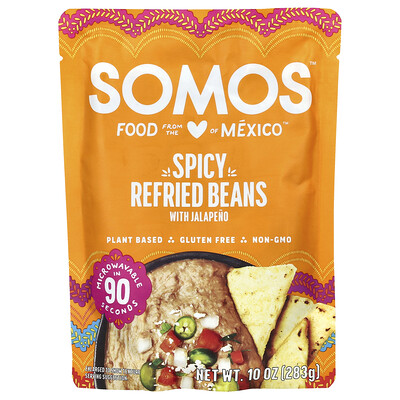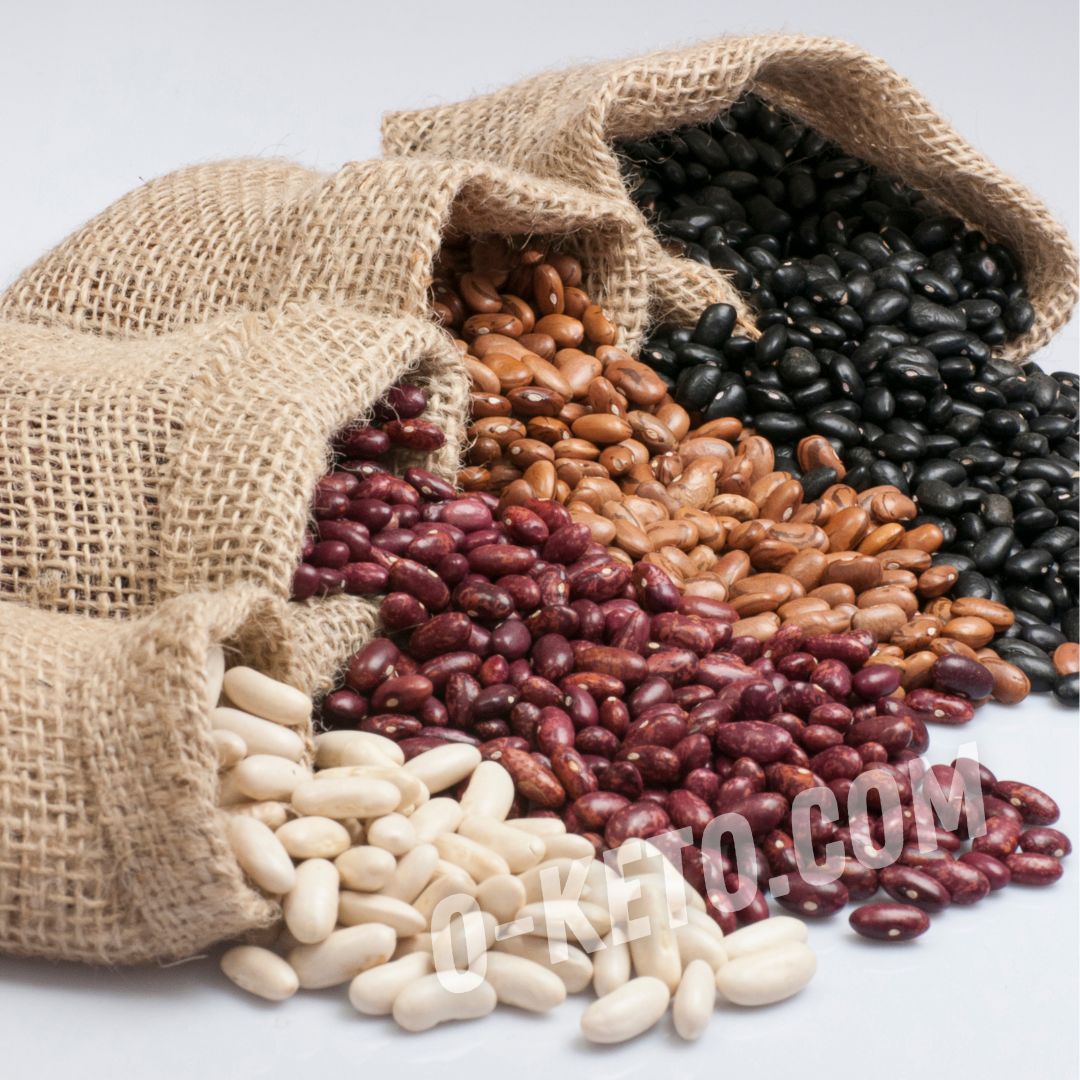

Beans are a large group of legumes with many varieties: white, red kidney, black, pinto, adzuki, lima, mung, and others. In cooking they are used for soups, stews, salads, spreads, side dishes, chili, lobio, and pastes. Flavor depends on the variety: white beans are softer and creamier, red beans are firmer, black beans have an earthier note, and mung beans cook faster.
Beans are valued for protein, fiber, and satiety, but they are difficult for keto. They are not simply “plant protein”, but a starchy legume. Even after cooking, a serving contains a noticeable amount of carbohydrates. Beans can fit ordinary diets, vegetarian dishes, or moderate low-carb, but rarely fit strict ketosis.
Safety also matters. Some varieties, especially red kidney beans, should not be eaten raw or undercooked: they contain lectins that are reduced by proper boiling. Slow warming at an insufficient temperature is not a replacement for full cooking. Canned beans are already processed, but their ingredients and carbohydrates should still be checked.
Nutritional value
In 100 g of cooked beans there are usually about 110–140 kcal, 7–9 g of protein, less than 1 g of fat, and roughly 20–25 g of carbohydrates, of which 5–8 g may be fiber. In the dry product, values are much higher because beans absorb water and increase about 2–2.5 times during cooking.
Beans contain folate, magnesium, potassium, iron, manganese, and polyphenols. They also contain phytates and other compounds that may reduce access to some minerals. Soaking, rinsing, and cooking help improve texture, reduce some compounds that cause discomfort, and make the dish gentler to digest.
Are they suitable for keto?
For strict keto, beans usually do not fit. Their glycemic index may be moderate, but the glycemic load of a portion remains noticeable because of starch. A small 30–50 g amount of cooked beans can sometimes be used as an addition to salad or soup if the rest of the day is very low in carbohydrates, but this requires counting.
Bean spreads, white bean hummus, chili with many legumes, and thick soups can easily provide more carbohydrates than expected. For a low-carb version, part of the beans can be replaced with mushrooms, cauliflower, zucchini, eggplant, minced meat, chopped cabbage, or olives while keeping the spices and sauce.
Raw and undercooked kidney beans can be unsafe because of phytohaemagglutinin. Soaking may help as a preparation step, but the beans must then be cooked until fully tender; slow heating at an insufficient temperature should not be treated as a reliable substitute for adequate boiling.
How to cook them
Dry beans are sorted, rinsed, and usually soaked for 8–12 hours. The soaking water is discarded, the beans are rinsed again, and then cooked in fresh water until fully soft. Acidic ingredients such as tomato or vinegar are better added after softening because acid can keep the skins firm longer.
Salt can be added closer to the middle or end of cooking. Bay leaf, garlic, onion, cumin, smoked paprika, pepper, thyme, rosemary, and chili oil work well. Canned beans are best rinsed if saltiness and thick liquid need to be reduced.
How to choose
Dry beans should be whole, without insects, mold, musty smell, or many cracked seeds. Very old beans may cook for a long time and stay hard. In canned products, check the ingredient list: beans, water, and salt are the clearest option. Sugar, syrups, starch, and sweet sauces change the dish.
Limitations
Beans may cause bloating and heaviness, especially in a large portion or when the diet is not used to legumes. People who tolerate legumes poorly should start with a small amount. With strict carbohydrate control, beans are usually easier to replace than to make the base of a keto dish.
How to store them
Dry beans are kept in a dry dark place in a closed jar. Cooked beans are stored in the refrigerator and used within a few days or frozen in portions. If sour smell, slime, gas, or mold appears, the product is discarded.
What can replace them?
In ordinary cooking, beans can be replaced with lentils, chickpeas, peas, or other legumes, but for keto these are also starchy options. In low-carb dishes, mushrooms, cauliflower, zucchini, eggplant, cabbage, minced meat, olives, or avocado work better, depending on the recipe.