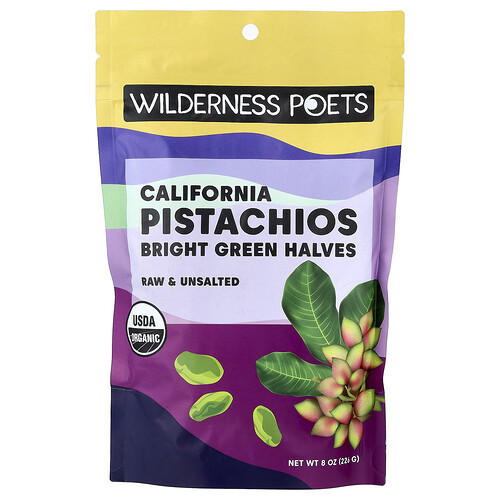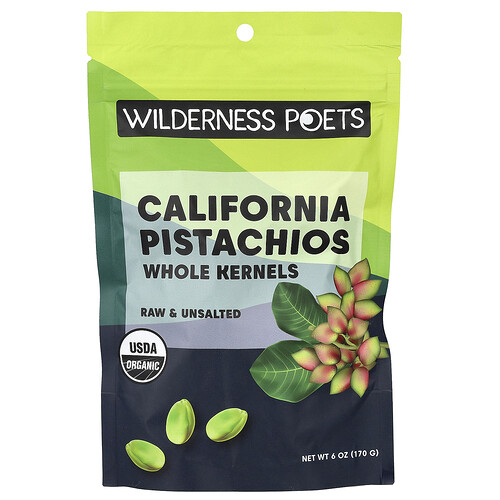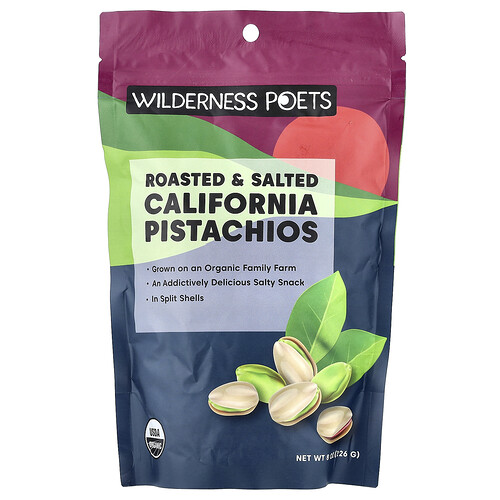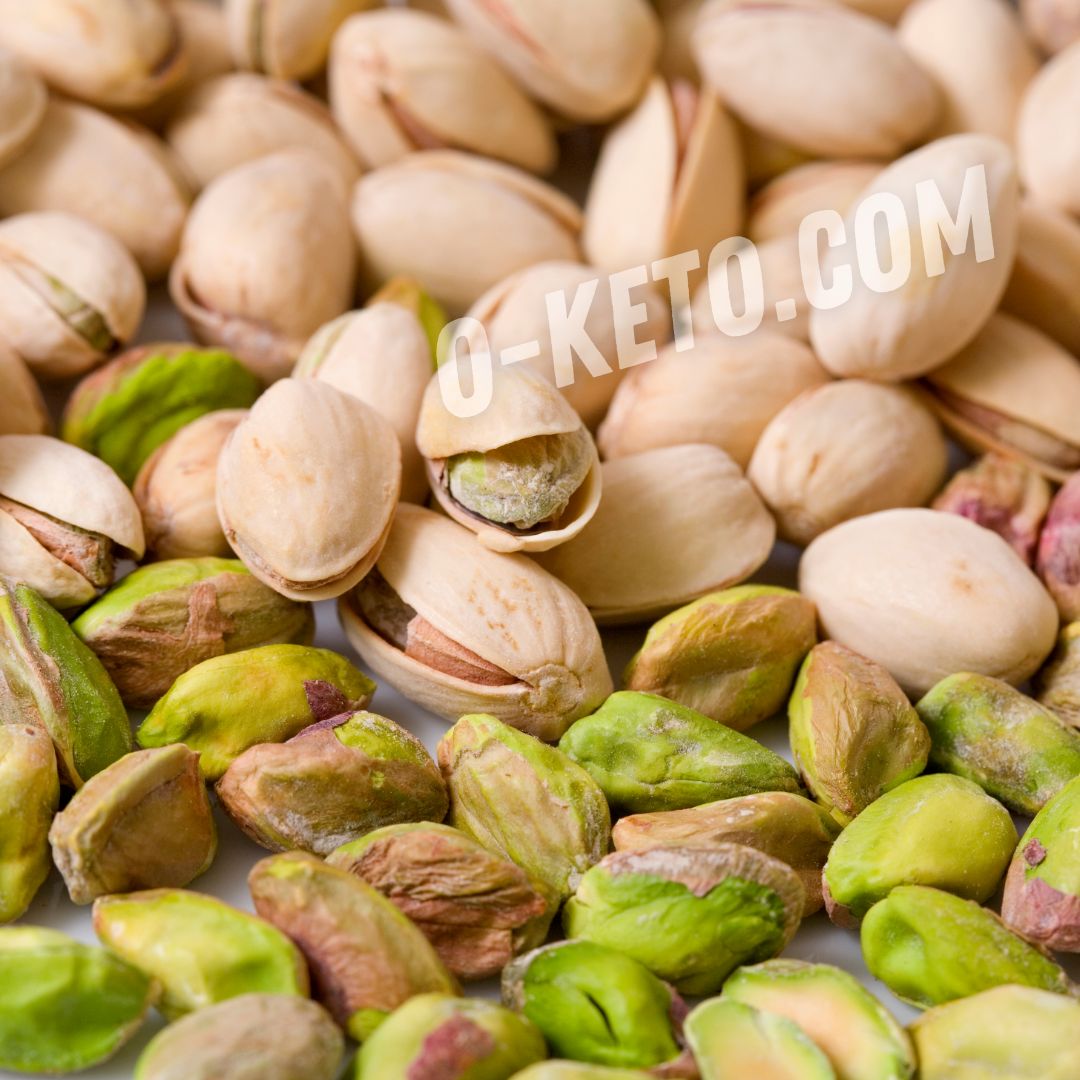

Pistachios are greenish seeds of the pistachio tree, usually treated as nuts in cooking. They sit inside a hard shell, have a sweet creamy taste, and work as a snack, a topping for salads, meat, cheeses, sugar-free desserts, and nut pastes.
Pistachio trees grow in hot dry climates, and the crop has been known in the Middle East and Mediterranean for thousands of years. The kernel color can range from yellowish to bright green depending on variety, maturity, and processing. Unlike many nuts, pistachios are often sold in the shell, which helps portion control: they are harder to eat unnoticed by the handful.
Nutrition
A 100 g portion of shelled pistachios usually has about 550-570 kcal, roughly 20 g of protein, 44-46 g of fat, and about 27-28 g of carbohydrates, some of which are dietary fiber. They are not the lowest-carb nut, but they are not candy either. In real portions, the weight of shelled kernels matters: a bowl of pistachios in shells looks large, but the edible part is smaller.
The fats in pistachios include saturated, monounsaturated, and polyunsaturated fractions. Older tables often list about 6% saturated fat, around half monounsaturated fat, and a noticeable share of polyunsaturated fat, including linoleic acid. Pistachios also contain vitamin B6, potassium, magnesium, phosphorus, iron, and plant pigments, but they are best treated as a calorie-dense nut with carbohydrates, not as a supplement.
Are they suitable for keto?
Pistachios can fit keto and LCHF in small portions. Their glycemic index is low, but carbohydrates are still present, so a large handful can use up part of the daily limit quickly. A practical serving is 15-30 g of shelled kernels, depending on the rest of the menu. If the pistachios are salted, it is better to measure the portion first instead of eating from a large bag.
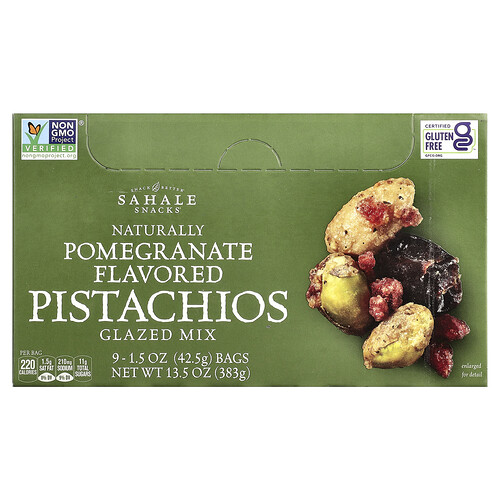
Extra caution is needed with pistachios in glaze, honey, caramel, sweet mixes, bars, and desserts. There, carbohydrates come not only from the nut but also from sugar, syrups, flour, or dried fruit. For strict keto, choose plain pistachios: raw, dry-roasted, or lightly salted without sweet additions.
How to use
Pistachios are useful when crunch, fat, and green nut flavor are needed. They fit salads with avocado, cucumber, herbs, goat cheese, chicken, turkey, and fish. Chopped kernels can top oven-cooked cauliflower, eggplant, zucchini, or white fish. In sauces, pistachios pair well with lemon, garlic, olive oil, parsley, basil, and mint.
In sugar-free desserts, pistachios bring flavor and color, but they are better as an accent than as the whole base. They work with mascarpone, cream, cottage cheese, cocoa, vanilla, and berries. Pistachio paste should be free from sugar and starch; if the ingredient list contains only kernels and possibly salt, it is easier to use in a recipe.
How to choose
Good pistachios smell fresh and nutty, without mustiness or rancidity. The shell is usually naturally open; fully closed nuts are harder to crack and sometimes less mature. The kernel should not be dark, sticky, or shriveled. Very bright green color in sweet products may come from coloring, so the ingredient list matters.
Salted pistachios are convenient as a snack, but salt can hide tired flavor. For cooking, unsalted shelled kernels or pistachios in shells without flavorings are more flexible. Roasted versions lose their fresh aroma faster, especially after the package has been open for a while.
Limits and storage
Pistachios are not suitable for people with allergy to pistachios, cashews, and sometimes other related nuts. Because they are calorie-dense and pleasantly salty, they are easy to overeat. A large portion can feel heavy for sensitive digestion, especially when the nuts are roasted and salted.
Store pistachios tightly closed, away from light, heat, and moisture. Shelled kernels spoil faster than nuts in shells. For longer storage, the refrigerator or freezer is better. If bitterness, an old-oil smell, or mold appears, discard the product.
Substitutes
For similar crunch, use almonds, macadamias, walnuts, hazelnuts, pine nuts, or pumpkin seeds. For color and sauce use, pine nuts with herbs or almonds with basil can stand in. If the goal is fewer carbohydrates, macadamias and pecans are often easier, but the flavor will differ.