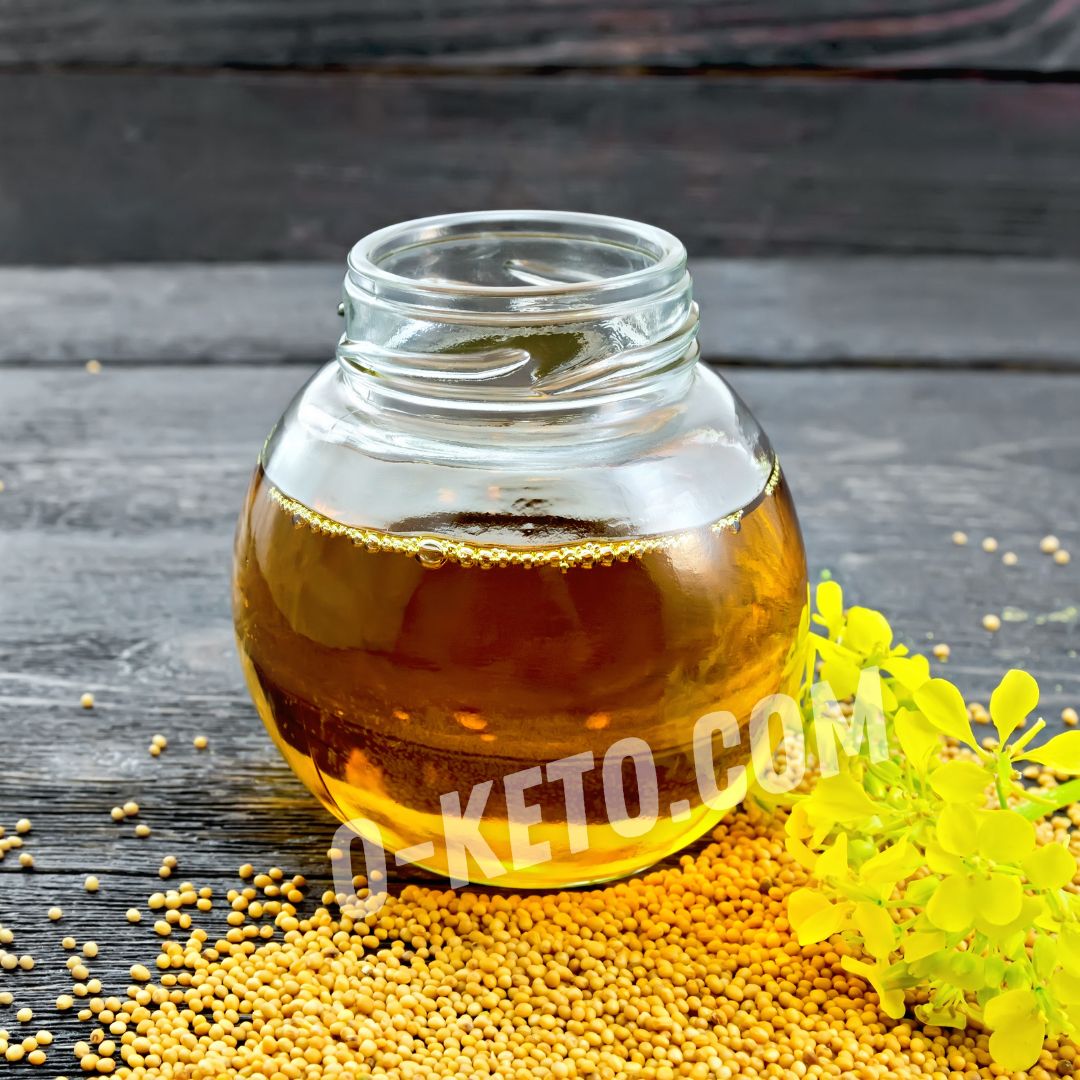

Mustard oil is extracted from mustard seeds. It has a bright spicy aroma, golden color and a flavor that may be mild or sharply mustard-like depending on raw material and processing. In South Asian and Eastern European cuisines it is used for marinades, salads, vegetables, fish, meat and sometimes frying, if the product is intended for heat.
Per 100 g, mustard oil is often listed at about 884 kcal, 100 g of fat, 0 g of protein and 0 g of carbohydrates. Glycemic index and glycemic load are 0. It contains unsaturated fatty acids and vitamin E, but it should not be described through promises. In food, flavor, fatty acid profile, heat suitability and quality matter more.
Nutrition
Mustard oil is pure fat, so it contains no carbohydrates. For keto this is convenient, but calories are high like in any oil. One tablespoon can noticeably change the energy density of a dish even if it does not affect sugar.
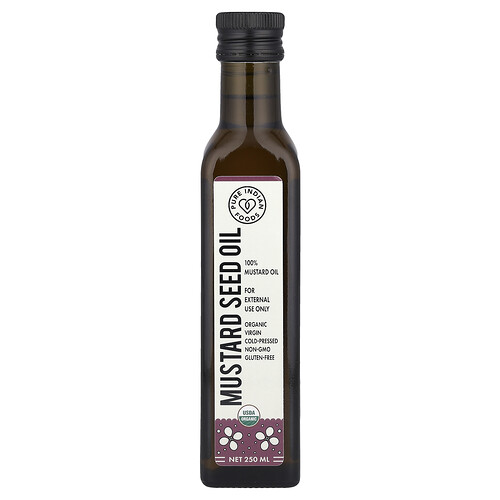
The composition depends on mustard variety and processing. In some countries, food use is regulated because of erucic acid content, so it is important to buy a product intended specifically for eating, with clear labeling. Cosmetic or technical oil is not suitable for cooking.
Is It Keto-Friendly?
Mustard oil fits keto by macronutrients because it contains no carbohydrates. It helps make lean vegetables, fish or meat more satisfying. But the strong flavor needs dosing. Too much can make the mustard note dominate the whole dish.
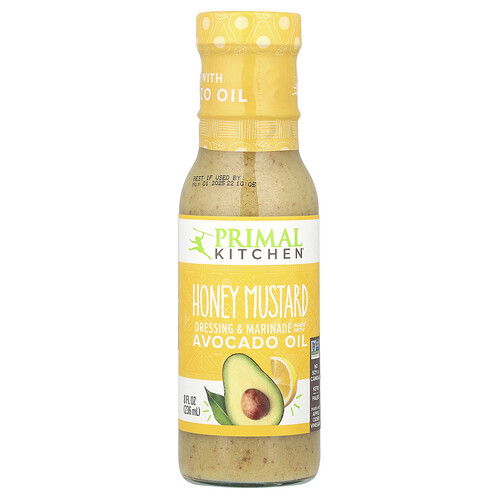
For strict keto, check not only the oil but also the sauce where it is used. Ready mustard dressings may contain sugar, honey, starch or syrups. Pure oil is easier to control, especially when mixed at home with sugar-free vinegar, lemon, salt and spices.
How to Use It
If the oil is refined and labeled as suitable for frying, it can be used for heat. Unrefined oil is usually better added to finished dishes or used for short gentle heating. At high heat, the bright aroma may become harsh.
Practical options include:
- salad dressing with sugar-free vinegar;
- marinade for fish, chicken or pork;
- an addition to stewed cabbage or cauliflower;
- sauce with sugar-free mustard and herbs;
- a few drops to sharpen the flavor of a finished dish.
How to Choose and Store
Buy only food-grade mustard oil. The label should show ingredients, expiration date, producer and storage conditions. If it says external use, it should not be used in food. The smell should be mustard-like, not rancid or chemical.
Store it tightly closed, away from light and heat. Unrefined oil is especially sensitive to storage. Cloudiness, bitterness, sticky smell or a sharp change in aroma are reasons not to use it.
Limits and Substitutes
Mustard oil is not suitable for people with mustard allergy. The sharp aroma can irritate a sensitive stomach, especially raw and in a large dose. Start with a teaspoon in dressing rather than a large amount.
It can be replaced with olive oil, avocado oil, ghee, butter or neutral refined oil, while the mustard note can be added separately with ordinary sugar-free mustard. If a sharp aroma is needed, mustard dressing, horseradish, vinegar and spices can help.
Portion and Common Mistakes
Mustard oil has a strong character, so it is better to start with a small amount. In a salad or marinade, a teaspoon can be more noticeable than a tablespoon of neutral oil. A common mistake is buying the first “mustard oil” available without checking its purpose. In different countries, similar names may refer to food-grade, cosmetic or aromatic products, as well as oils with different requirements for erucic acid content. For cooking, food-grade labeling matters. Another mistake is using it in sweet honey dressings; for keto, acid, salt, herbs and spices without sugar are better.
Dosing in Dressings
Mustard oil rarely needs to be the only oil in a dressing. It is often easier to mix it with milder olive oil or neutral oil, so the aroma stays clear without becoming harsh. For a first try, use one part mustard oil to two or three parts of another oil.
In marinades, mustard oil opens well with sugar-free vinegar, lemon, garlic, coriander, pepper and herbs. If the product is not meant for heating, add it after cooking or into a cold sauce. This keeps the flavor cleaner and prevents rough bitterness.
Sources
Key sources on the product composition, safety, and use:
- Various concentrations of erucic acid in mustard oil and mustard
- USDA FoodData Central: Oil, mustard