


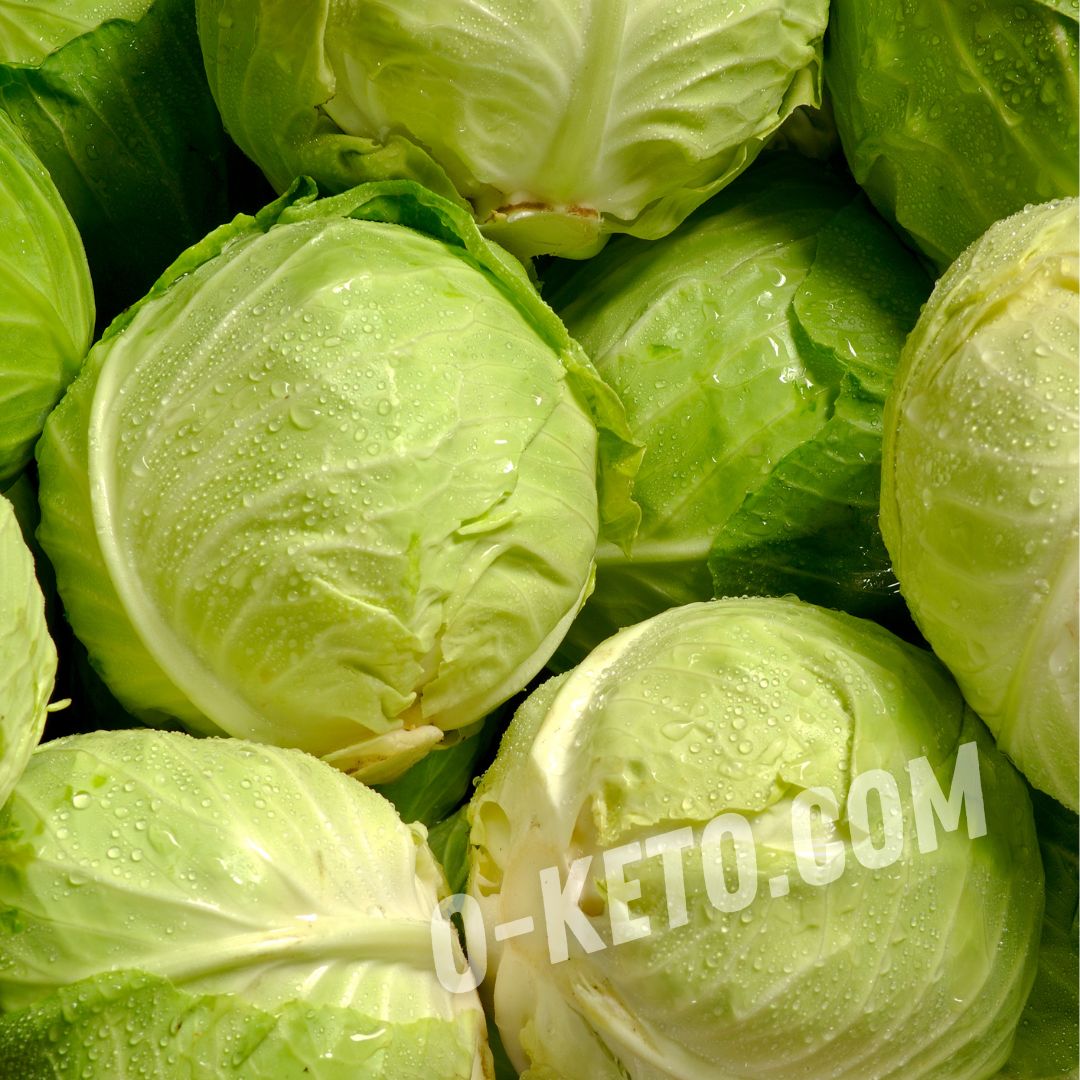

Cabbage kvass is a sour fermented drink made from cabbage, salt, and water. In practice it is close to sauerkraut brine, but it can be prepared separately as a drink: cabbage is shredded, covered with brine, sometimes seasoned with spices, and then left for lactic fermentation. The flavor depends on the cabbage, salt, temperature, fermentation time, and additions.
In Slavic and Eastern European cooking, sour cabbage drinks were valued as a winter way to use vegetables without sugar and heavy processing. Today cabbage kvass is more often used as a sharp drink, a sour base for cold soups, marinades, and dressings. It is important not to confuse it with sweet bread kvass: the ingredients, flavor, and carb content are different.
Nutrition
Exact values depend on the recipe and on how much of the cabbage sugars moved into the brine and fermented. In a simple version without added sugar, 100 ml may contain about 10-15 kcal, 0-1 g protein, almost no fat, and roughly 1-3 g carbohydrates. If the maker adds sugar, apple juice, honey, or sweet vegetables, the carb count will be higher.
The sour taste comes mainly from lactic acid formed during fermentation. The drink may contain salt, potassium, and other minerals from the cabbage and brine. In an unpasteurized product, part of the live microflora may remain, but the amount cannot be judged from the name alone.
Is It Suitable For Keto
Cabbage kvass without sugar can usually fit keto and LCHF in small servings. A practical amount is 50-150 ml, especially because it is sour and salty. It can replace part of the vinegar in a dressing, add acidity to fatty meat, eggs, cucumber salad, or dishes with braised cabbage.
The main check is the ingredient list. For keto, avoid versions with sugar, sweet syrup, fruit juice, or pasteurized drinks with added sweetness. Homemade kvass should also be introduced gradually: even without sugar, it can be quite salty and acidic.
How To Use
Cabbage kvass is drunk chilled in small portions or added to food as a sour liquid. It pairs with cold boiled beef, pork, eggs, cucumbers, radishes, dill, parsley, sugar-free mustard, and sour cream. In dressings it can be mixed with avocado oil, olive oil, or thick unsweetened yogurt.
In cooking it works well in marinades: acidity balances fatty meat and poultry, while salt is already partly present in the brine. Before marinating, check the saltiness so the dish does not become oversalted. In cold soups, it can replace part of the water or kefir when a bright cabbage note is wanted.
If the drink is too sharp, dilute it with cold water or use it as a sauce component rather than as a drink. Long heating is not the best use: the flavor becomes flat, and the sauerkraut aroma can turn harsh.
How To Choose
The ingredient list should contain cabbage, water, salt, and possibly spices: dill, pepper, bay leaf, caraway, or garlic. The shorter the list, the easier it is to understand the product. Labels such as “unpasteurized” and “live fermentation” matter if you want a fermented character, but the bottle still needs to be stored according to the instructions.
The color may range from almost clear to pale yellow. Light cloudiness and sediment are acceptable in an unpasteurized drink. Mold, a rotten smell, slimy texture, strong fizz after warm storage, and a swollen cap are signs that the product should not be used.
Limits
Cabbage kvass usually contains a lot of salt and acid. This matters for a sensitive stomach, strict sodium limits, tendency to swelling, and individual reactions to fermented foods. It is better to start with a few sips or a small amount in a dish.
A homemade drink requires clean jars, the right salt concentration, and temperature control. If fermentation is too warm or there is not enough salt, the flavor and reliability become less predictable.
How To Store
Finished cabbage kvass should be kept in the refrigerator in a clean, closed bottle or jar. Each serving should be poured cleanly, without returning leftovers to the container. After opening, the taste will gradually become more acidic, so a small bottle is more convenient than a large one. Homemade kvass should be checked regularly for smell, color, and pressure under the lid.
What To Use Instead
For a sour fermented flavor, use sauerkraut brine without sugar, pickle brine without sweet marinade, kimchi brine, unsweetened beet kvass, or a little apple cider vinegar diluted with water. If you only need acidity in a sauce, lemon juice or wine vinegar is enough, but they will not give the cabbage flavor.


