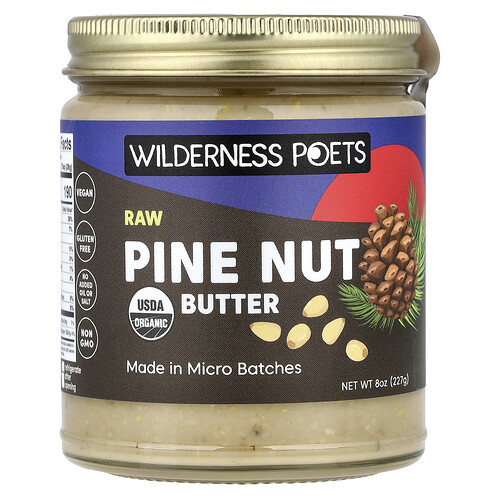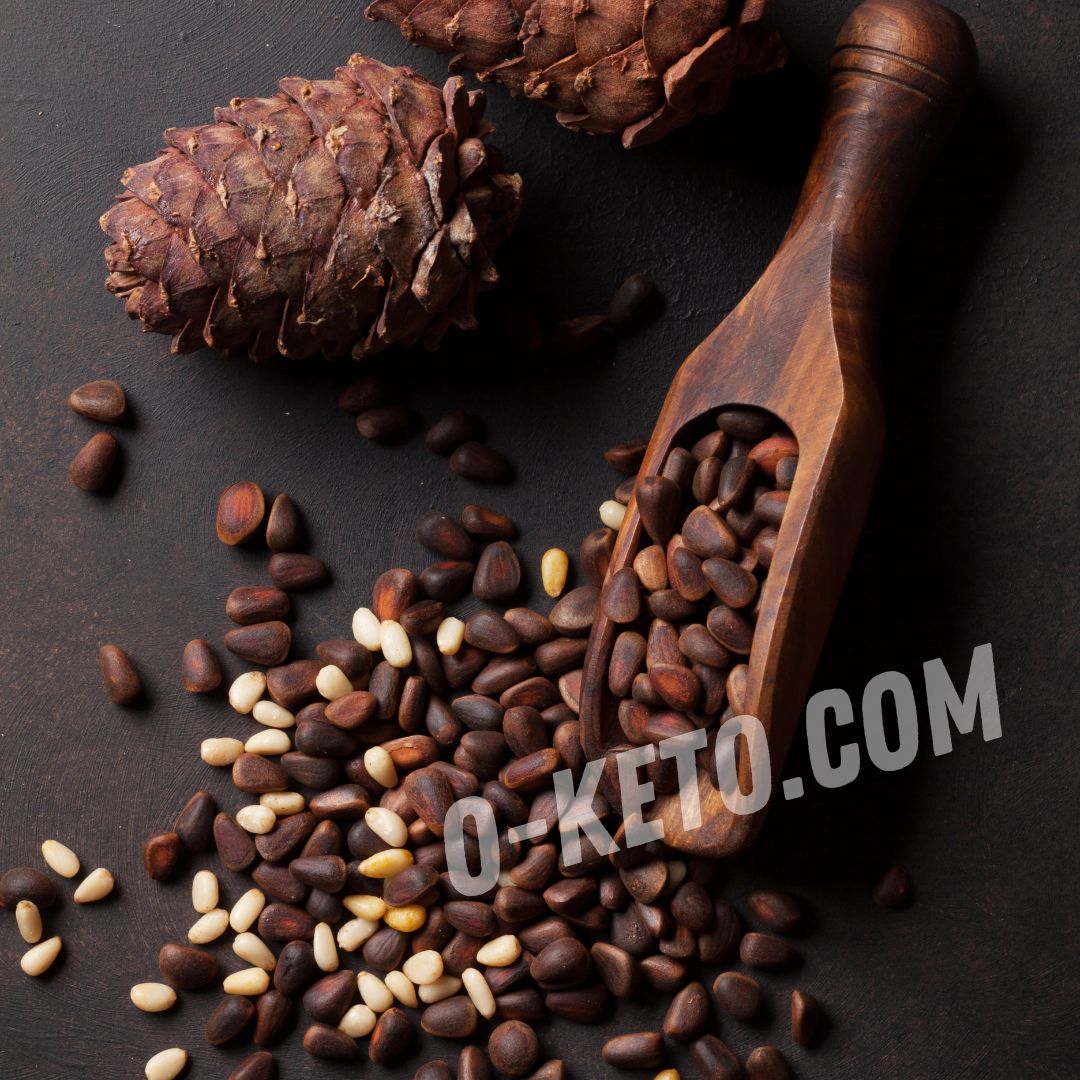

Pine nuts are edible seeds of certain pine species, not true botanical nuts. In cooking, however, they behave like nuts: fatty, dense, gently sweet, buttery in texture, and lightly resinous in aroma. They are eaten on their own, added to salads, sauces, pesto, fillings, cheese spreads, meat dishes, and savory low-carb baking made without grain flour.
For a low-carb diet, pine nuts are convenient but portion-sensitive. They contain a lot of fat, some plant protein, and a moderate amount of carbohydrate, yet their small size makes overeating easy. A practical serving is one or two tablespoons as part of a dish, not a large bowl used as a casual snack.
Composition and macros
Pine nuts contain fats with a meaningful share of polyunsaturated fatty acids, including linoleic acid, as well as monounsaturated fats. They also provide plant protein, magnesium, phosphorus, zinc, manganese, vitamin E, and B vitamins. Exact values vary by pine species, origin, and moisture level, so strict tracking should rely on the nutrition label of the product you buy.
The glycemic index of pine nuts is low, but that does not mean the carbohydrates disappear. Used in pesto, salad, or a cheese plate, their contribution is usually modest. Eaten directly from the bag, the portion can quickly stop being “a pinch” and become a full energy-dense meal.
Keto and LCHF
On keto and LCHF, pine nuts work best as a flavor and texture ingredient. They bring soft crunch, fat, and nutty sweetness without added sugar. They are especially useful when a dish needs more density: a green salad, sauce for fish, filling for eggplant or zucchini rolls, a mixture with soft cheese, an omelet, or a low-carb vegetable side dish with butter or olive oil.
If your diet is built around carbohydrate restriction and weight control, measure the portion in advance. Pine nuts are pleasant because they are rich in fat, while fullness may arrive later than the hand does. For a snack, combine them with bulkier foods: cucumber, lettuce leaves, cheese, egg, olives, or an unsweetened yogurt sauce.
How to choose
Pine nuts spoil quickly because of their high fat content. Fresh kernels smell mild: nutty, creamy, sometimes with a light pine note. Sharp bitterness, the smell of old oil, a dusty taste, dark spots, or a sticky surface are signs of poor storage. It is better to buy small packs with a clear packing date and avoid kernels that have sat open under light for a long time.
Shelled pine nuts are easier to use but more vulnerable. Nuts in the shell keep longer, though they take time to open. For salads and sauces, shelled kernels are the usual choice, but after purchase they should be moved to an airtight jar and kept in the refrigerator or freezer. Toasting in a dry pan strengthens the aroma, but do it briefly and over moderate heat because the kernels are small and burn quickly.
How to use them
The classic use is pesto: basil, pine nuts, hard cheese, olive oil, garlic, and salt. In a low-carb version, serve that sauce not with pasta but with chicken, fish, eggs, zucchini noodles, cauliflower, or salad leaves. Pine nuts also work well with warm vegetables: they add fat and texture when the dish itself feels too light.
In salads, add pine nuts at the end so they do not soften. In cheese spreads, do not grind them completely: a fine crumb gives flavor, while larger pieces keep the sense of a kernel. In meat dishes, they pair well with lamb, poultry, pork, minced meat, and Mediterranean-style herbs. Sweet low-carb uses are possible, but they require careful tracking of sweeteners and total energy.
Storage
After opening the package, keep pine nuts in a tightly closed container. The refrigerator is suitable for several weeks; the freezer is better for longer storage. Take out only the amount you need and do not return warm or damp kernels to the main jar. Less contact with air, light, and heat means a cleaner flavor for longer.
Substitutes
In pesto, pine nuts can be replaced with walnuts, almonds, macadamias, hazelnuts, or sunflower seeds. The flavor changes: walnuts are more tannic, macadamias make the sauce softer and richer, and sunflower seeds give a budget version with a clear seed note. In salads, chopped almonds or pecans can replace pine nuts when the main goal is crunch.