


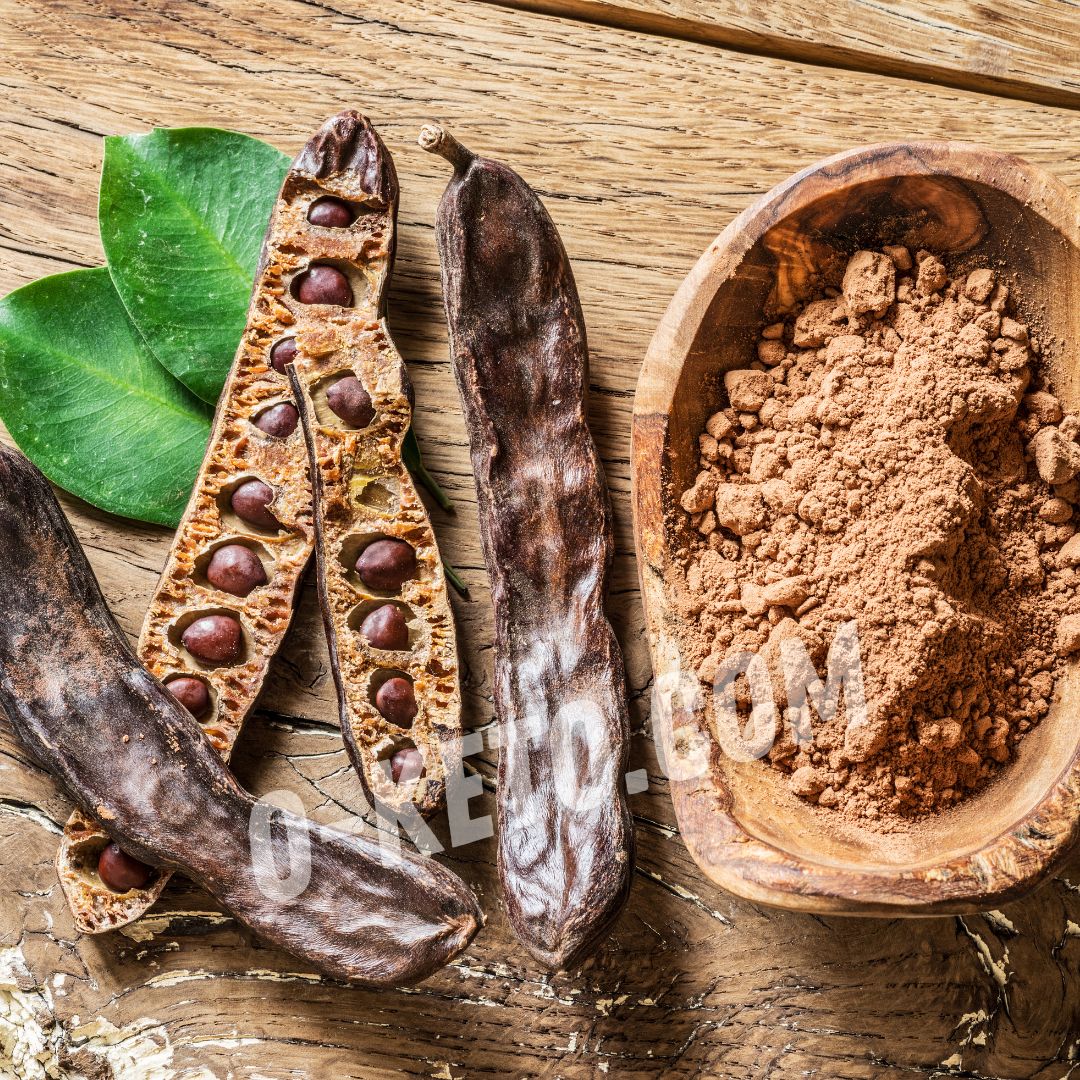

Carob is a powder made from dried pods of the carob tree, Ceratonia siliqua. Its flavor is sweet, caramel-like, softer and less bitter than cocoa. In ordinary cooking, carob is used in drinks, baking, creams, bars and desserts as a cocoa substitute or as its own sweet powder. For keto it needs caution: it may feel “chocolate-like,” but it contains a lot of carbohydrates.
The main difference from cocoa is natural sweetness. Carob contains almost no caffeine or theobromine, so it is sometimes chosen by people who do not want the stimulating effect of cocoa. But this mildness does not make the powder low-carb. In keto recipes, it is more of a flavor accent than a main flour or dessert base.
Nutrition
The older description listed approximate values per 100 g: about 222 kcal, 4.7 g of protein, 0.6 g of fat and up to 89 g of carbohydrates. Some of the carbohydrates are fiber, but available carbohydrates are still high. Carob therefore should not be evaluated like unsweetened cocoa: even a small spoon can add noticeable sweetness and carbohydrates.
The glycemic index of carob is often listed around 30, but a low or moderate index does not remove the carbohydrate amount. For keto, portion matters more: 5-10 g in a large recipe is easier to fit than 20-30 g in one mug or dessert.
Is It Keto-Friendly?
For strict keto, carob is not a staple food. It can be used in a small dose for flavor if it is counted into the daily carbohydrate limit in advance. A 5-10 g portion can be acceptable in a large cream, sauce or baked recipe divided into several servings, but it should not automatically replace cocoa one-to-one.
In moderate LCHF, carob is easier to use, especially in recipes without sugar and flour. It pairs best with a fatty base: cream, mascarpone, cream cheese, unsweetened coconut milk, nut butter or butter. Fat makes the flavor fuller, but the carbohydrates in the powder still need counting.
How to Use It
Carob dissolves well in warm liquids but can clump if added directly to a large volume. It is easier to mix the powder first with a small amount of warm cream, water or melted butter, then combine it with the rest. In baking, sift it with dry ingredients.
Good options include:
- a small amount in mascarpone or cream cheese cream;
- an addition to unsweetened cocoa for a softer flavor;
- sauce for cottage cheese, unsweetened yogurt or a small portion of berries;
- keto sweets with nut butter if carbohydrates are counted;
- a warm drink with cream or unsweetened coconut milk.
Carob and Cocoa
Carob is sweeter but less “chocolatey” than cocoa. Cocoa is usually more bitter and needs sweetener, but it contains fewer natural sugars. If a recipe is designed for cocoa, replacing it with carob changes flavor, color, sweetness and carbohydrates. Often it is better to mix a small amount of carob with cocoa than to replace one with the other completely.
Roasted carob is usually darker and more caramel-like; raw carob is lighter and milder. For drinks and creams, a fine powder without grit is easier. For strict tracking, choose a product without sugar, milk powder, flour, syrups or ready “chocolate” blends.
How to Choose and Store
The ingredient list should contain only carob or carob pod powder. If the product is called a “carob drink” or “dessert mix,” it may contain sugar, starch, milk powder, flavorings and vegetable fats. Such a product needs to be counted separately, not treated as pure carob.
Store the powder dry, tightly closed and away from strong odors. It absorbs moisture easily and can clump. If carob is used rarely, do not keep it near the stove and do not use a wet spoon.
Limits and Substitutes
Carob may not suit people keeping a very low carbohydrate limit or those who easily overeat sweet flavors. Even without added sugar, it keeps a dessert profile in the dish. If it increases the desire for more sweet food, reduce the portion or return to unsweetened cocoa.
Carob can be replaced with unsweetened cocoa, cocoa mixed with cinnamon, vanilla, chicory or a small amount of sweetener. If a caramel note is the goal, a drop of vanilla, a little cinnamon or butter with nut paste may work better than increasing the carob portion.
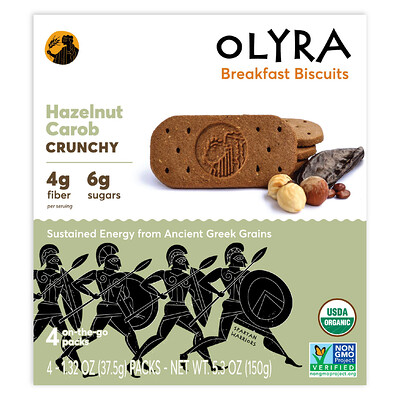
Substitution options in recipes
Cocoa powder. Plus 10% erythritol powder. Carob is naturally sweet; the sweetener addition balances the flavor, while cocoa leaves a chocolate note.


