


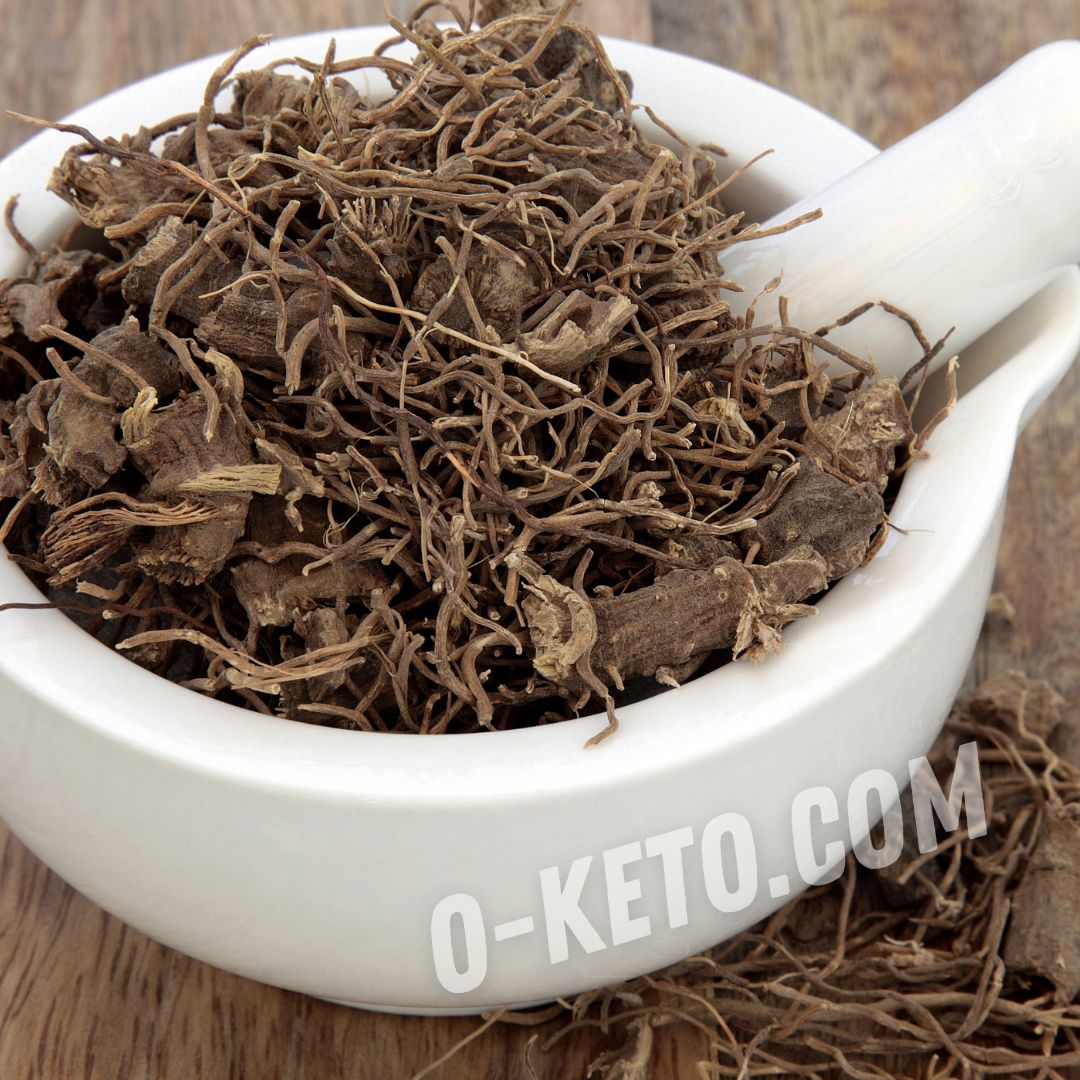

Black cohosh is a perennial plant from the buttercup family, also known as Actaea racemosa or Cimicifuga racemosa. In food terms it is not a vegetable, herb, or spice, but plant material in which the rhizome and roots are usually used. It is most often found in extracts, capsules, tablets, and herbal preparations.
The plant comes from eastern North America, where it grows in moist shady forests. Indigenous peoples used it in traditional practices, and later black cohosh entered herbal manuals and pharmacopoeial descriptions. Today there are many strong claims around it, but for an ordinary reader the key point is simpler: this is active plant material with limitations, not a mild “women’s tea” for unrestricted daily use.
What it contains
Black cohosh rhizomes are described as containing triterpene glycosides, phenolic compounds, organic acids, flavonoids, and other components. Its action cannot be reduced simply to a “plant estrogen”, so broad promises about hormonal effects are inaccurate. Quality products usually use a standardized extract, not a randomly collected root.
Composition depends on plant species, plant part, extraction method, and producer control. This is especially important because mistakes in identification and different concentrations are possible in the herbal supplement market. The names Actaea racemosa, Cimicifuga racemosa, and black cohosh should refer to the expected material, not to similar plants.
Is it suitable for keto?
For keto and LCHF, black cohosh has no food value in the usual sense. In a capsule or unsweetened extract, carbohydrates are usually low, but that does not make the product part of the diet as food. If it is sold as a syrup, chewable pastille, sweet drink, or blend with fillers, the composition should be checked and sugar counted.
Black cohosh is not needed for “balancing” low-carb eating and does not replace protein, fats, electrolytes, vegetables, or normal sleep. If someone uses it as a supplement, that is a separate decision that should take into account wellbeing, medicines, and risks.
How it is used
Modern products most often contain standardized rhizome extracts. Forms vary: capsules, tablets, liquid extracts, and less often tea blends. The dose depends on the specific product, concentration, and producer’s instructions. A universal “spoon of herb” is a poor guide here because material strength can differ noticeably.
If the product is being tried for the first time, several new supplements should not be added at once. This makes personal tolerance easier to understand. The dose also should not be increased only because the effect is not felt immediately: herbal products may take time, and side reactions often depend on dose and combinations.
Limitations and risks
Black cohosh is not suitable during pregnancy, breastfeeding, or for children without professional direction. Caution is needed with hepatic conditions, unusual fatigue, dark urine, pain in the right upper abdomen, or yellowing of skin or eyes; with such signs, use should stop and medical help should be sought. Rare reports of altered hepatic markers associated with black cohosh products are discussed in the literature, so this risk should not be ignored.
Abdominal discomfort, headache, nausea, rash, dizziness, and individual reactions are possible. Special caution is needed with hormonal medicines, products that burden hepatic enzymes, anticoagulants, and any regular medication. With conditions sensitive to hormonal status, independent use of black cohosh is also inappropriate.
How to choose
Choose a product with the Latin name Actaea racemosa or Cimicifuga racemosa, the plant part, dose, standardization, and producer clearly stated. Material of unknown origin, powders without labeling, and blends with loud promises are better avoided. For keto, also check carriers: sugar, syrups, maltodextrin, starch, and sweet flavored forms.
How to store it
Capsules, tablets, and dry material are kept in a dry dark place, tightly closed and away from children. Liquid extracts are stored according to instructions; sometimes refrigeration is needed after opening. If smell, color, or consistency changes noticeably, the product should not be used.
What can replace it?
The replacement depends on the reason for use. If the question is keto nutrition, black cohosh does not need replacement: it is not a food component. If symptoms or wellbeing are involved, a doctor or relevant specialist should choose an alternative. Among ordinary food and lifestyle measures, people often start with sleep, enough protein, electrolytes, tolerable strength training, and stress control, but these are not direct equivalents of black cohosh.


