


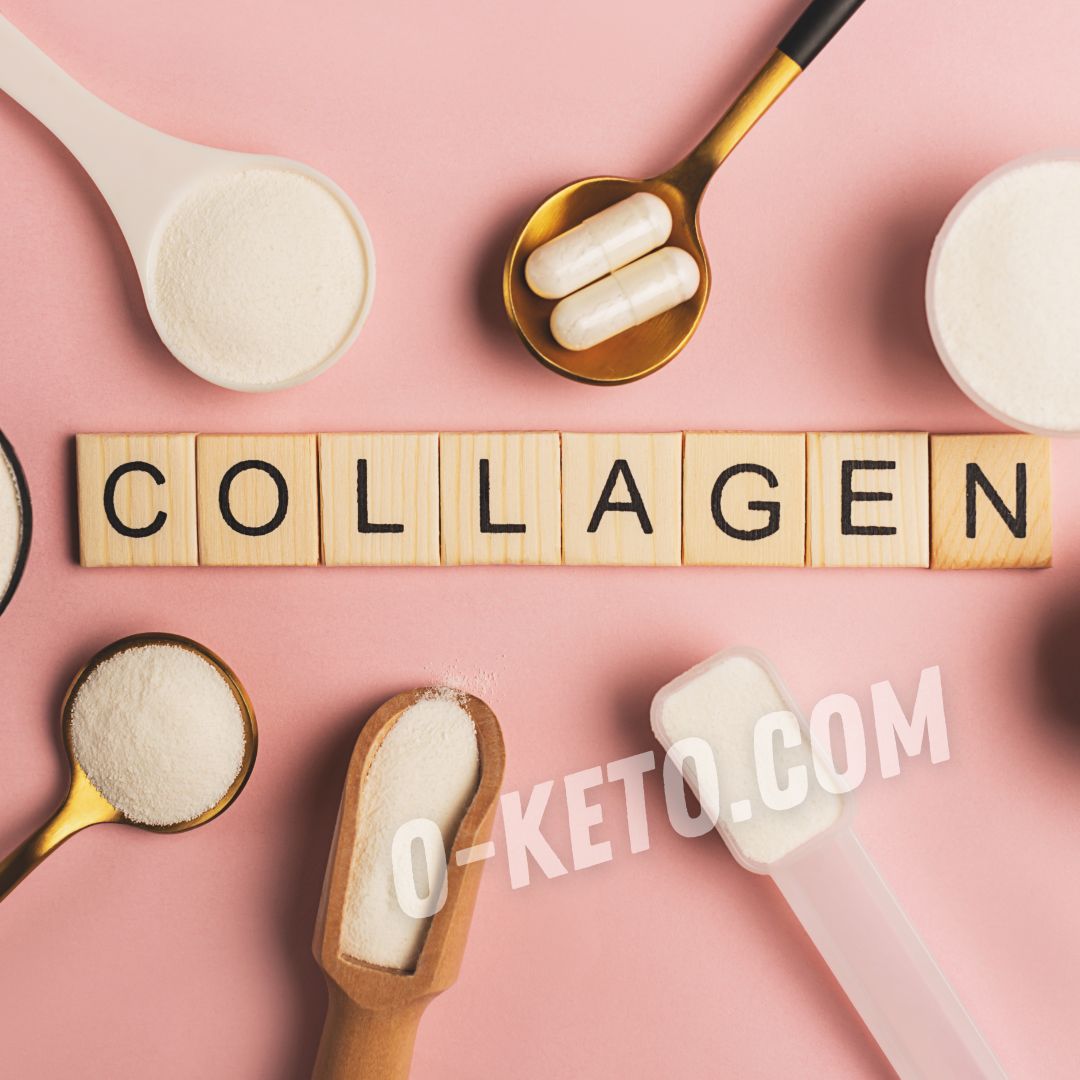

Collagen powder is a dietary supplement made from hydrolyzed collagen, usually sourced from bovine, marine, porcine or chicken raw material. Hydrolysis means the protein has been broken into shorter peptides, so the powder dissolves more easily in water, coffee, broth, sugar-free smoothies or creamy desserts.
Collagen is a structural protein naturally present in skin, connective tissue, bones, cartilage and ligaments. In food use, collagen powder is mainly a source of specific amino acids and a neutral protein addition. It does not replace a varied protein diet, but it can be convenient when protein is needed without sugar and starch.
Nutrition
Exact values depend on the brand, but a serving of collagen peptides usually provides 10-20 g of protein and almost no fat or carbohydrates. The older description mentioned a tablespoon with about 20 g of protein; in practice this depends on powder density and scoop size, so the label of the specific package matters.
Collagen is rich in glycine, proline and hydroxyproline. At the same time, it should not be treated as a full replacement for meat, fish, eggs or dairy, because its amino acid profile is limited and it is low in some essential amino acids. When counting daily protein, collagen is best separated from the main protein of meals.
Pure powder usually has no carbohydrates or only trace amounts. Flavored versions, however, may contain sweeteners, cocoa, cream powder, milk powder, inulin, thickeners or sugar. For keto, a plain unflavored powder is safer, or the ingredient list should be checked carefully.
Is It Keto-Friendly?
Collagen powder usually fits keto and LCHF easily because it adds almost no carbohydrates. It is convenient in coffee, unsweetened cocoa, bone broth, unsweetened yogurt, creams and baked goods where extra protein is needed without flour.
It is important not to turn collagen into the main protein source. In a keto diet, the base should still come from meat, fish, poultry, eggs, seafood, cheese or other foods with a complete amino acid profile. Collagen can be an addition to them, not a replacement for a proper meal.
How to Use It
Most hydrolyzed powders dissolve well in warm drinks. In cold water, some brands clump, so it can be easier to stir the powder into a small amount of warm liquid first and then add the rest. The neutral taste allows it to be used in both sweet and savory recipes.
Practical options include:
- coffee or unsweetened cocoa with cream;
- bone broth or chicken broth when a denser drink is needed;
- unsweetened Greek yogurt with cinnamon and a small portion of berries;
- keto mousses, creams and cheesecakes without wheat flour;
- sauces where the powder should not add a strong flavor.
How to Choose
On the package, look for the source of the raw material, protein per serving, the ingredient list and any third-party quality testing if listed. Marine collagen may have a more noticeable smell, while bovine collagen is often more neutral, but the exact flavor depends on purification and producer.
If the product is needed for drinks, solubility matters. If it is for baking, flavor stability under heat and absence of unnecessary flavorings matter. “Beauty” blends often contain vitamins, acids, sweeteners and flavors; this is not always a problem, but such products are harder to track.
Limits and Storage
Collagen may not suit people allergic to its source material: fish, beef, pork or chicken. People with kidney-related limits, prescribed protein restriction or a complex prescribed diet should discuss protein supplements individually.
Keep the powder dry, tightly closed and away from steam. Do not store the jar near the stove or use a wet spoon: moisture damages the texture and can speed spoilage. Collagen as a protein addition can be replaced with whey isolate, egg white protein, sugar-free protein powder or ordinary foods, but their amino acid profiles will be different.
Serving and Pairing With Food
Collagen is usually added by the scoop, but starting with half a serving can help assess flavor, solubility and digestive tolerance. In coffee with cream it barely changes texture, in broth it makes the drink denser, and in yogurt it can create a thicker consistency. If the powder clumps, a shaker or brief mixing with warm liquid helps.
Collagen does not have to be a sweet product. It can be used in savory sauces, blended soups, creamy dressings and meat broths. This is useful for people who do not want to increase desserts but still want to use a purchased powder in ordinary meals.
Substitution options in recipes
Gelatin. Hydrolyzed gelatin in a one-to-one ratio. Plus 5% vitamin C. Hydrolysis of gelatin produces peptides up to 5 kDa, similar to collagen isolate. The addition of ascorbic acid accelerates the body's own collagen synthesis; in cold drinks, dissolve the powder in warm water, otherwise it clumps.


