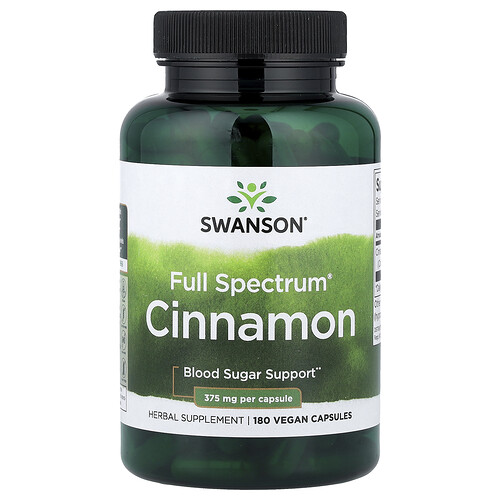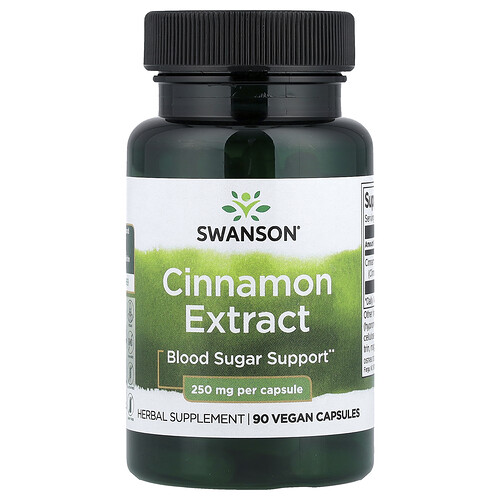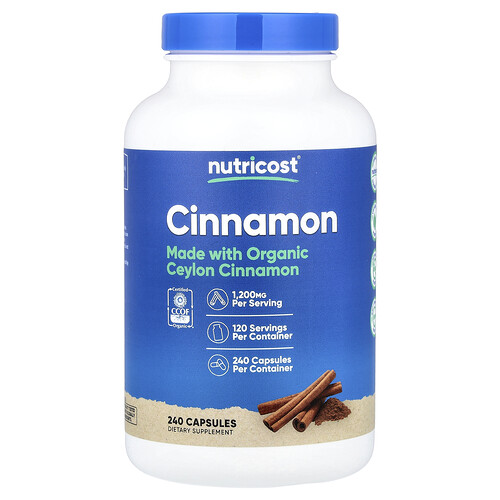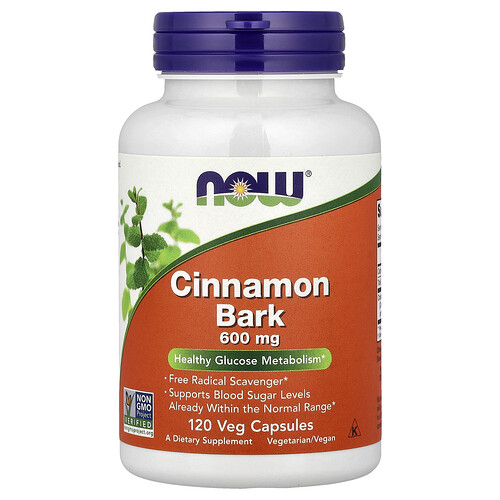

Cinnamon is a spice made from the inner bark of trees from the Cinnamomum genus. It is valued for its warm sweet-woody aroma, mild sharpness, and ability to create a sense of sweetness even without sugar. Sticks are used for drinks, stews, and flavoring sauces; ground cinnamon is used in sugar-free desserts, cottage cheese dishes, coffee, cocoa, nuts, marinades, and spice blends.
The two most common types are Ceylon cinnamon and cassia. Ceylon is usually finer in aroma, softer, and lighter; its sticks are layered and brittle. Cassia is denser, sharper, darker, and cheaper. Its flavor is stronger, but coumarin content is usually higher, so Ceylon cinnamon is preferable for frequent use in larger amounts.
Nutritional value
In 100 g of ground cinnamon there is a lot of fiber and carbohydrates by table values, but that number has little practical meaning: a usual serving is a pinch, a quarter teaspoon, or 1–3 g. In that dose, the calorie and carbohydrate contribution is small. The glycemic index of the spice itself is low, but the final dish depends on what it is mixed with.
Cinnamon contains aromatic compounds, polyphenols, manganese, and small amounts of calcium, iron, and other minerals. These substances explain part of its flavor and color, but the spice does not replace normal food and should not be used as a standalone supplement in large doses. In cooking, aroma, portion, and raw material quality matter more.
Is it suitable for keto?
For keto and LCHF, cinnamon works as a spice. It helps make desserts, drinks, and dairy dishes taste more “sweet” without sugar, syrups, or flour. It is added to coffee with cream, sugar-free cocoa, chia pudding, cottage cheese, Greek yogurt, nut mixes, keto baking, casseroles, and meat sauces.
The main trap is not cinnamon itself, but ready blends. “Baking cinnamon”, drink powders, and sweet spice mixes often contain sugar, dextrose, starch, milk powder, or flavorings. For strict counting, it is better to take pure ground cinnamon or sticks and control the sweetener separately.
How to use it
Ground cinnamon releases aroma quickly, so it is convenient in finished drinks, creams, dough, and toppings. A stick opens more slowly: it is placed in tea, coffee, sugar-free mulled drinks, stewed meat, sauces, broths, and creamy mixtures, then removed. In a fatty base, the aroma becomes softer and deeper.
Cinnamon pairs well with vanilla, cardamom, cloves, nutmeg, ginger, cocoa, coffee, cream, butter, nuts, almonds, coconut, apple in a small portion, pumpkin, lamb, and poultry. In savory dishes, very little is needed: excess gives dusty bitterness and makes flavor heavy.
If cinnamon goes into baking, it is better mixed with dry ingredients so dark bitter clumps do not form. For coffee and cocoa, it is convenient to first rub a pinch with cream or a little hot liquid, then combine it with the rest of the drink.
How to choose
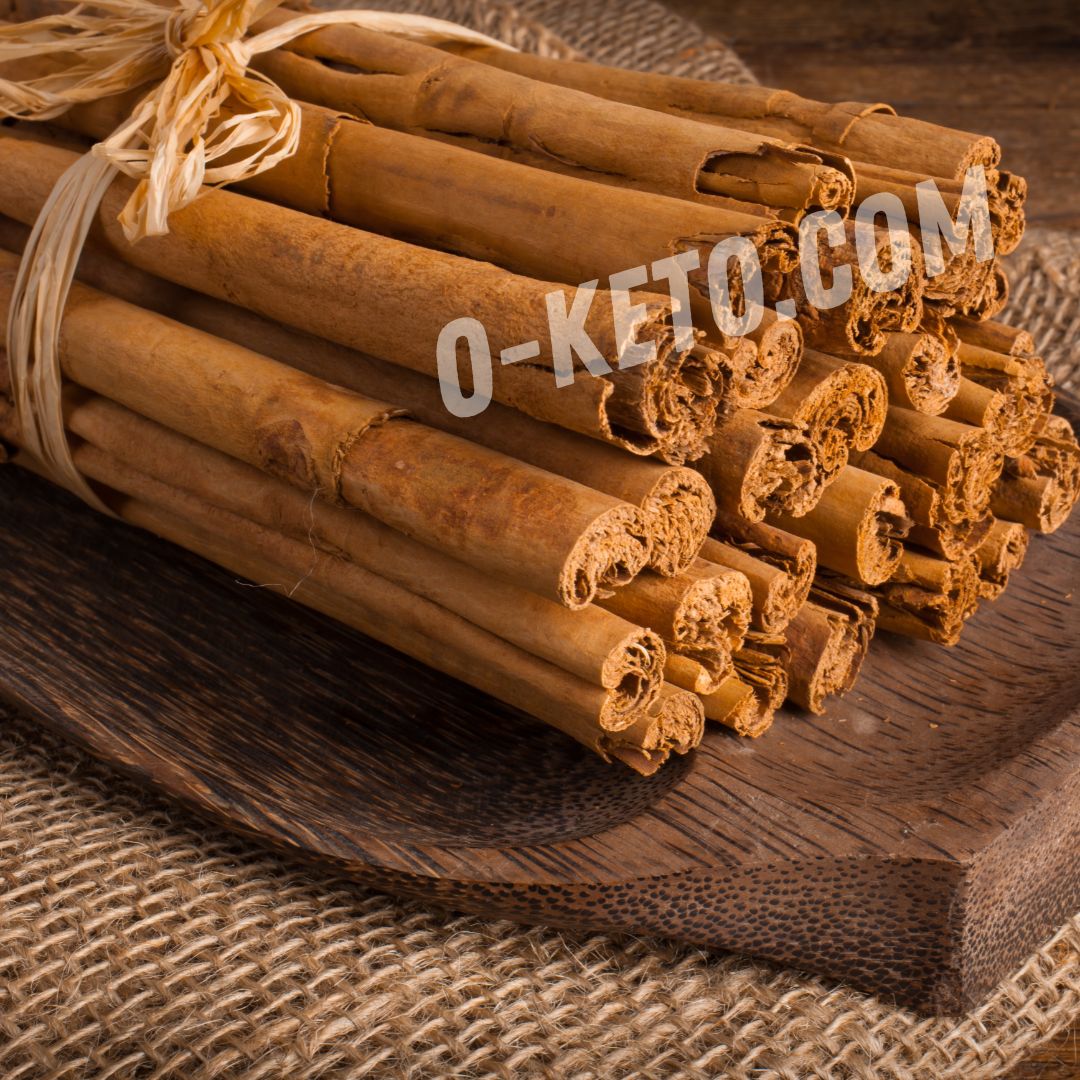
Fresh ground cinnamon smells warm, clear, and sweet, without mustiness or dampness. A very cheap powder may be coarse, dusty, and quick to lose aroma. Sticks should be dry, without mold, foreign odor, or moisture traces. Ceylon sticks look like many thin layers, while cassia is more often rolled into a thick dense tube.
If cinnamon is used every day, a small package and, when possible, Ceylon type are better. Cassia can work for occasional baking, but the serving should not be large. The labels Ceylon cinnamon, Cinnamomum verum, or Cinnamomum zeylanicum usually indicate Ceylon cinnamon; Cinnamomum cassia indicates cassia.
Limitations
Cinnamon may irritate mucous membranes, intensify heartburn, or cause unpleasant burning if eaten by spoonfuls or added to very concentrated drinks. Cassia contains more coumarin, so constant large portions are undesirable. Caution is needed during pregnancy, when taking medicines, and with spice sensitivity.
Cinnamon essential oil is a separate product, much more concentrated and not equal to ground spice. It should not automatically be used instead of powder in food or applied to skin without understanding dilution and limits.
How to store it
Ground cinnamon is kept in a tightly closed jar, in a dark dry place, away from the stove and steam. Sticks keep aroma longer than powder. If the smell has become weak, the color dull, and the taste dusty, the spice has not necessarily made a dish unsafe, but it has almost no culinary value left.
What can replace it?
For warm sweet spice, cardamom, a mix of ginger and nutmeg, a very small amount of clove, sugar-free gingerbread spice, or vanilla can work. For savory meat dishes, allspice, star anise, coriander, or a little smoked paprika may be used, but the taste will be different.
Research Notes
Cinnamon is interesting because it creates a sweet impression without sugar and is also studied in relation to carbohydrate metabolism. Research often discusses cinnamon and water-based cinnamon extracts in the context of post-meal glucose, insulin sensitivity, blood lipids, and oxidative stress markers. In low-carb cooking, this makes it useful in desserts, drinks, cottage cheese dishes, nut mixes, and sauces.
Another practical aspect is the antimicrobial potential of cinnamon’s aromatic compounds. This is not a reason to use cinnamon as a substitute for proper hygiene and storage, but it helps explain why it has long been included in spiced drinks, marinades, and fermented foods. In recipes, it pairs well with ginger, cloves, cardamom, vanilla, nutmeg, and citrus.
Limits
It is important to distinguish culinary use from high doses. If cassia is used, coumarin matters: with frequent large amounts, Ceylon cinnamon is a better choice, or the dose should stay moderate. Cinnamon supplements deserve caution during pregnancy, with liver disease, and when taking glucose-lowering medication or anticoagulants.
Cassia and Ceylon cinnamon
Two related products are commonly sold as cinnamon: cassia and Ceylon cinnamon. Cassia usually contains much more coumarin, so Ceylon cinnamon is preferable when large amounts are used every day. A culinary pinch is not a reason to fear cinnamon, but the source matters for regular drinks and supplements.