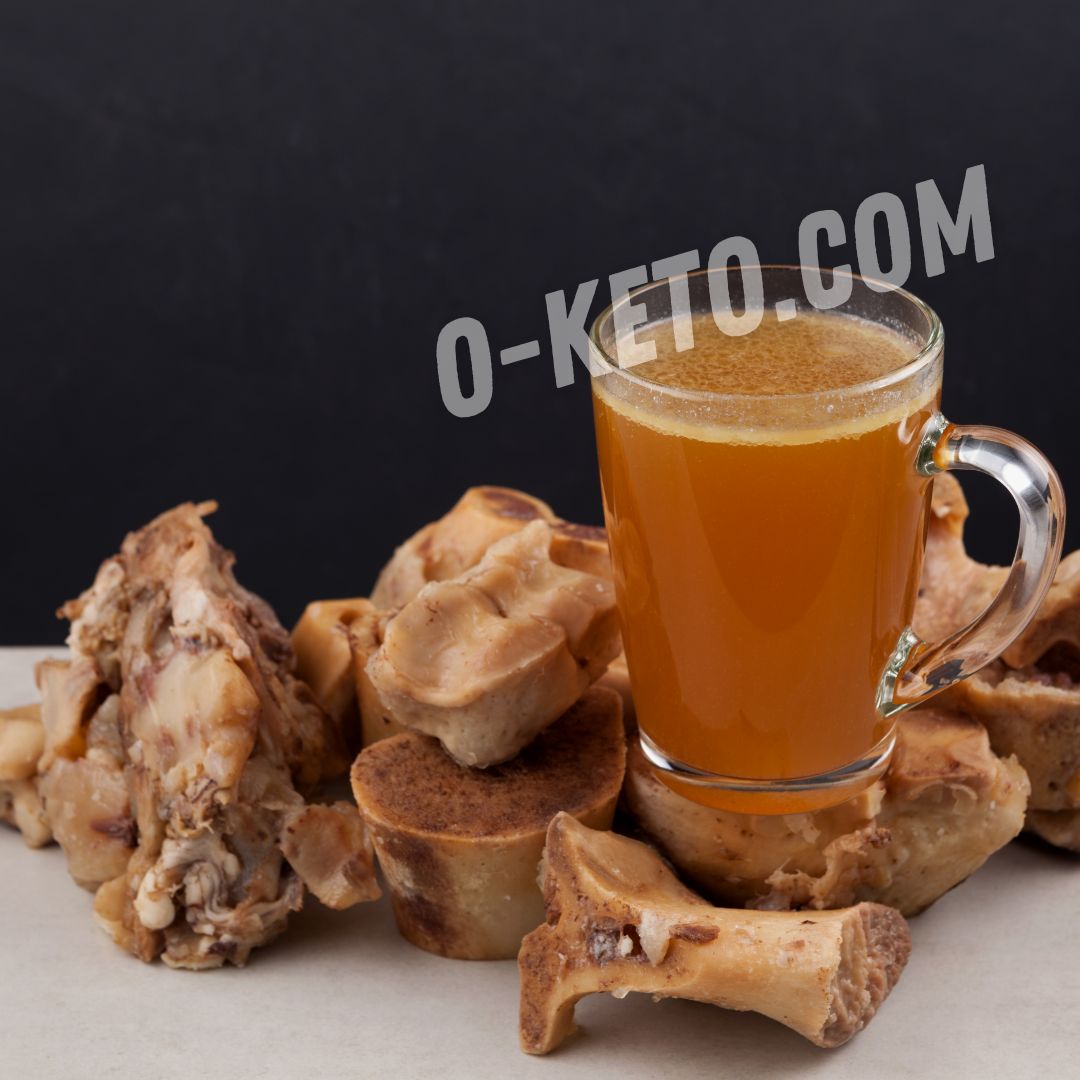

Bone broth is a stock made by slowly simmering bones, cartilage, joint parts, and sometimes a small amount of meat. Beef, chicken, turkey, lamb, or fish bones can be used. During slow cooking, gelatin, glycine, proline, some minerals, and the flavor of roasted or raw bones move into the liquid. The result depends on the raw material, cooking time, water amount, and added vegetables.
This broth differs from a quick stock in density and texture. If the bones included plenty of connective tissue, the cooled broth may set like a soft jelly. That is not the only sign of quality, but it does show that gelatin is present. In cooking, bone broth is used as a drink, a soup base, a sauce base, a braising liquid, and a foundation for low-carbohydrate first courses.
Nutritional value
The numbers vary widely. A light homemade broth may provide about 10 kcal per 100 ml, while a concentrated broth with meat and fat will be richer. It is usually low in carbohydrates, moderate in gelatin-type protein, and variable in fat. If the fat is removed after chilling, calories are lower; if fat is left in or cream, butter, or marrow is added, calories rise.
Bone broth may contain glycine and proline, along with calcium, magnesium, phosphorus, and other minerals in small amounts. It should not be treated as a vitamin replacement for real meals. Its strengths are flavor, a warm liquid base, usefulness in soups and sauces, and the ability to add a salty sugar-free drink to the menu.
Is it suitable for keto?
For keto and LCHF, bone broth usually fits if it does not contain potatoes, grains, flour, sugar, sweet sauces, or starch. It adds almost no carbohydrates and pairs well with meat, eggs, herbs, cream, mushrooms, cabbage, zucchini, and cauliflower. A 250–350 ml serving is often convenient as a hot drink or soup base.
Ready-made products require label reading. Broth drinks may contain maltodextrin, yeast extract, sugar, starch, flavorings, vegetable oils, or too much salt. For a strict low-carbohydrate menu, it is easier to choose broth with a short ingredient list: water, bones, meat parts, salt, spices, and a small amount of vegetables.
How to cook it
For deeper flavor, bones can be browned in the oven first, then covered with cold water and simmered gently. Chicken bones usually take 4–8 hours, beef bones 8–24 hours, and fish bones much less, often 1–2 hours. Strong boiling makes broth cloudy and harsh; gentle simmering gives a cleaner taste.
A small amount of acid, such as vinegar or lemon juice, is sometimes added at the start. Vegetables are best used moderately: onion, celery, and carrot for aroma, but not so much that the broth becomes a high-carbohydrate vegetable stew. Salt is easier to adjust near the end because liquid evaporates and flavor becomes more concentrated.
How to use it
Bone broth can be drunk hot with salt, pepper, bay leaf, ginger, or herbs. In keto cooking, it works for soup with egg, mushrooms, cauliflower, chicken, beef, konjac noodles, or herbs. It can be used to braise meat, make flourless sauces, and thin thick dishes instead of water.
If more fat is wanted, butter, ghee, cream, or a little marrow can be added to the cup. This changes the calorie value, so it is best counted separately. For a lighter version, remove the fat after chilling.
How to choose
For homemade broth, choose bones with joints, cartilage, tails, shanks, wings, carcasses, and necks. Bare marrow bones alone give less gelatin and less flavor. The raw material should have no sour smell, gray coating, or signs of thawing and refreezing.
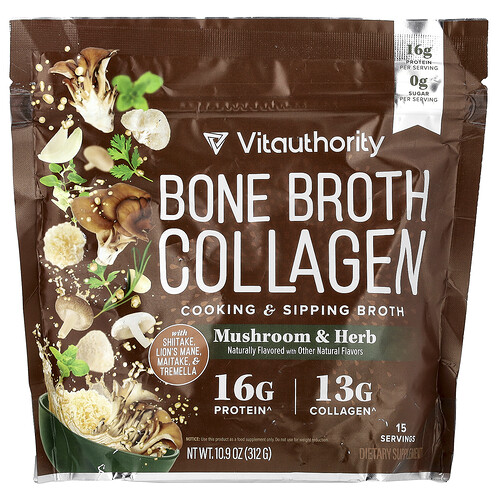
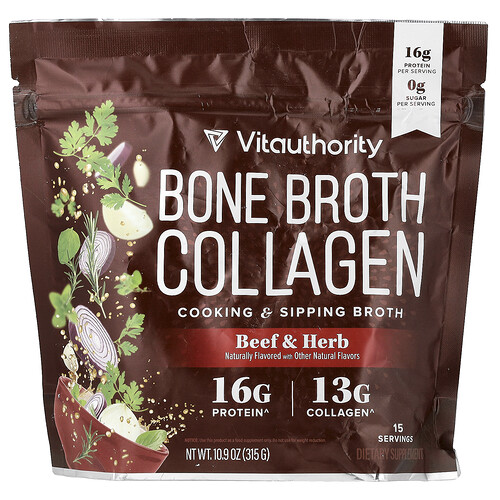
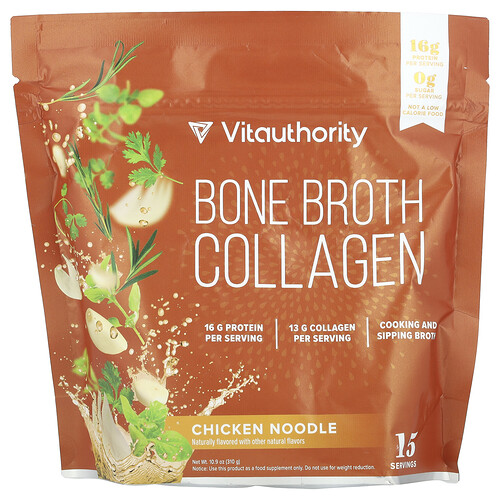
In ready-made broth, check protein, carbohydrates, salt, and ingredients. Concentrates and powders can be convenient, but often contain extra additives. If the product gels slightly after chilling, that is a nice plus, but lack of gel does not always mean poor broth; it may simply be less concentrated.
Limitations
Broth can be salty, so people limiting sodium should choose an unsalted base and salt their portion themselves. With histamine sensitivity, long-simmered products may be tolerated worse than freshly cooked food. In that case, start with a small serving and watch the response.
Bone broth does not replace a protein meal. It may contain a lot of gelatin, but its protein profile is incomplete. For a full meal, add meat, fish, eggs, or another protein source.
How to store it
Cool finished broth quickly and keep it in the refrigerator in a closed container. A fat layer on top may protect the surface a little, but it does not remove the storage limit. For longer storage, freeze broth in portions: containers, bags, or ice cube trays.
Do not reboil the whole pot every day. It is better to heat only the needed portion. If sour smell, gas, mold, or strange sliminess appears, discard the broth.
What can replace it?
For soup and braising, use meat, chicken, fish, or mushroom broth without sugar and starch. For a drink, options include salted vegetable stock with butter, a small portion of miso if the ingredients fit, or hot water with salt and spices. Plain food gelatin can partly give a similar texture, but it does not repeat the taste of bone broth.