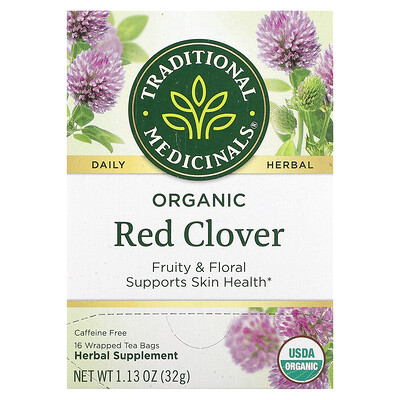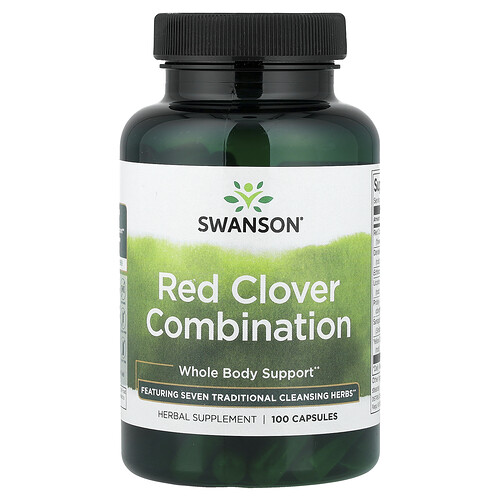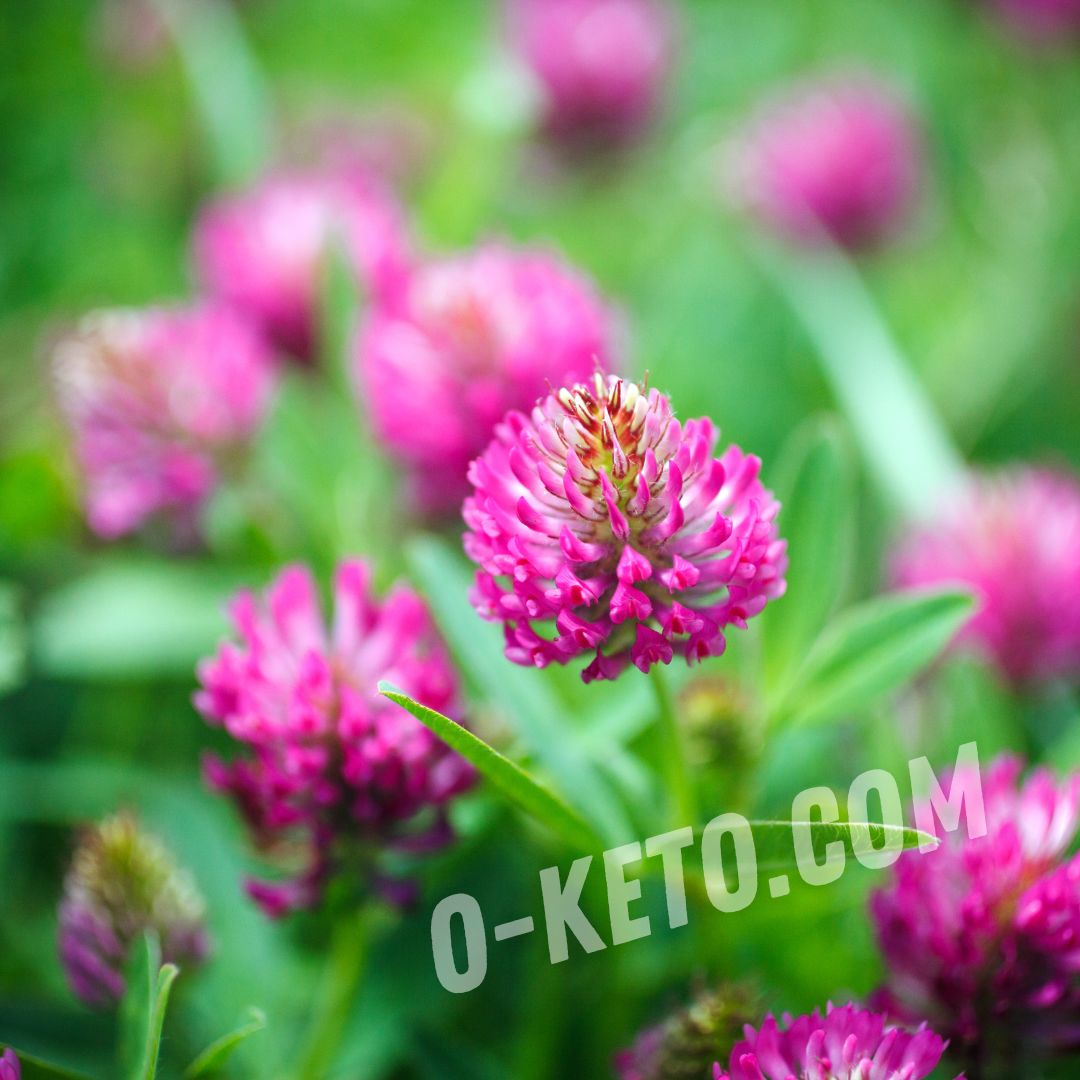

Red clover, or Trifolium pratense, is a perennial meadow plant from the legume family. In food and tea contexts, the flower heads are used most often, and young leaves less often. Fresh flowers have a mild grassy taste with light sweetness, while dried flowers give an infusion with a meadow aroma, gentle astringency, and a soft floral background.
Red clover is often discussed because of isoflavones and other plant compounds. That does not make it a replacement for medical follow-up or a universal daily supplement. In the diet, it is more sensible to view it as herbal tea or a small seasonal green: a product with its own flavor, limits, and quality questions.
Nutrition
Fresh red clover leaves and flowers are low in calories and contain water, fiber, a little protein, vitamin C, potassium, calcium, magnesium, iron, flavonoids, and isoflavones. Exact values depend strongly on the plant part, age of shoots, and growing conditions. For dried flowers, per-100 g tables are not very practical because a cup usually needs only 1-2 teaspoons of herb.
An unsweetened infusion contains almost no calories or carbohydrates. If fresh leaves are added to a salad, the serving is usually small and closer to a herb than to a main vegetable. It is more important to watch raw material quality, absence of sugar in the drink, and personal tolerance than to focus on macronutrient grams.
Place in keto and LCHF
Unsweetened red clover tea can fit keto and LCHF: a cup does not add meaningful carbohydrates if it is not sweetened with honey, syrup, or sugar. Fresh leaves and flowers in small amounts should also not change the carbohydrate load of a meal much. Smoothies with fruit, sweet herbal syrups, and ready-made clover drinks are a different matter.
For stricter keto, use red clover as an aromatic element: an infusion, part of a sugar-free herbal blend, or a few young leaves in a salad. It does not replace protein, fats, electrolytes, or normal food. If the drink is used as an evening routine, it can be paired with mint, lemon balm, chamomile, or lemon zest without sweet additions.
How to use
For an infusion, use about 1-2 teaspoons of dried flowers per cup of hot water and steep for 5-10 minutes. A very strong infusion may become rough and grassy. Mint, thyme, lemon zest, a small amount of rosehip, or black tea can soften the taste or make the drink fuller.
Young leaves and flowers can be added to salads, but only when the plant is clearly identified, gathered from a clean place, and not treated with chemicals. Clover pairs with cucumber, leafy greens, goat cheese, eggs, olive oil, and an acidic dressing. Stems of mature plants are coarse and usually not used.
How to choose
Dried red clover should smell clean, grassy, and lightly floral, without mold, dampness, or mustiness. The flowers do not have to be bright, but very brown material with dust and crumbs usually has weaker aroma. The package should not contain insects, damp clumps, or foreign plants.
If you gather clover yourself, avoid roads, industrial areas, treated lawns, and fields after agrochemical use. Collect only plants you can identify confidently. For regular tea, it is more convenient to buy food-grade material from a producer that states the plant part, packing or harvest date, and storage conditions.
Limits
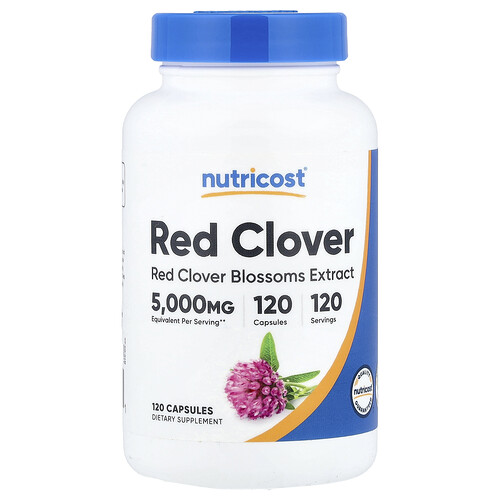
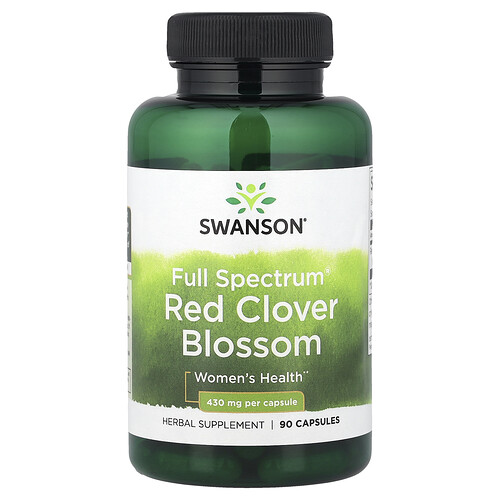
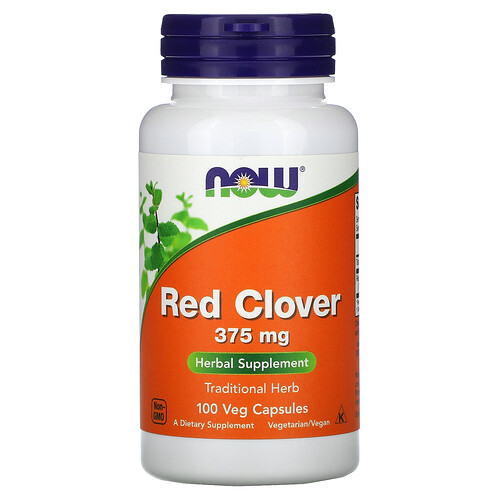
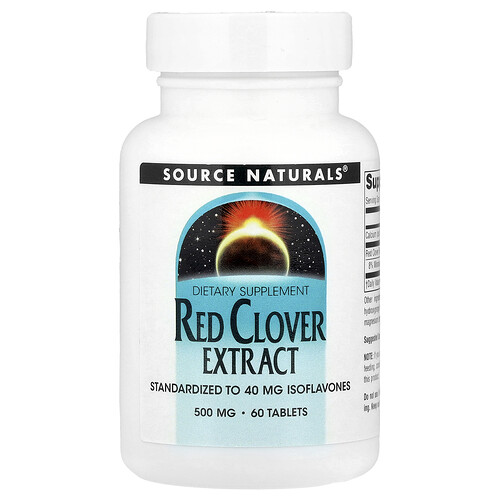
Red clover contains isoflavones, so pregnant or breastfeeding people, children, people with hormone-sensitive conditions, and anyone using hormone-related products, anticoagulants, or preparing for surgery should not use concentrated forms without professional guidance. This applies especially to extracts and capsules, not to an occasional pinch of herb in a blend.
Individual reactions, stomach discomfort, or skin reactions are possible. If the infusion feels unpleasant, increasing strength or frequency is not the answer. In a keto diet, red clover should remain herbal tea or a flavor green, not a way to compensate for a monotonous menu.
Storage and substitutes
Keep dried flowers in a tightly closed jar in a dark dry cupboard, away from steam, spices, and direct sunlight. Herbs absorb odors quickly and lose aroma in light. If the material becomes damp, smells moldy, or changes color in patches, discard it.
For herbal tea, red clover can be replaced with mint, lemon balm, chamomile, thyme, linden blossom, or rooibos if you need a caffeine-free cup. In salads, young arugula, cress, a little sorrel, parsley, and microgreens are closer. The right substitute depends on the task: floral infusion, fresh greens, or light astringency.