


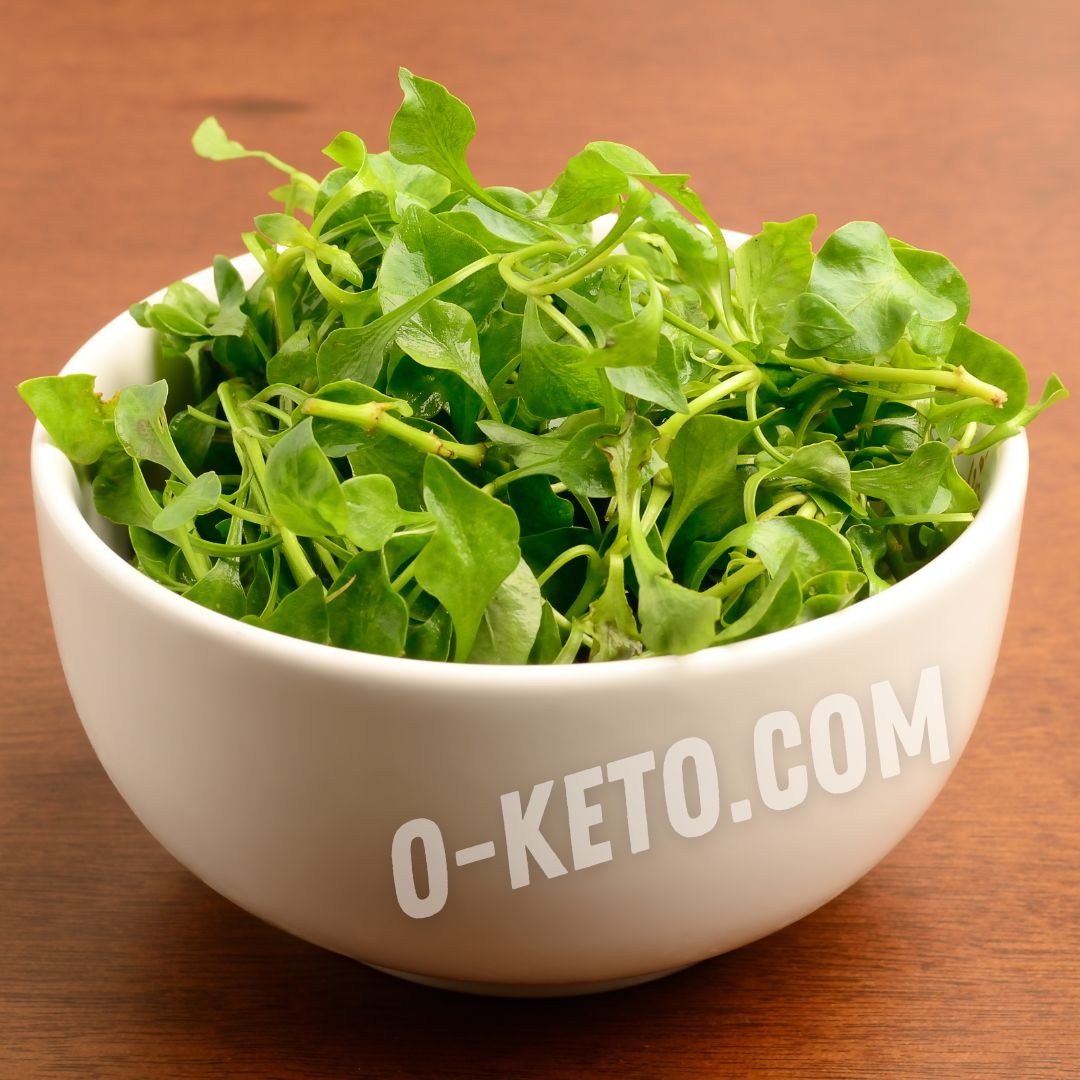

Cress is a young peppery green with thin stems, small leaves and a bright sharp flavor. It is usually eaten raw: added to salads, eggs, cottage-cheese spreads, fish, meat, soups already served in the bowl and savory breakfasts. When heated, it quickly loses crunch and fresh aroma, so in warm dishes it is best used as a final accent.
Similar names may refer to different plants: garden cress, watercress and cress microgreens. Their culinary role is close, but their juiciness, sharpness and storage life are not identical. Garden cress is usually sharper and drier, watercress is juicier, and microgreens are convenient for bread-free sandwiches, bowls and quick garnishes.
Nutrition
Cress is a low-calorie leafy green. Per 100 g it usually contains about 2 g of protein, around 0.1 g of fat and roughly 1-2 g of carbohydrates, some of which are fiber. A real serving is usually smaller: 10-30 g is enough to change the flavor of a dish while adding almost no carbohydrate load.
It contains vitamin C, provitamin A, vitamin K, folate, potassium, calcium, iron and magnesium. These nutrients do not make cress a standalone base of the diet, but they explain why a small handful of greens pairs well with dense protein and fat-rich foods.
The glycemic index of this type of green is low, roughly around 15. Glycemic load in a normal serving is minimal because cress is eaten as a fresh accent rather than a large side dish. For strict carbohydrate tracking, sauces, crispbreads, sweet dressings and fruit beside it matter more than the greens themselves.
Is It Keto-Friendly?
Cress fits keto and LCHF very well. It brings sharpness, volume and freshness without sugar, starch or heavy calories. It works especially well when a dish needs contrast: omelet, fried eggs, salad with avocado, fatty fish, pate, cheese, cottage cheese, chicken or cold beef.
This green makes rich foods taste lighter. Cream cheese with cress, lemon juice and salt becomes a spread for cucumber or lettuce leaves. In egg salad with sugar-free mayonnaise, cress can replace part of the onion and add piquancy without sweetness.
How to Use It
Add cress at the very end. It should not be mixed with salt and liquid dressing too early: the leaves wilt quickly and the stems lose crunch. If it is packed for lunch, keep the dressing separate and add it just before eating.
Good pairings include:
- eggs, omelets, boiled eggs and homemade sugar-free mayonnaise;
- salmon, mackerel, sardines, tuna and other fatty fish;
- cottage cheese, cream cheese, ricotta, sour cream and thick unsweetened yogurt;
- cucumber, avocado, radish, lettuce and celery;
- beef, chicken, turkey, roasted mushrooms and cold meat appetizers.
How to Choose and Store
Fresh cress looks lively: the leaves are not slimy, the stems are not blackened, and the smell is clean without sour notes. With microgreens, check the growing mat: excess moisture, mold or a harsh odor means the package is best avoided. Cut greens keep worse than plants still on their substrate.
At home, keep cress in the refrigerator, loosely wrapped in a paper towel or in a container with some airflow. Wash it right before use, not in advance. Extra water speeds spoilage and dilutes the flavor.
Limits
Cress contains vitamin K, so people taking anticoagulants should keep their intake of leafy greens consistent and discuss major diet changes with a clinician. With sensitive digestion, sharp greens may irritate the stomach, especially on an empty stomach or in a large serving.
The closest substitutes are other peppery greens: arugula, mustard microgreens, radish microgreens, young spinach with black pepper, green onion or parsley. Zucchini, cauliflower and other vegetables do not provide the same sharp herbal flavor, so they are not equivalent replacements.
Serving and Role in a Dish
Cress is rarely weighed at home, but for precise cooking this can be useful: a small pinch gives aroma, while a full handful noticeably changes the texture of a salad. If the dish is rich or dense, more greens can be used; if the base is delicate, such as eggs or cottage cheese, add cress gradually so the peppery note does not dominate.
For children or people who dislike sharp greens, cress can be mixed with milder leaves. This keeps the fresh accent while softening the bite. In sauces, it is better chopped with a knife rather than blended for a long time: heavy blending makes the greens darken faster and can bring out rough bitterness.


