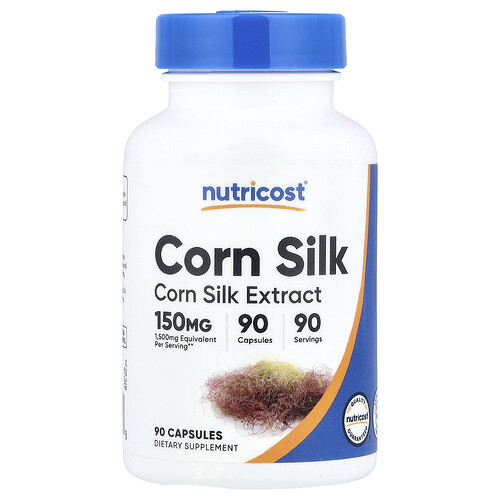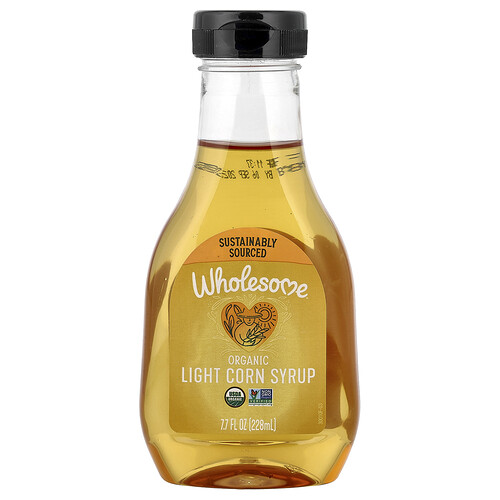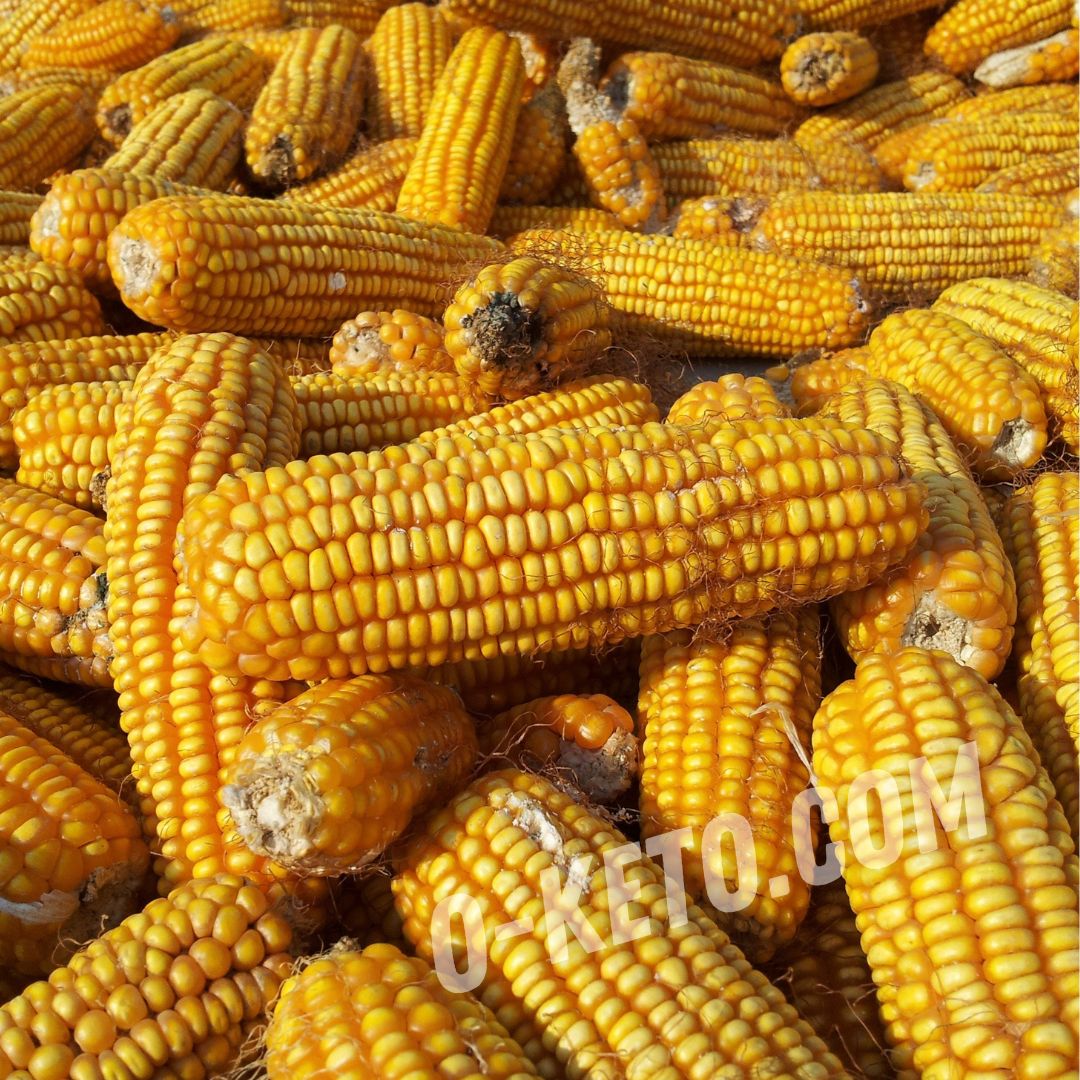

Corn is a grain crop that comes from Mesoamerica. In food it appears in many forms: fresh ears, kernels, grits, flour, starch, popcorn, flakes, syrup, oil, and canned mixes. Young corn tastes sweet; mature corn is starchier and denser.
In ordinary cooking, corn is very versatile: it is boiled, grilled, added to salads, soups, stews, tortillas, porridges, and sauces. For low-carb eating it is difficult because the main part of the kernel is starch. Even when the portion looks small, carbohydrates add up quickly.
It is important to separate product forms. Fresh kernels, corn flour, starch, syrup, and flakes behave differently in recipes, but almost all are high in carbohydrates. Corn oil is a separate product: it is a fat without carbohydrates, but it no longer gives the flavor and texture of the kernel.
Nutritional value
In 100 g of fresh kernels there are usually about 80–100 kcal, 3–4 g of protein, 1–2 g of fat, and roughly 18–22 g of carbohydrates. In dry grits, flour, and popcorn, values per 100 g are much higher because water has been removed. Canned corn may contain salt, sugar, or sweet packing liquid.
Corn provides fiber, potassium, magnesium, phosphorus, folate, vitamin B6, and carotenoids, especially in yellow varieties. But these come together with starch. In a keto assessment, the main point is therefore not the vitamin list, but serving size and product form.
Is it suitable for keto?
For strict keto, corn usually does not fit. Corn on the cob, grits, flour, tortillas, polenta, popcorn, and corn flakes can easily push a dish beyond a low-carb limit. A small spoonful of kernels in a large salad is theoretically possible, but it is more of a garnish than a base.
If sweet crunch is wanted in a keto dish, cucumber, a moderate amount of sweet pepper, young cabbage, radish, celery, or a little onion are easier choices. If thickening is needed, xanthan, guar, gelatin, psyllium, or reducing the sauce are more common than cornstarch.
How to use it
In ordinary cooking, fresh ears are boiled or grilled, while kernels are added to salsa, salads, soups, and vegetable mixes. Corn flour is used for tortillas, coating, and porridge; starch for thickening sauces; popcorn as a separate snack. For keto, almost all of these require replacement or a very small amount.
If corn is still used in a low-carb dish, the portion is better weighed. Kernels should be an accent among protein, fat, and low-starch vegetables. Sweet sauces, honey, syrups, ready Mexican-style mixes, and breading sharply increase the carbohydrate load.
How to choose
A fresh ear should have plump juicy kernels, green leaves that are not dried out, and a clean smell. Kernels should not be shriveled, slimy, or moldy. For canned products, check the ingredients: water, salt, and corn are better, without sugar or syrup.
For flour and grits, dryness, absence of musty smell, and a fresh date matter. Old corn products may taste bitter because of fats in the germ. Flakes and ready breakfasts almost always need separate checking: they often contain sugar, malt, syrups, and flavorings.
Limitations
The main limitation is starch and sweet derivatives. Corn syrup, starch, flour, and flakes do not fit strict keto. With sensitive digestion, whole kernels may cause bloating. Corn allergy is less common than reactions to some other foods, but it is possible.
How to store it
Fresh ears are best cooked on the day of purchase or the next day because sweetness drops quickly. Keep them in the refrigerator and do not peel them in advance. Open canned corn should be moved to a food-safe container and used quickly. Flour and grits should stay dry, closed, away from heat and insects.
What can replace it?
For a keto side dish, cauliflower, broccoli, zucchini, cabbage, mushrooms, asparagus, cucumber, or celery can replace corn. For crunch in salad, use radish, a small amount of sweet pepper, or young cabbage. For thickening sauces instead of cornstarch, use xanthan, guar, gelatin, cream, egg yolk, or soft cheese.
Corn forms should not be confused
Fresh kernels, cornmeal, flour, starch, popcorn and syrup differ in both culinary use and carbohydrate concentration. Flour and starch add carbohydrates especially easily to tortillas, sauces and baking, while syrup is a concentrated sweetener. Corn oil should be assessed separately because it is made from the fatty part of the grain and contains no starch.
The yellow colour of corn is partly related to carotenoids such as lutein and zeaxanthin. This is a useful composition detail, not a reason to call corn low-carb or therapeutic. For keto, the form and portion remain decisive.