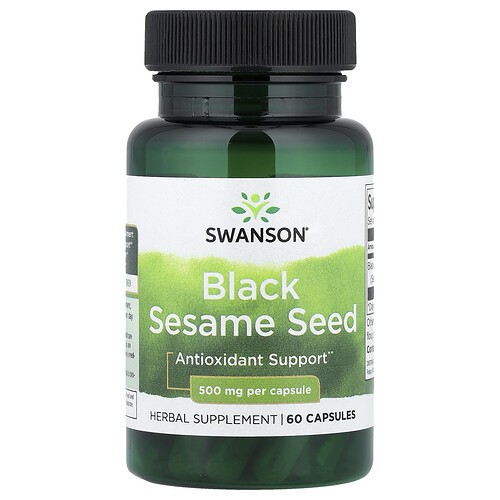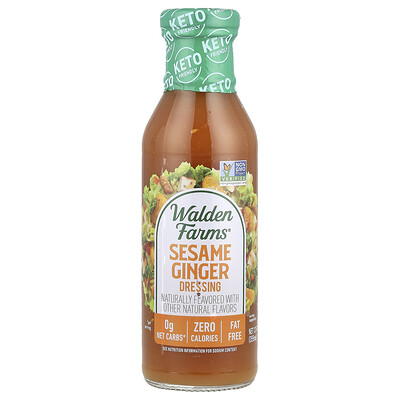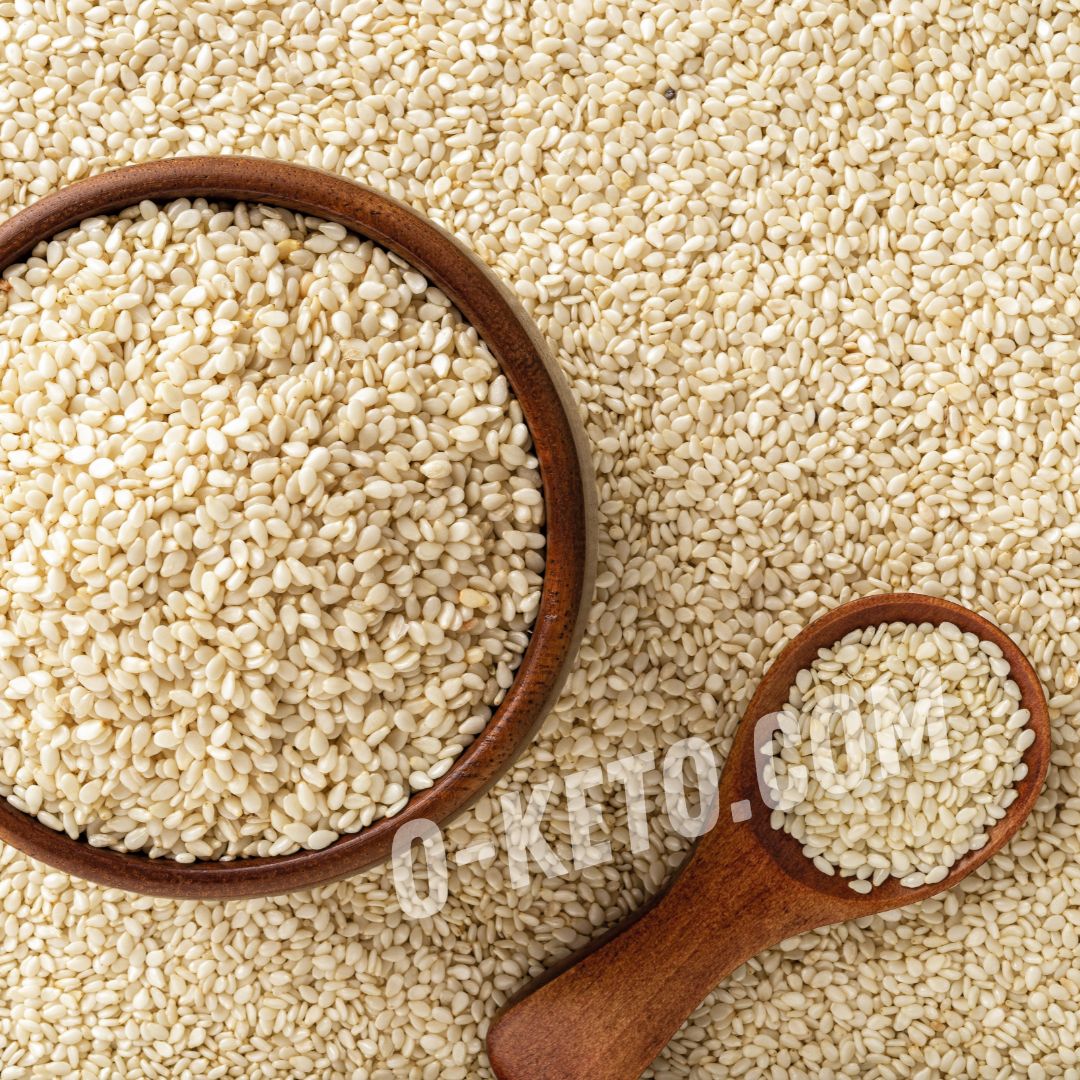

Sesame is the small seed of Sesamum indicum, with a nutty flavor and a high fat content. It is used whole, hulled, black, white, toasted, as tahini, oil, topping, breading, and an addition to sauces. Flavor depends strongly on processing: raw sesame is mild and grassy, toasted sesame is warmer and nuttier, while black sesame is denser and slightly bitter.
In keto cooking, sesame is convenient as a fatty seed ingredient with a low glycemic load in small portions. It adds crunch, aroma, and density without sugar, but it is still calorie-dense. It works best by the spoonful or pinch, not as the base of a large dish.
Nutrition profile
One tablespoon of sesame seeds, about 9 g, usually provides around 50–55 kcal, about 4.5 g fat, 2–3 g protein, and about 2 g carbohydrate, with roughly 1 g as fiber. Net carbohydrate in that portion is usually low. In 100 g of seeds, the numbers are very different: plenty of fat, many calories, and more carbohydrate, so portion size matters.
The fat profile of sesame is mostly monounsaturated and polyunsaturated fats. Descriptions often list about 14–16% saturated fat, around 39–41% monounsaturated fat, and about 43–45% polyunsaturated fat, where omega-6 provides the largest share and omega-3 is low. Sesame also contains magnesium, calcium, iron, zinc, copper, and lignans such as sesamin and sesamolin.
Is it suitable for keto?
Sesame fits keto in moderate amounts. It works well as a topping for salad, meat, fish, vegetables, low-carb flatbreads, sauces, and tahini dressings. But if you eat a lot of tahini or sesame paste, carbohydrates and calories add up quickly. For strict tracking, weigh paste and seeds at least the first few times.
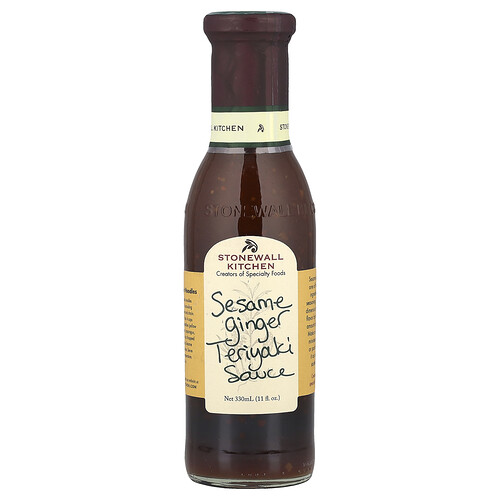
The main trap is ready-made sesame products. Sesame brittle, sweet bars, buns, flour-based breading, sweet halva, and sugary sauces do not become keto just because they contain sesame. The ingredient list should stay simple: seeds, salt, spices, oil, lemon juice, garlic, herbs, but no sugar or starch.
How to use it
Whole seeds show more flavor after light toasting in a dry pan. Add them to salads, cucumbers, cabbage, fish, chicken, beef, eggs, cheese, cauliflower, and broccoli. For breading, sesame can be mixed with grated hard cheese, almond flour, or bamboo fiber. Tahini works in sauces for meat, vegetables, keto falafel-style patties, salads, and unsweetened yogurt dressings.
Ground sesame loses aroma quickly, so it is better to grind a small amount just before use. In sweet low-carb recipes, sesame pairs with cocoa, erythritol, vanilla, coconut, and nuts, but the paste makes desserts very dense, so fat and liquid need balancing.
How to choose
Seeds should be dry, without musty or rancid smell. Hulled white sesame is milder; unhulled sesame can taste denser and more mineral; black sesame often has a stronger bitterness. For tahini, choose a paste made from one ingredient, or with salt, without sugar and syrups. Oil separation on top is normal; stir the paste before use.
Limits
Sesame is a common allergen, so people with a known reaction to sesame seeds or tahini should avoid it. Because of the high fat content, old seeds can turn rancid, and toasting will not fix that flavor. Another point is oxalates and phytates: for most people a normal serving is not an issue, but with personal limits related to stones, minerals, or digestion, the amount should be discussed with a qualified professional.
Storage
Store sesame in a tightly closed jar, away from heat and light. For longer storage, the refrigerator or freezer is better, especially for ground seeds and tahini. Always use a clean dry spoon for paste. If the smell becomes sharp, oily, and unpleasant, do not use the product.
What can replace it?
For crunch and topping, use flax seeds, hemp seeds, sunflower seeds, pumpkin seeds, poppy seeds, or chopped nuts. For sauce, tahini can be replaced with almond butter, sugar-free peanut butter, or a yogurt dressing with oil and lemon. The flavor will be different: sesame has a characteristic warm nutty note that is hard to copy exactly.