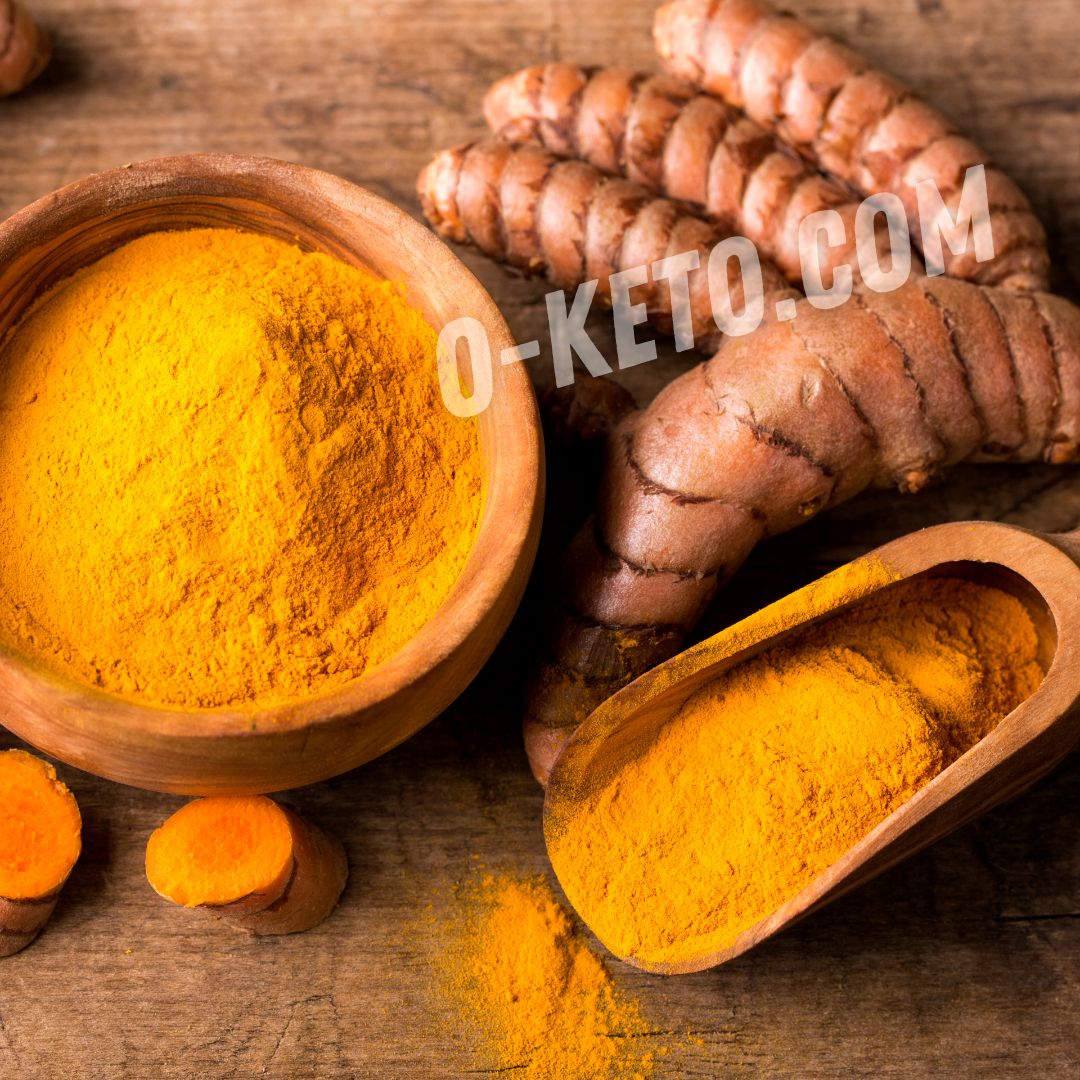

Turmeric is a bright yellow spice made from the dried rhizome of Curcuma longa. It gives a warm earthy aroma, mild bitterness, golden color, and a familiar background for curries, soups, sauces, rice dishes, marinades, and drinks. In powder form it looks simple, but it behaves actively: it quickly colors food, dishes, and oil.
The main pigment in turmeric is curcumin, but the culinary meaning of the spice is not limited to it. In everyday cooking, turmeric is used mainly for color, aroma, and the way it ties spices into one warm base. In keto and LCHF, it is useful because it adds brightness without sugar, flour, or ready sauces.
Nutrition
Per 100 g, turmeric contains carbohydrates, fiber, minerals, and plant pigments, but such an amount is almost never used in recipes. A real dose is a pinch, half a teaspoon, or a teaspoon for a whole dish. Its contribution to calories and carbohydrates is therefore usually small.
The powder contains iron, manganese, potassium, and other mineral traces, but turmeric should not replace normal food. Its role is more practical: to make eggs, fish, chicken, cauliflower, zucchini, cream sauce, or soup more expressive and visually warm.
Fit for keto and LCHF
Plain ground turmeric fits keto and LCHF in normal culinary amounts. It pairs well with eggs, poultry, fish, seafood, beef, cauliflower, cabbage, zucchini, eggplant, mushrooms, cream, unsweetened coconut milk, and ghee.
Ready blends need checking. Curry powder, marinades, pastes, and golden drinks may contain sugar, starch, rice flour, powdered milk, syrups, and flavorings. For a strict menu, it is easier to keep a separate jar of turmeric and mix it yourself with pepper, ginger, coriander, cumin, or paprika.
How to use it
Turmeric is often opened in fat: oil helps spread color and aroma through the dish. The powder can be briefly heated with oil, onion, garlic, ginger, or spices, but it should not burn. Burnt turmeric quickly becomes bitter and dusty.
For an omelet, cream sauce, or blended soup, a small pinch is enough. For curry, stewed chicken, or cauliflower, more can be used, but it is better added gradually. Black pepper is often used with turmeric for flavor and traditional pairing, not as a reason to add spoonfuls of the spice.
In drinks, turmeric is mixed with cream, unsweetened coconut milk, cinnamon, ginger, and butter. Honey in such recipes does not fit keto; if sweetness is needed, a small amount of a suitable sweetener is better. The drink should be stirred well because the powder settles.
In dry blends, turmeric is best distributed in advance with salt and other spices. If it is poured in a clump into a finished sauce, the powder can leave spots and uneven bitterness. For a smoother taste, mix it first with oil or a small amount of warm liquid.
How to choose
Good ground turmeric has a warm yellow-orange color, dry spicy smell, and fine powder without damp clumps. A dull, gray, or musty smell points to an old batch. A color that looks too unnaturally bright may be a concern when the producer is unclear.
Whole dried rhizome keeps longer but is harder to grind. For everyday cooking, powder in a small package is more convenient. The ingredient list should contain only turmeric, without salt, sugar, starch, or dyes.
Turmeric stains cutting boards, silicone, pale sauces, and fingernails strongly. For marinades this is a plus, but for a delicate cream dish it may be unexpected. If only a light golden shade is needed, start with a tiny pinch and let the color spread through the fat.
Limits
Turmeric can irritate a sensitive stomach, especially when used heavily or drunk as a concentrated drink on an empty stomach. With gallbladder concerns, a tendency to heartburn, anticoagulant use, or preparation for surgery, large amounts of turmeric and extracts should be discussed with a qualified professional.
A culinary pinch and capsules with concentrated extract are different things. It is more sensible to speak about the spice in meals and not transfer supplement doses to soup or omelet. If the taste seems bitter or harsh, the amount should be reduced.
Storage and substitutes
Turmeric should be stored tightly closed in a dry dark place, away from the stove and sunlight. The powder easily absorbs odors and loses aroma. The jar is best opened with a dry spoon, otherwise clumps appear.
Turmeric can be replaced with a sugar-free curry blend, saffron for color, paprika for a warm shade, ginger for spice, or a small amount of annatto. There is no exact replacement: saffron has another aroma, paprika is sweeter, ginger is sharper, and curry already contains a spice blend.
Research Notes
Turmeric is most interesting because of curcumin, a bright polyphenol linked to its yellow color and anti-inflammatory potential. Research discusses curcumin very broadly, from oxidative stress and joint discomfort to metabolic and liver markers. In cooking, however, turmeric acts more gently: it is not a medicine, but a spice that can regularly add earthy bitterness and plant pigments to the diet.
In low-carb cooking, turmeric is useful in curries, soups, sauces, marinades, cauliflower dishes, eggs, fish, poultry, and coconut milk. It is often paired with black pepper and fat: this combination helps the flavor open up and makes the spice fit rich keto dishes. Turmeric also stains dishes, boards, and pale sauces easily, so it is best handled carefully.
Limits
Culinary amounts of turmeric are usually moderate, while high-dose curcumin and supplements require caution. They may be inappropriate with gallbladder disease, bleeding tendency, anticoagulant use, pregnancy, preparation for surgery, and individual digestive reactions. If turmeric worsens heartburn or bitterness in the mouth, the amount should be reduced.
Turmeric and curcumin extract are not the same
Culinary turmeric powder contains curcuminoids together with essential oils, fibre and other plant components. Curcumin extracts concentrate selected compounds and may include ingredients intended to change absorption, so they should not be evaluated like an ordinary spice. In food, turmeric remains a seasoning, not a replacement for prescribed treatment.