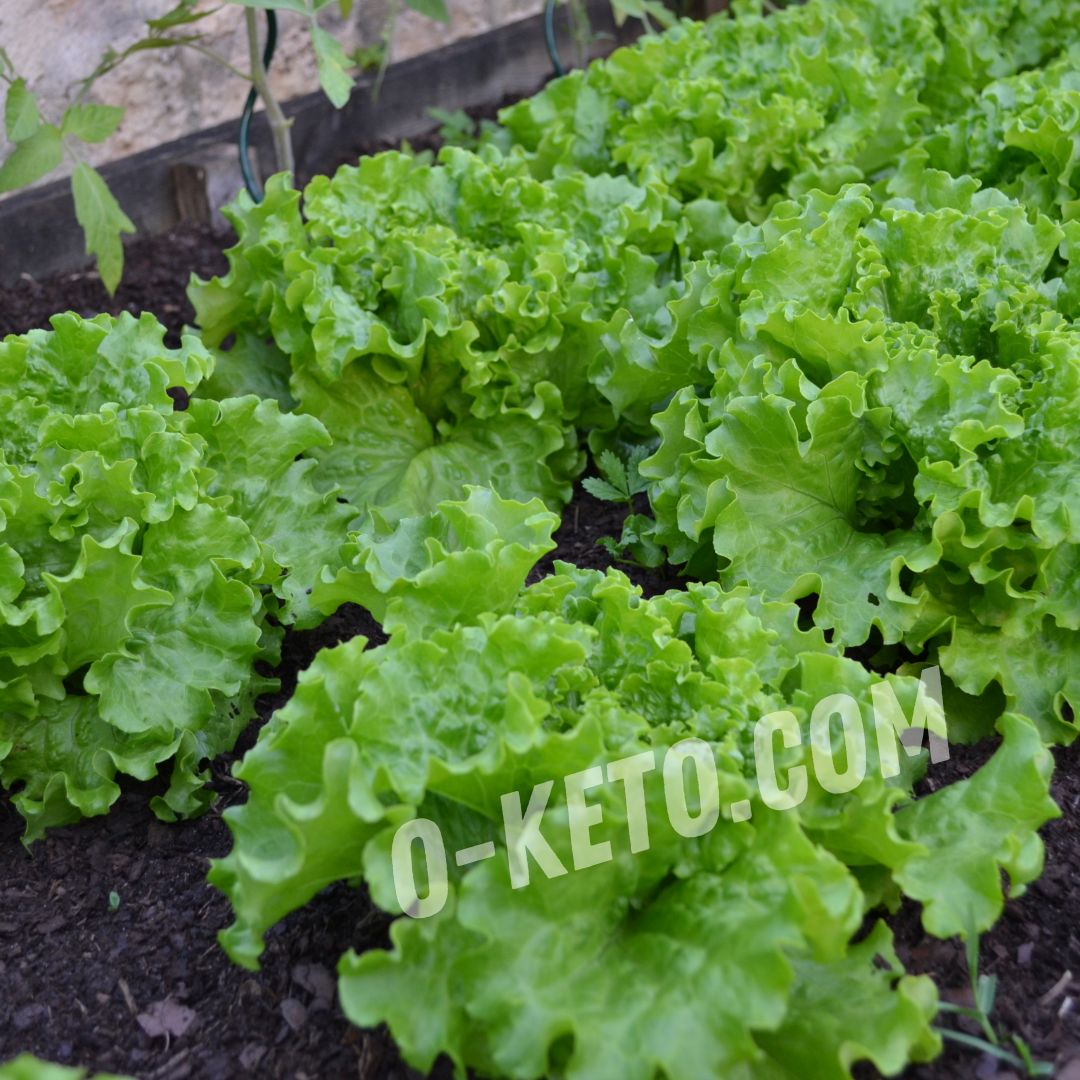

Lettuce is a mild leafy salad vegetable with tender crisp leaves and a neutral flavor. Different forms may be sold under this name: head lettuce, leaf lettuce, butter lettuce, iceberg-like types or looser varieties. It is used as a salad base, wrap leaves, a fresh layer in bunless burgers and a light side for protein dishes.
For keto, lettuce is very convenient: it is low in carbohydrates, high in volume and neutral in flavor. It does not keep you full for long by itself, but it helps build a plate with eggs, fish, meat, cheese, avocado, olive oil or sugar-free mayonnaise.
Nutrition
Per 100 g, lettuce usually contains about 15 kcal, around 1 g of protein, 0.2 g of fat and about 2-3 g of carbohydrates, much of which is fiber and water. Its glycemic load is very low, so a normal portion fits keto and LCHF well.
Lettuce contains vitamin A, vitamin K, folate, vitamin C, potassium, iron and small amounts of other micronutrients. Its main practical role, however, is not being a vitamin bomb, but a fresh low-carb base for more satiating foods.
Is Lettuce Keto-Friendly?
Yes, lettuce fits keto well. It can be used almost freely if tolerated and not covered in sweet sauces. It helps replace buns, tortillas and part of side dishes when crunch and freshness are needed.
The problem is usually not the leaves but the dressing: sugar, honey, sweet yogurt sauce, croutons, breading, sweet nuts and ready dressings can quickly change the dish. For keto, olive oil, sour cream, sugar-free mayonnaise, lemon, sugar-free vinegar and spices work better.
How to Use It
Lettuce is best used fresh and dry. After washing, dry the leaves well; otherwise the dressing becomes watery and the salad quickly loses texture. Large leaves can be used as wraps for ground meat, chicken, tuna, cheese or egg salad.
Practical options include:
- salad with egg, tuna, chicken or salmon;
- leaves instead of a burger bun;
- wraps with meat, cheese and avocado;
- a salad base with olive oil and lemon;
- a fresh side for fatty meat or fish.
How to Choose and Store
Leaves should be fresh, without slime, dark wet spots, sour smell or heavy wilting. In head lettuce, the core should be firm but not rotten. Store lettuce dry in the refrigerator in a container or bag with a paper towel.
Cut lettuce spoils faster than whole leaves. If salad is prepared in advance, keep leaves separate and add dressing just before eating.
Portion and Pairings
Lettuce can be eaten in a large portion, but it needs protein and fat for satiety. Good pairings include eggs, chicken, turkey, tuna, salmon, shrimp, cheese, bacon, avocado, olives, olive oil, sour cream and sugar-free mayonnaise.
If a lettuce salad leaves you hungry soon after eating, the problem is usually not the lettuce but too little protein and fat. Add a denser base or use lettuce as a fresh layer rather than the whole meal.
Limitations and Substitutes
Lettuce may contain nitrates like many leafy vegetables; practical risk reduction means buying fresh produce from a reliable source, not storing it too long and varying greens. People sensitive to FODMAPs or fructans may have discomfort, but lettuce is usually easier to tolerate than many onions and cabbage-family vegetables. Substitutes include romaine, iceberg, endive, Napa cabbage, spinach or mixed salad leaves.
Common Mistakes
Lettuce is often used as a “diet base” while people forget that it provides very little energy on its own. A large bowl of leaves without protein and fat may look impressive, but hunger can return within an hour. For a keto salad, balance with eggs, fish, meat, cheese or avocado matters more than leaf volume.
Another mistake is dressing the salad too early. Salt and acid quickly draw water from tender leaves and ruin texture. If the salad must be packed, keep leaves, protein and sauce separate, then mix before eating.
A third mistake is assuming that every “salad” food is low-carb. Lettuce itself fits keto, but a salad with corn, sweet sauce, croutons and fruit has a completely different composition.
Keeping the Crunch
Lettuce loses texture quickly when the leaves are wet or covered with heavy dressing. After washing, dry them in a salad spinner or on a towel, then store them in a container with a dry paper towel. If leaves are only slightly wilted, a short bath in very cold water may help, but slime, sour smell and dark wet spots cannot be fixed.
For wraps, choose large whole leaves without tears. The thick central rib can be pressed gently with a knife so the leaf folds more easily around the filling without breaking.