


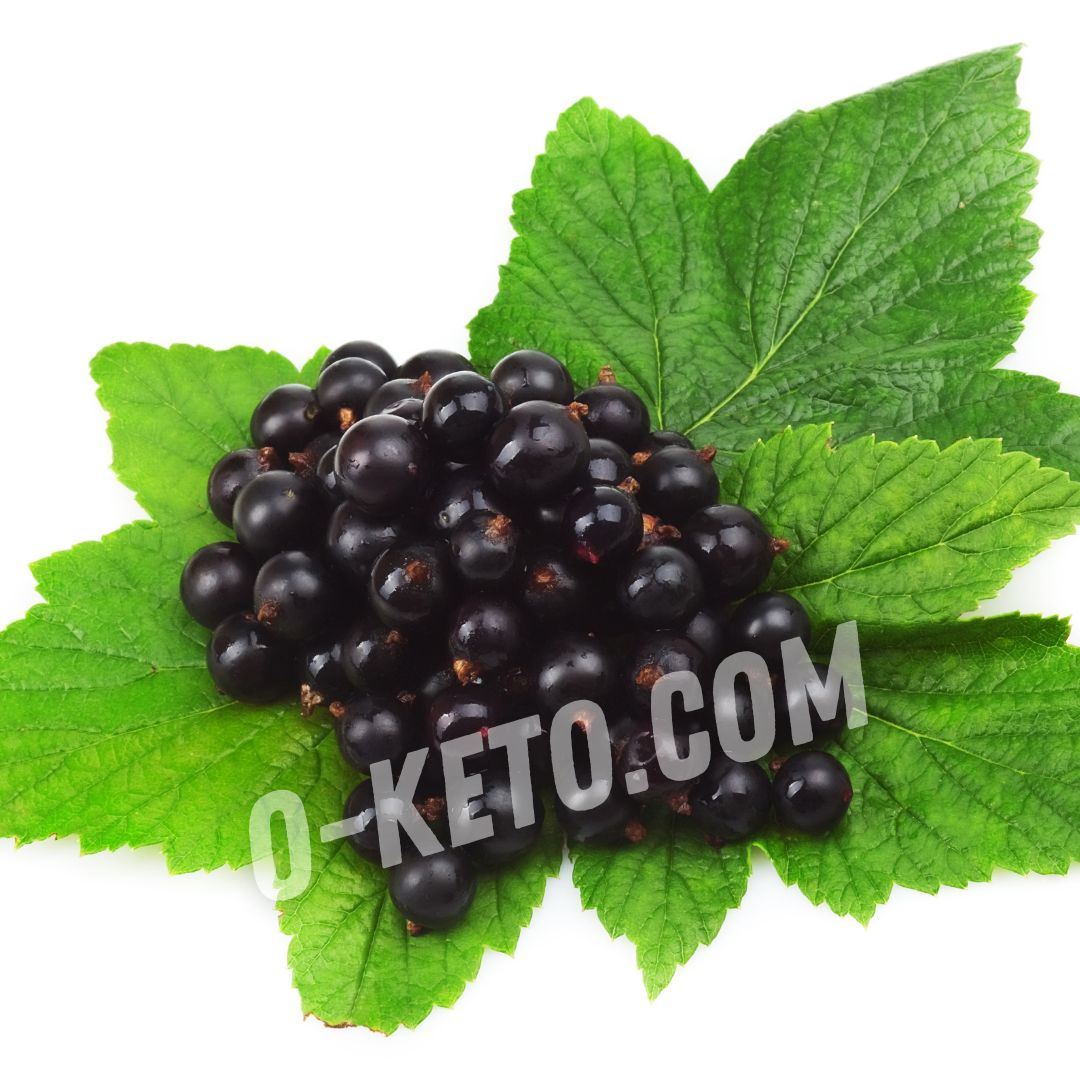

Currant leaves are the aromatic leaves of black, red, or white currant, used for tea, infusions, marinades, pickles, and home preserves. They have a bright garden aroma: green, slightly resinous, lightly sour, with a recognizable berry note. Unlike the berries themselves, the leaves bring almost no sweetness and work mainly as a flavoring ingredient.
In cooking, blackcurrant leaves are most often valued because they are more fragrant and tolerate hot water, brines, and long steeping well. Fresh leaves smell brighter, while dried leaves are easier to store and use in winter. This is not a food eaten in large portions, but an herbal ingredient added for taste and aroma.
Nutritional value
Currant leaves are used in small amounts, so their contribution to calories and carbohydrates is usually minimal. Dry leaves contain plant polyphenols, flavonoids, tannins, aromatic components, and mineral traces, but in a cup of tea or a jar of pickles the aroma matters more than nutrient density.
The glycemic load of an unsweetened infusion is negligible. Problems for keto come not from the leaves themselves, but from sugar in compotes, syrups, sweet teas, and marinades. If the leaves are used in sugar-free pickles, they fit a low-carb diet well.
How to use in tea
For tea, fresh or dried leaves are covered with hot water and steeped for several minutes. Fresh leaves give a greener and brighter aroma, while dried leaves taste softer and more herbal. To avoid too much astringency, do not boil the leaves for a long time or make the infusion overly strong.
Currant leaves can be mixed with mint, lemon balm, raspberry leaf, rosehip, thyme, green tea, or black tea. For a keto version, leave the drink unsweetened or add a small amount of a suitable sweetener. Lemon zest and a few currants intensify the aroma, but berries and sweeteners need to be counted separately.
Marinades and preserves
In pickling, currant leaves are added to cucumbers, zucchini, cabbage, mushrooms, and sometimes tomatoes. They flavor the brine and pair well with dill, garlic, horseradish, bay leaf, pepper, and mustard seed. In cucumber pickles, the leaves are often used for the aroma and traditional taste of home preserving.
If the preserve is made for low-carb eating, the whole recipe matters. Currant leaves do not add meaningful carbohydrates, but sugar in the marinade, sweet sauces, and a lot of carrot can change the final profile. In salty and fermented versions without sugar, the leaves usually create no issue.
Pairings
Currant leaves work well with cucumbers, mushrooms, cabbage, zucchini, herbs, garlic, horseradish, dill, mint, thyme, black tea, poultry, and pork. In meat marinades they should be used carefully: one or two leaves can give a pleasant garden aroma, while a large handful can make the taste too herbal and astringent.
In sugar-free desserts, the leaves can be steeped in cream or coconut milk and then used as a base for cream, panna cotta, or ice cream. Remove the leaves after steeping so the texture stays smooth.
How to choose
For tea and preserving, choose clean leaves without spots, stickiness, mold, or signs of chemical treatment. The brightest aroma usually comes from young but already firm leaves. It is better to gather them in dry weather, away from roads and dusty places. Before use, sort and rinse the leaves.
Dried leaves should smell of currant and herbs, not hay, mustiness, or dampness. If the aroma is almost gone, they may still work in brine, but tea will be weak. Leaf powder is less convenient: it loses aroma faster and can make the infusion cloudy.
How to store
Fresh leaves should be kept in the refrigerator in a container or bag with a little ventilation and used within a few days. For drying, spread them in a thin layer in shade, away from direct sun, then move them to a jar or paper bag. Moisture is the main enemy: damp leaves quickly lose aroma and may spoil.
Substitutes
In tea, currant leaves can be replaced with raspberry leaves, mint, lemon balm, cherry leaves, or black tea with a berry accent. In pickles, the closest functional additions are cherry leaves, horseradish leaves, dill umbels, and bay leaf. The exact currant aroma is not fully repeated: it has its own garden-like acidity and green astringency.


