


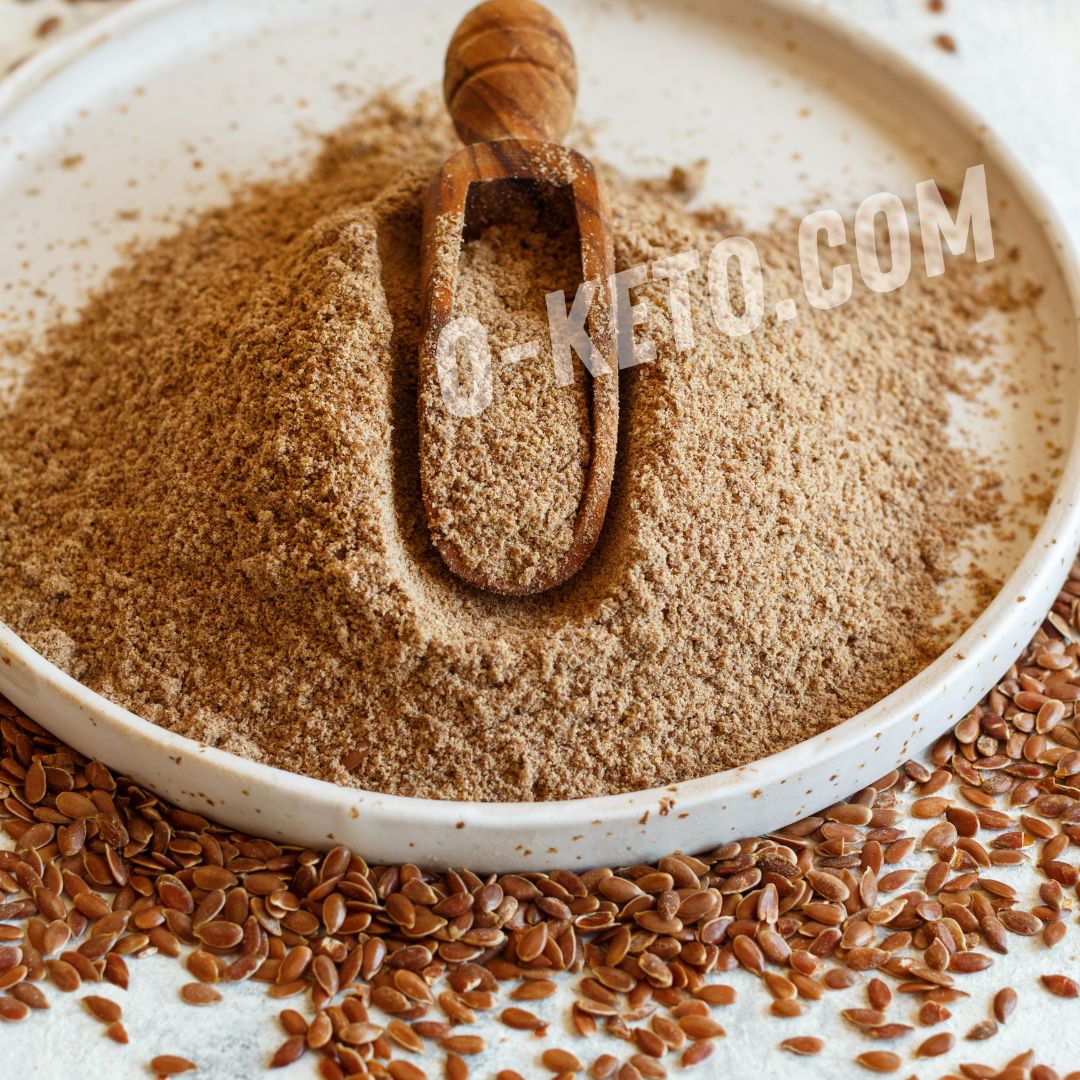

Flaxseed flour, or flaxseed meal, is made from ground flax seeds or from the partly defatted material left after oil pressing. In cooking, it does not behave like wheat flour: it does not create a light crumb on its own, but it binds moisture, makes dough denser and adds a nutty seed flavor. It is used in crispbreads, keto bread, pancakes, breading, grain-free porridge and baking mixes where fiber and binding are needed.
It is useful to distinguish whole-ground flaxseed from defatted flax flour. The first contains more fat and has a stronger flavor; the second is drier, absorbs liquid more actively and can make dough firmer. Both need careful portioning: flax swells strongly, so recipes with it almost always need water, egg, fat or another moist base.
Nutrition
The older description listed approximate values per 100 g: about 534 kcal, around 18 g of protein, 42 g of fat and 29 g of carbohydrates, with a large share coming from dietary fiber. Numbers differ a lot between brands, especially when the flour is defatted: fat can be lower, while protein and fiber can be higher.
Flax contains soluble and insoluble fiber, lignans, magnesium, phosphorus, potassium, iron, calcium, vitamin E and B vitamins. Its fat fraction includes alpha-linolenic acid, ALA, a plant omega-3. These facts describe the composition, but for keto the main point is still the real serving and the available carbohydrate amount shown on the specific package.
Is It Keto-Friendly?
Flaxseed flour can fit keto and LCHF well when it is used as an addition to a recipe rather than the base of large servings. Usually 1-2 tablespoons per serving, or part of a blend with almond flour, coconut flour, psyllium, eggs and a fatty base, is enough. In that role it helps build structure and adds seed flavor without a sharp carbohydrate increase.
It should not replace wheat flour one-to-one. The dough will become heavy, moist and sometimes gel-like because of the swelling fiber. It is better to start with a small share: 10-20% of the dry mix, then adjust liquid. If the recipe already contains psyllium or coconut flour, more water will be needed; otherwise the baked item may turn dry and crumbly.
How to Use It
Flaxseed flour is most useful where binding is needed. A mixture of 1 tablespoon ground flax with 2-3 tablespoons water, after swelling, can replace an egg in some vegan recipes, but in keto baking the egg is often better kept: it gives volume and a more stable structure. Flax then works as an extra binder, not as a full replacement for everything.
Good uses include:
- an addition to keto bread, flatbreads and savory muffins;
- breading for fish, chicken, cheese or low-carb vegetables;
- a base for thick porridge with cream, unsweetened coconut milk or water;
- a binder for patties, zucchini fritters or sugar-free cottage cheese pancakes;
- an addition to unsweetened yogurt or cottage cheese when the serving is counted.
Flavor and Pairings
Fresh flaxseed flour has a mild nutty aroma. Bitterness, a stale oil smell or a rancid note mean poor storage or old grinding. In savory dishes, flax pairs with sesame, caraway, cheese, eggs, butter, sour cream, herbs and spices. In sweet versions, it is better balanced with cinnamon, vanilla, unsweetened cocoa, nuts or a small amount of berries.
Dark flaxseed flour changes the color of dough more strongly; golden flax looks softer in rolls and crispbreads. If the flavor is too noticeable, part of the flax can be replaced with almond flour, sesame flour or ground nuts. For crunch, add a few whole seeds separately instead of trying to get crunch from the flour alone.
Limits
The main practical issue is the high fiber content. If the serving is increased suddenly, bloating, heaviness, loose stool or discomfort from too little fluid may occur. It is more sensible to begin with 1 teaspoon or 1 tablespoon and watch tolerance.
Fiber can slow the absorption of some medicines and supplements, so large servings of flax are better separated from them in time. During pregnancy, breastfeeding, thyroid conditions, hormone-sensitive situations, anticoagulant use or regular medication, frequent large doses should be discussed with a clinician. This is not a ban on a culinary serving; it is a reason not to treat the product as a daily spoon-by-spoon supplement.
How to Choose and Store
The ingredient list should contain only flaxseed flour or ground flax seeds. Baking mixes may contain starch, sugar, milk powder, wheat flour and flavorings, so they should not be counted as pure flax. For keto, a package with clear data on protein, fat, carbohydrates and fiber is easier to use.
Because of its fats, flaxseed flour loses fresh flavor quickly. It is better to buy small packs, keep them tightly closed in the refrigerator, and use the freezer for longer storage. Do not leave an opened pack near the stove, in sunlight or in a humid cupboard. If it smells like paint, old nuts or tastes bitter, it should not be used in food.
Substitution options in recipes
Chia seeds. In the form of flour. Chia forms a comparable gel of omega fats and protein. In the dough, add +2% water and let it sit for 10 minutes for hydration.


