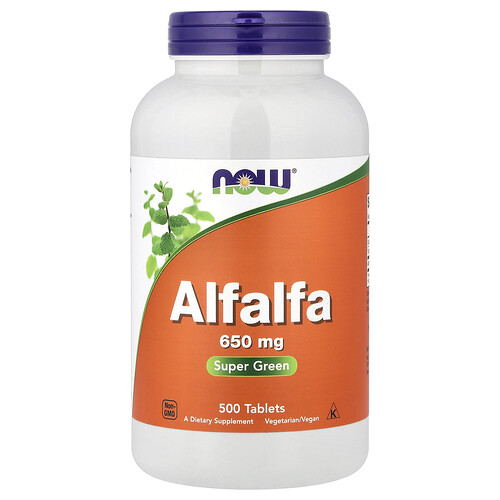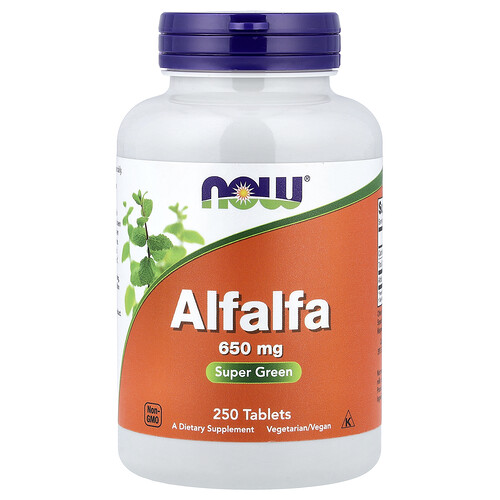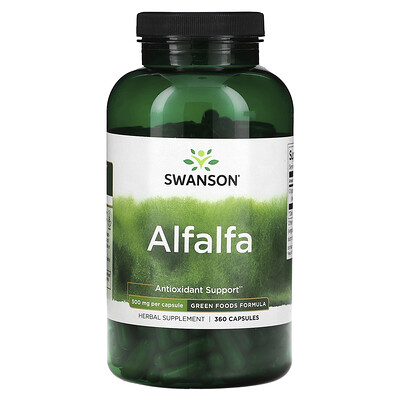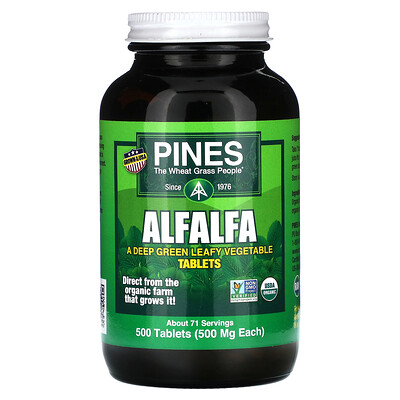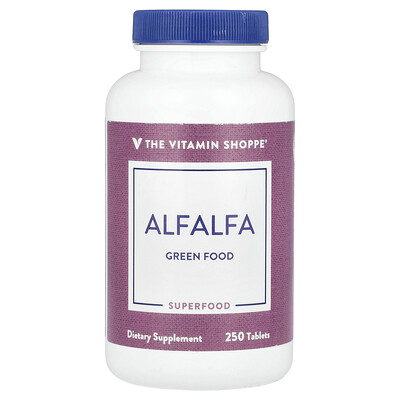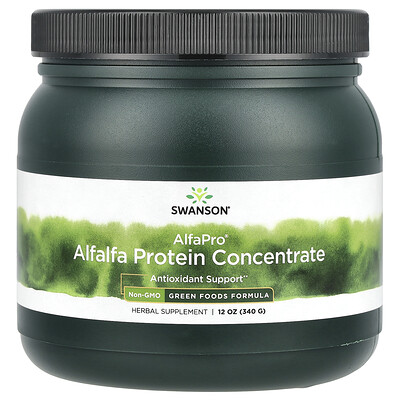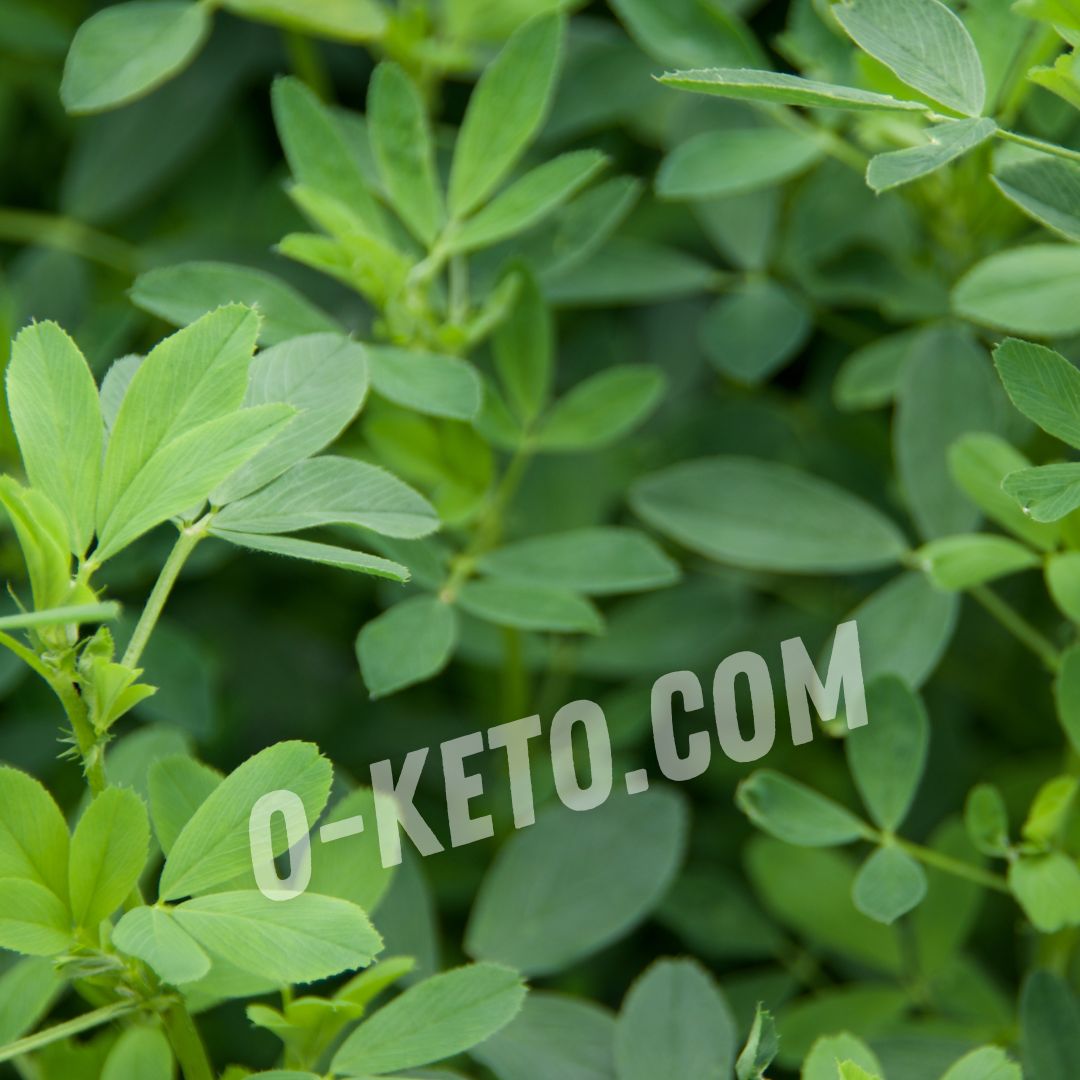

Alfalfa, also called lucerne, is a legume plant. In food, people use young sprouts, fresh leaves, dried greens, powder, and sometimes seeds intended for sprouting. The sprouts taste mild and grassy with a light legume note; leaves and powder have a stronger green aroma.
Alfalfa is most often found in salads, sandwiches, green mixes, smoothies, and powdered supplements. For keto and LCHF, sprouts and greens are the most relevant forms: they add volume, freshness, and a little fiber with few digestible carbohydrates. Still, alfalfa has safety limits, especially when raw sprouts are involved.
Nutrition
In 100 g of fresh alfalfa, common figures are about 4 g of protein, 0.5 g of fat, and around 2 g of carbohydrates. Sprouts may show lower or different values depending on the database, while dried powder concentrates everything because water has been removed. Powder should therefore not be counted like a fresh handful of greens.
Alfalfa contains vitamin K, carotenoids, vitamin C, folate, potassium, calcium, magnesium, and plant compounds. These facts explain why it is used as a green addition, but they do not make it a replacement for complete food. Its practical role is fresh taste, volume, texture, and a small mineral contribution within a dish.
The glycemic load of fresh sprouts is usually low. This is convenient for a low-carbohydrate menu, but the real serving matters: 30-60 g of sprouts in a salad and a tablespoon of powder are different products in concentration.
Keto and LCHF use
Fresh alfalfa sprouts and leaves fit keto and LCHF as greens. They can be added to eggs, fish, chicken, avocado, cheeses, cucumber, leafy salads, olive oil, and lemon juice. They do not bring sweetness or starchy density, but they make a dish fresher and more voluminous.
Alfalfa powder can also be used, but moderation is important. It is concentrated, changes the taste noticeably, and can clash with delicate dishes. It is usually added in small doses to sugar-free smoothies, green sauces, or yogurt mixtures rather than spooned into every meal.
How to use it
Alfalfa sprouts are best added to cold dishes after washing and drying. They pair with salads containing cucumber, avocado, egg, tuna, chicken, feta, goat cheese, herbs, and oil-based dressing. Heavy cream sauces can cover their taste, while a light acidic dressing makes the sprouts more expressive.
For an omelet, hot fish, or meat, alfalfa is better added at serving. Long heating destroys the crunch and turns sprouts into a wet mass. If a warm dish needs a green taste, spinach leaves, arugula, parsley, or cilantro are often easier, while alfalfa can stay as the fresh layer on top.
The powder can be mixed with water, plain yogurt, kefir, lemon juice, cucumber, and herbs. It gives a grassy taste, so acid, salt, and fat help balance it. In sweet fruit smoothies it often needs masking, and for keto such smoothies are usually inconvenient because of fruit sugars.
How to choose
Fresh sprouts should be pale, springy, without slime, dark spots, or sour smell. There should not be excess liquid in the package. If the sprouts look wet and compressed, another package is a better choice.
Alfalfa powder should be green, dry, and free of mustiness and clumps. The ingredient list should contain only alfalfa, without sugar, flavorings, or fillers. Seeds for sprouting should be intended specifically for edible sprouts, not for planting in soil.
Limits
Raw sprouts require caution. The warm moist environment in which they grow also suits bacteria, so pregnant women, small children, older adults, and people with reduced resistance to infections are usually better off avoiding raw sprouts or using cooked alternatives. Washing reduces surface contamination but does not make sprouts sterile.
Alfalfa contains a lot of vitamin K, so people using anticoagulants should discuss regular large servings with a physician. With systemic inflammatory conditions, strong allergy to legumes, or an unclear reaction to green powders, it is also better not to start with large doses. A small culinary serving and a concentrated supplement are different things.
Storage and substitutes
Alfalfa sprouts should be stored only in the refrigerator, in clean packaging, and used quickly. They should not be kept in water or left on the counter. If a sour smell, slime, or darkening appears, the product should be discarded.
Powder should be stored tightly closed in a dry cool place, away from light. Alfalfa can be replaced with broccoli sprouts, watercress, microgreens, arugula, spinach, parsley, or cilantro. For crunch, sprouts and microgreens work well; for green flavor, parsley and cilantro; for mild volume, spinach and leafy salads.