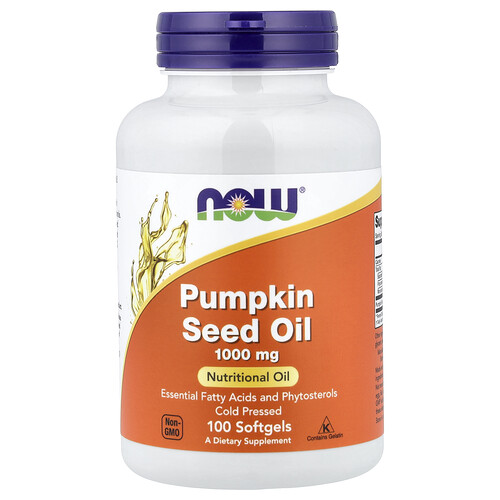
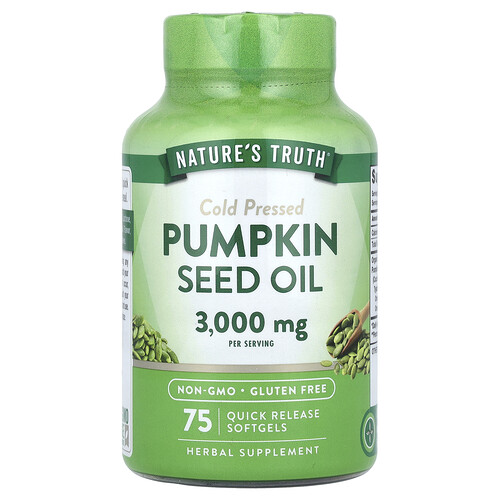
Pumpkin seed oil is pressed from pumpkin seeds, usually by a cold-press method. A good bottle has a deep green-brown color, a dense nutty aroma, and a roasted seed note without stale bitterness. It is not a neutral cooking fat for every pan. It is better treated as a finishing oil: a teaspoon can change a salad, a curd-based dip, vegetable puree, an omelet, or a serving of cooked fish.
For a low-carb diet, the main practical point is simple: pumpkin seed oil contains almost no protein or carbohydrate. It is essentially fat, so the portion should be measured as a calorie-dense ingredient, not poured automatically. A teaspoon gives clear aroma; a tablespoon already changes the fat load of the plate.
Composition and flavor
The oil is known for a distinctive fat profile: linoleic acid from the omega-6 family, oleic acid, a smaller share of saturated fat, tocopherols, phytosterols, and natural pigments that give the oil its dark color. Older descriptions often exaggerate the omega-3 angle, but for cooking the more important fact is its sensitivity: because it contains a meaningful share of polyunsaturated fats, it dislikes light, air, and high heat.
The flavor depends on the seeds and how strongly they were roasted before pressing. A lighter oil can taste softer and more delicate. A darker Styrian-style oil is usually thicker, with notes of roasted seeds, nuts, and a slight caramel-like bitterness. If the smell reminds you of old nuts, paint, or rancid seeds, the oil is past its best and should not be used.
Keto and LCHF
Pumpkin seed oil fits keto and LCHF macros because it brings fat without sugar or starch, and its glycemic load is close to zero. That does not make it a free ingredient. In a menu that already includes butter, olive oil, avocado, eggs, fatty fish, nuts, and cheese, another spoon of oil can easily become unnecessary energy rather than a meaningful addition.
The most useful role is as a final accent. Add it to cold dishes or warm food after cooking: cucumber and herb salad, soft cheese, cauliflower, zucchini, mushrooms, boiled eggs, unsweetened yogurt sauce, pate, or cream soup. Avoid using it as a frying oil. High heat quickly flattens the aroma and can make the taste harsher.
How to choose it
Look for a dark glass bottle, a clear production or bottling date, and no added flavorings. “Unrefined” usually means a stronger seed aroma, but it also means the oil needs more careful storage. Refined versions are milder and less characteristic; for salads and sauces, unrefined pumpkin seed oil is usually the more interesting choice.
After opening, smell the oil before using it. Fresh pumpkin seed oil smells of seeds, nuts, and sometimes toasted bread crust. Sharp bitterness, a metallic note, sticky residue around the neck of the bottle, or the smell of old fat are warning signs. A small bottle is often better than a large one because this oil is used slowly and meets oxygen every time it is opened.
How to use it
Pumpkin seed oil does not need to carry a dressing alone. It works well mixed with olive oil, lemon juice, apple or wine vinegar, sugar-free mustard, salt, and black pepper. In that kind of dressing it brings aroma, while the more neutral base keeps the result from becoming heavy. In curd, sour cream, or yogurt sauces it pairs well with garlic, dill, parsley, green onion, and smoked paprika.
With meat, add it on the plate rather than in the pan: over cooked poultry, pork, meat patties without breading, or roasted low-carb vegetables. With fish, use a light hand. A few drops can suit mild white fish, but too much oil will cover the fish’s own taste. In low-carb baking it is rarely the main fat, yet it can be used in savory seed crackers, spreads, or unsweetened cheese creams.
Storage
Keep an opened bottle tightly closed, preferably in the refrigerator or in a very cool dark cupboard if the producer allows it. The oil may thicken in the refrigerator; that is normal and it loosens again at room temperature. Do not keep the bottle near the stove, and do not pour it into a clear decorative container. Light and warmth shorten its usable life.
Substitutes
For a similar nutty accent, try walnut oil, hazelnut oil, or a small amount of sesame oil, understanding that each has its own character. For neutral fat, use mild olive oil or avocado oil. If the recipe needs a pumpkin seed note specifically, combine toasted pumpkin seeds with a calmer dressing oil.