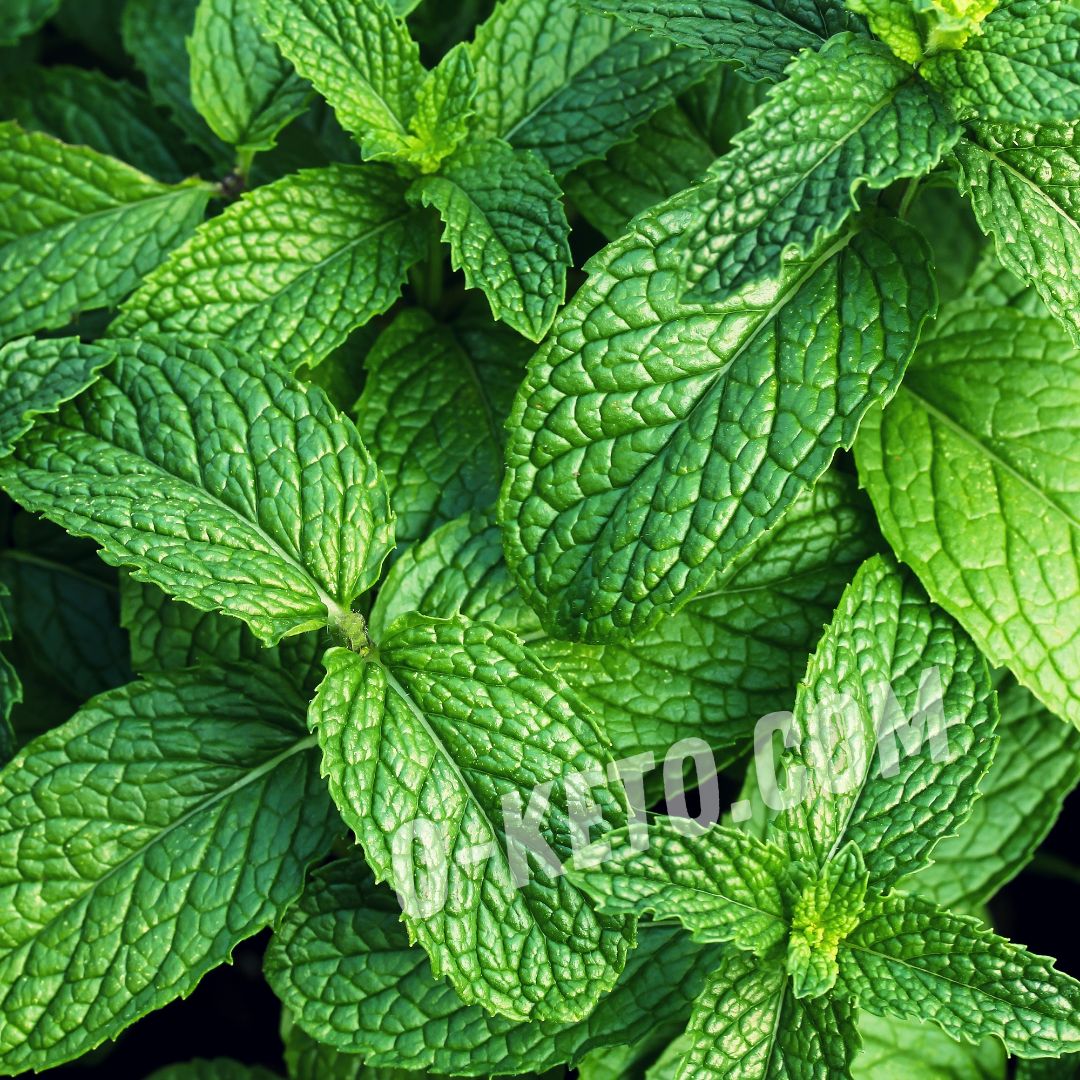

Mint is an aromatic herb with a cooling taste created by menthol and other essential oils. It is used fresh and dried: in drinks, sauces, salads, lamb, fish, cucumber dishes, yogurt, cottage cheese, berries, and sugar-free chocolate. It is not the main food on the plate, but a bright seasoning where freshness and dosage matter.
The name mint is often linked to Greek mythology and the nymph Mentha, and the plant has long been grown in many cuisines. For practical eating, however, the important point is how mint behaves in a dish: it gives aroma quickly, freshens rich sauces, works well in cold drinks, and can spoil the flavor if too much is added.
Nutrition
Mint is eaten in small portions, so its contribution to calories, protein, fat, and carbohydrates is usually minimal. Fresh leaves contain fiber, potassium, calcium, magnesium, iron, vitamin A, vitamin C, and other components, but only a small amount is present in a few leaves. In cooking, the main value of mint is aroma, coolness, and the ability to make a dish feel lighter.
The glycemic load of a normal portion of fresh mint is practically insignificant. Dried mint is more concentrated by weight, but it is also added by pinches. It is important to separate plain herbs from mint syrups, candies, sweet teas, and desserts, where mint flavor may come with a large amount of sugar.
Place in keto and LCHF
Fresh and dried mint fit keto and LCHF well. They make drinks, creamy sauces, salads, cottage-cheese creams, and meat dishes more interesting without sugar or starch. A few leaves can be added to water, tea, coffee with cream, plain yogurt, sour-cream sauce, or cucumber and avocado salad.
Ready-made mint-flavored products need checking. Mint chocolate, ice cream, syrups, liqueurs, chewy candies, and store sauces often contain sugar, glucose syrup, starch, or sweet fillings. Mint itself does not interfere with keto, but the sweet form of the product must be counted separately.
How to use
Fresh mint is best added at the end of cooking or right before serving. With long heating, it loses freshness, darkens, and may turn grassy and bitter. For drinks, gently bruise the leaves to release essential oils, but do not grind them into a paste: heavy damage to stems can give a rough taste.
Mint pairs well with cucumber, lemon, lime, small portions of berries, cottage cheese, Greek yogurt, cream, lamb, chicken, fish, feta, zucchini, eggplant, parsley, cilantro, and basil. In savory sauces, it is convenient to mix it with garlic, salt, pepper, lemon juice, and sour cream.
Fresh and dried
Fresh mint gives a bright green aroma and is better for salads, drinks, cold sauces, and serving. Dried mint is warmer, calmer, and more convenient for tea, marinades, baking, and spice blends. Substitution is not equal: dried mint is more concentrated, so less is needed.
If a recipe calls for fresh mint but only dried mint is available, start with a small pinch and taste. If dried mint is needed but fresh leaves are available, add them closer to the end to keep the aroma. In sugar-free desserts, fresh mint is often better because it gives clean coolness without a dusty note.
How to choose
Fresh mint should be firm and bright, without black spots, slime, or musty odor. Stems may be sturdy, but leaves should not be wilted. If the bunch smells weak, the herb has probably been stored too long or cooled poorly.
Dried mint should smell clean and recognizable, without dust, mold, or hay-like odor. Small packages are better: after opening, the aroma gradually fades. Ground mint is harder to judge, while whole dried leaves keep their smell longer.
Limits and storage
Mint may be too sharp for a sensitive stomach, reflux, or poor tolerance of menthol. In such cases, use small amounts or choose milder herbs. Essential oils are concentrated, so mint oil should not be substituted for fresh leaves without recalculation: they are products of very different strength.
Store fresh mint in the refrigerator, wrapped in a slightly damp paper towel and placed in a bag or container. The stems can also be kept in a glass of water like herbs and loosely covered with a bag. Dried mint should be kept in a closed jar, in a dark dry place, away from the stove and steam.