


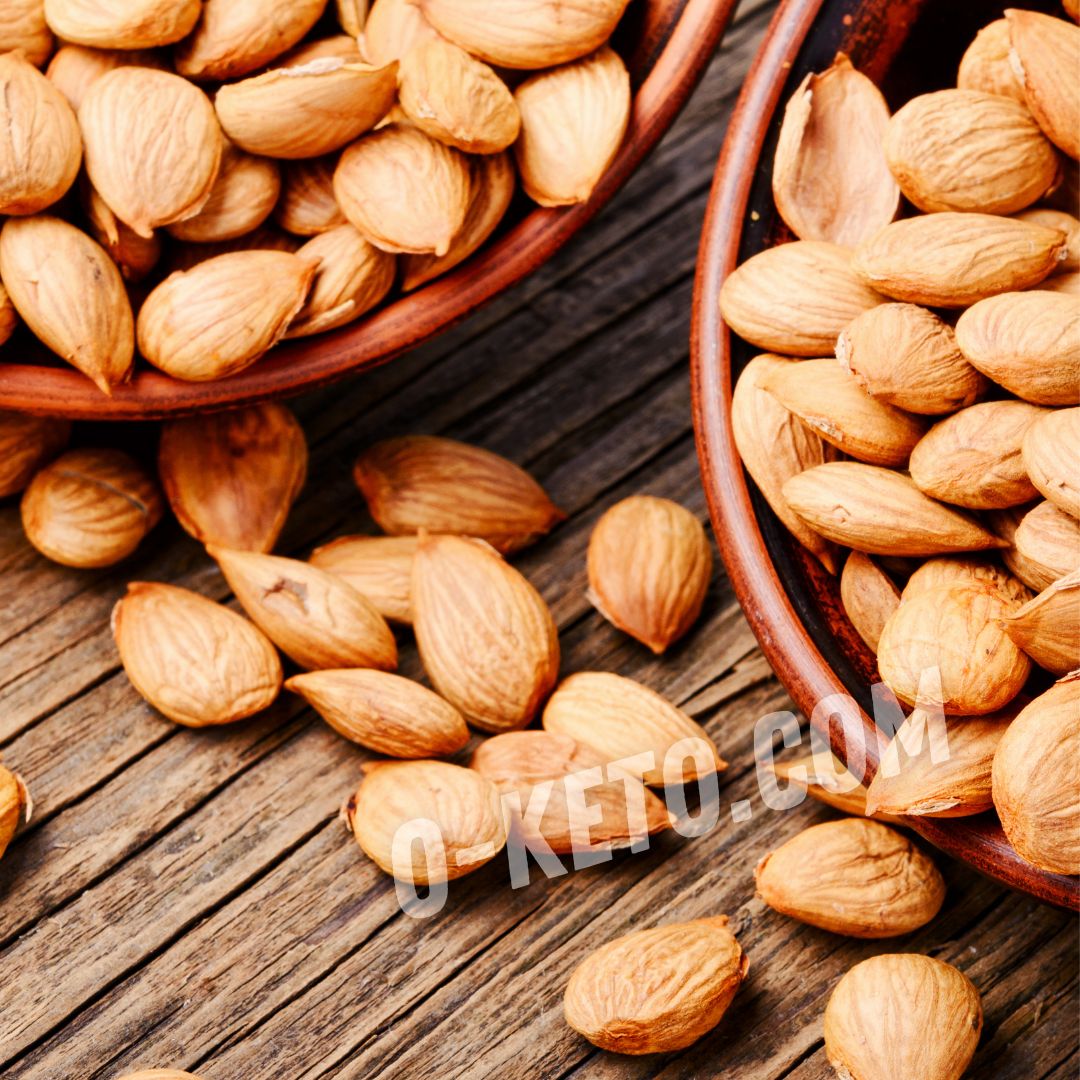

Apricot flour may be powder made from dried apricot flesh, kernels or press cake, depending on the producer. This must be clarified because products with the same name can differ strongly in flavor, fat and carbohydrates. Flour from fruit flesh will be sweeter and higher in carbohydrates; flour from kernels or press cake will be more nut-like.
On keto, it should not automatically be treated as a good wheat flour replacement. The older description listed 350 kcal, 10 g of protein, 6 g of fat and 60 g of carbohydrates per 100 g. With that profile, it is an ingredient for small additions, not a main low-carb flour.
Nutrition
If the product is made from apricot flesh, it may contain a lot of natural sugars and fiber. If it is made from kernels or press cake, the profile is closer to nut flour, but other limits may apply. Without the label, it is impossible to judge keto suitability accurately.
Apricot flour may contain fiber, vitamin E, B vitamins, magnesium, potassium and calcium. But these do not remove carbohydrates. Calling it a universal flour alternative is too broad; for low-carb eating, the exact serving matters.
Is It Keto-Friendly?
If the flour contains about 60 g of carbohydrates per 100 g, it is poor for strict keto. A small teaspoon for flavor may fit, but 30-50 g would add too many carbohydrates. It is more suitable for moderate LCHF or ordinary gluten-free baking when carbohydrates are not tightly restricted.
For keto, it is better used as an aromatic addition: a little mixed with almond, coconut or flax flour. This keeps apricot flavor present without making it the main carbohydrate source.
How to Use It
Apricot flour can add a fruity sweet-tart note, but it needs care. In dough it may increase moisture, sweetness and browning. If made from kernels, the flavor will be closer to almond and stone-fruit nut.
Practical options include:
- a teaspoon in a keto dessert for aroma;
- a small share in a mix with almond flour;
- an addition to cottage cheese or plain yogurt;
- flavoring a sauce for poultry;
- part of a dry mix outside strict keto.
How to Choose and Store
Check what the flour is made from: flesh, kernels, pits or press cake. It should not contain sugar, wheat flour, starch or flavorings. If carbohydrates are high, count it as fruit flour, not nut flour.
Store it dry, tightly closed and away from light. Fruit flour can clump from moisture, while kernel flour can turn rancid because of fats. Off smell, clumps and moisture marks are reasons not to use it.
Limits and Substitutes
The main limit is carbohydrates. Apricot flour can quickly push a recipe outside strict keto, especially if used as the baking base. Individual reactions to stone-fruit products are also possible.
For keto, almond, coconut, flax, sesame, pumpkin seed flour or psyllium are usually better. If apricot aroma is needed, use a very small dose of apricot flour, zest, vanilla or a few grams of fresh apricot in the recipe.
Portion and Recipe Mistakes
Apricot flour needs especially careful dosing. If it is made from fruit flesh, even a small increase quickly adds sugars and fruit flavor. In a keto recipe, start with a teaspoon and check whether the aroma is enough.
Baking with this flour may brown faster than with almond or coconut flour. A lower temperature and slightly longer time may work better. If it is added to cream, let the mixture stand: fiber absorbs moisture and the texture becomes thicker.
A common mistake is treating apricot flour as “gluten-free, therefore keto.” A gluten-free product can still be very high in carbohydrates. For low-carb eating, the deciding point is not gluten absence, but carbohydrates per serving.
How to Fit It Into Keto Baking
Apricot flour is better treated as an aromatic addition, not the structural base of dough. If a recipe needs stability, the base usually comes from almond flour, coconut flour, eggs, psyllium or flax flour, while apricot flour is added in a small share. This gives flavor without making the dough too fruity and high in carbohydrates.
In creams and fillings, this flour needs time to swell. After mixing, texture may change within 5-10 minutes, so do not add a lot of liquid immediately. For poultry sauce or cottage cheese cream, a pinch or a teaspoon for several servings is often enough.
Substitution options in recipes
Almond flour. Plus a drop of bitter almond extract. Apricot kernels are rich in amygdalin and have a slight bitterness. Almond replicates the texture, while the extract complements the "marzipan" aftertaste; keep the flavoring dose minimal (0.05%).


