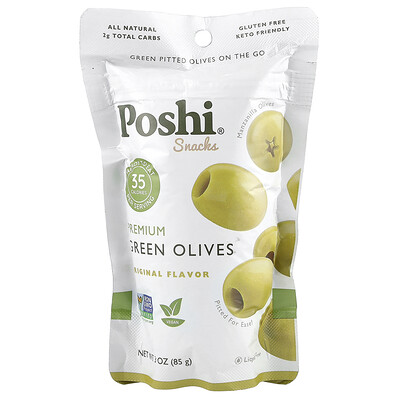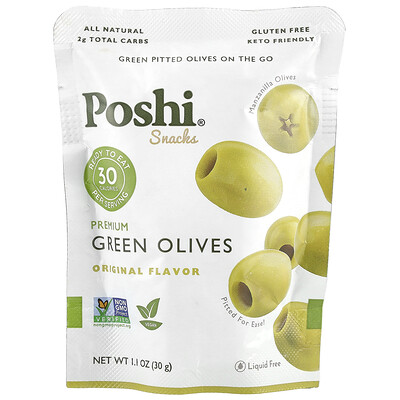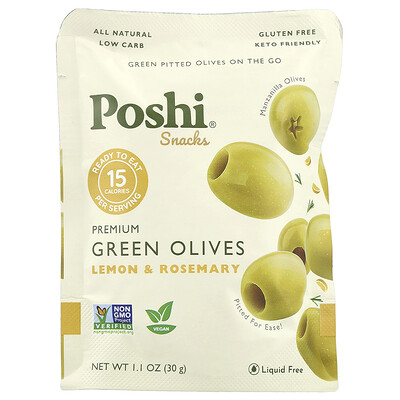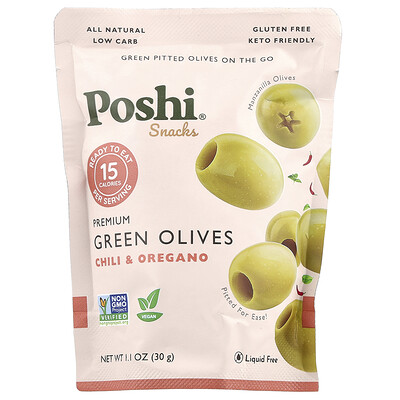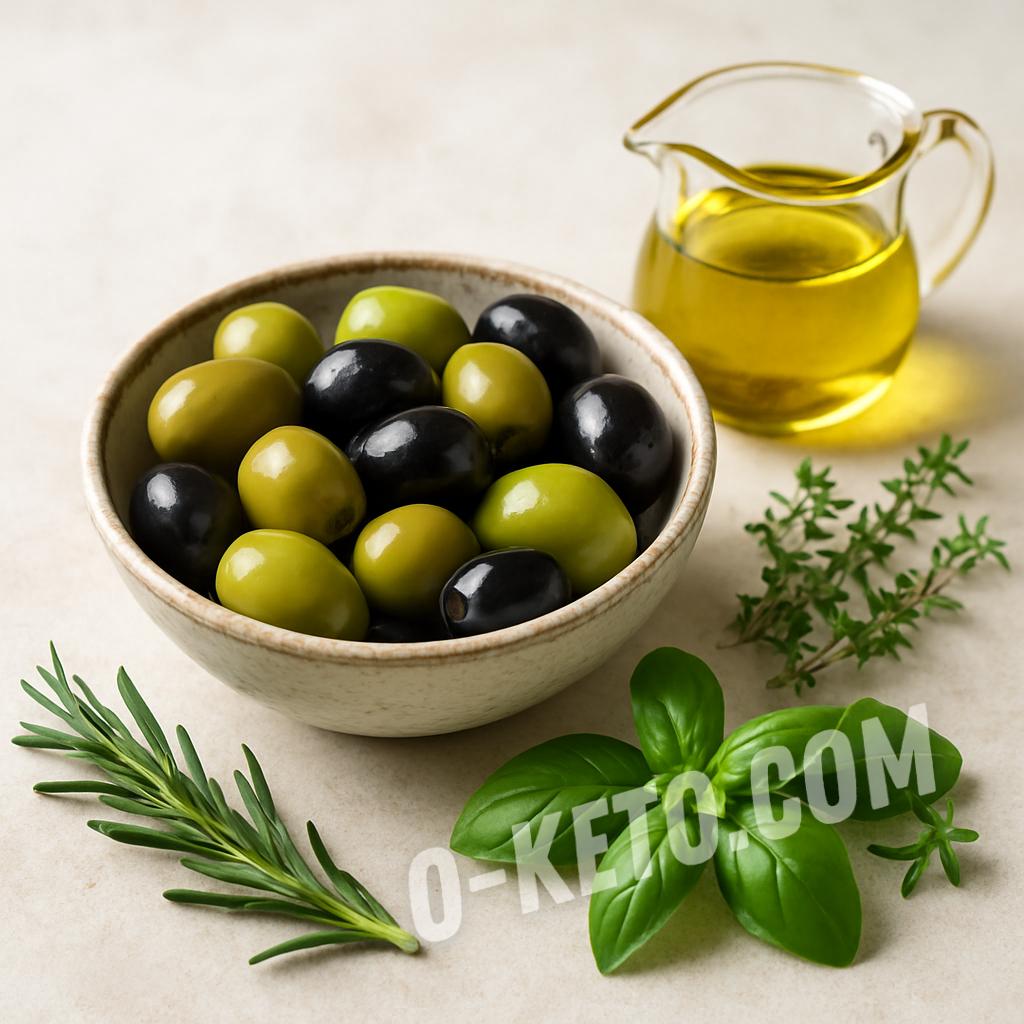

Olives are the fruits of the olive tree and are almost always eaten after fermentation, brining, curing, or another form of processing. Fresh olives are too bitter because of natural phenolic compounds, so they are soaked, salted, fermented, or preserved. Once prepared, olives bring a salty, oily, sometimes slightly bitter flavor and work well as a small but vivid ingredient.
For keto and LCHF, olives are convenient: they contain few digestible carbohydrates, some fat, and a lot of flavor. But they are not a protein food and should not be the base of the plate. More often they complement salad, cheese, fish, eggs, meat, or an appetizer board, adding saltiness and a Mediterranean character.
Nutrition
Average values for 100 g of canned olives are about 110-150 kcal, 10-15 g fat, a little protein, and roughly 3-6 g carbohydrates, some of which is fiber. The range is wide because green, black, dry-cured, stuffed, and oil-packed olives differ in composition.
The main fatty acid in olives is oleic acid. The fruit also contains fiber, vitamin E, polyphenols, iron, copper, and calcium in small or moderate amounts. The most important practical component is sodium: brined olives can be very salty.
Are They Suitable For Keto
Olives usually fit keto well when the portion is moderate and the ingredient list contains no sugar. A practical amount is 30-50 g as an addition to salad, meat, fish, or cheese. This portion adds flavor and fat without turning the meal into a large salty snack.
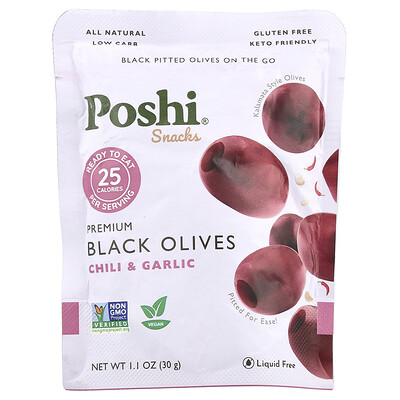
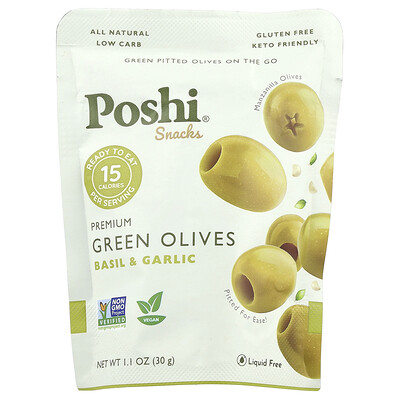
Check not only carbs but also the marinade. Sweet brines, starchy fillings, sauces, and ready-made olive salads may add sugar, flour, or unnecessary vegetable oils. The clearest ingredient list is olives, water, salt, vinegar or lactic acid, spices, and herbs.
Green, Black, And Dry-Cured
Green olives are harvested earlier, so they are usually firmer, brighter in flavor, and better at holding their shape. Dark olives may be fully ripe or darkened during processing, so color alone does not prove quality. Dry-cured olives are more concentrated in flavor and salt, while oil-packed olives are often higher in calories because of added oil.
Stuffed olives need a closer ingredient check. Almond, anchovy, pepper, or cheese can be a normal filling, but sweet pastes, bread-based fillers, and thick sauces fit keto less well.
How To Use
Olives are best as an accent. Add them to Greek salad, tuna and egg salads, baked fish, chicken, lamb, omelets, sauces, and tapenade. For tapenade, olives are blended with olive oil, capers, garlic, herbs, and lemon juice.
Strong saltiness is balanced by cucumber, avocado, leafy greens, lemon, unsalted cheese, eggs, and lean fish. In hot dishes, olives are best added near the end so they keep their shape and do not make the sauce too salty.
How To Choose
When buying, check the ingredient list, salt content, sugar, and type of brine. Whole olives without a cloudy thick sauce are usually easier to evaluate. In a glass jar, it is easier to see size, color, brine condition, and the absence of excess sediment.
After opening, the smell should be sour, salty, and olive-like, not rotten or yeasty. A slimy soft surface, swollen lid, strange fizzing, or mold are signs that the product should not be used.
Limits
The main limit is salt. If sodium needs to be reduced, olives can be rinsed with water, less salty varieties can be chosen, and the portion can be kept small. Fermented foods may also be unsuitable for people with individual sensitivity to such snacks.
Pitted olives require care, especially in snacks for children or guests. Sliced and stuffed versions are more convenient, but they lose firmness faster after opening.
How To Store
Unopened jars should be stored according to the producer’s instructions. After opening, keep olives refrigerated and fully covered with brine or oil. Use a clean spoon to take them out. If there is too little brine, the fruit dries out and spoils faster, so an opened jar should not be stretched out for too long.
What To Use Instead
For a salty Mediterranean accent, use capers, sugar-free pickles, artichokes in oil, a small portion of sun-dried tomatoes, anchovies, or feta. If the goal is the oily, rich note, olive tapenade or good olive oil with capers and herbs will be closer.