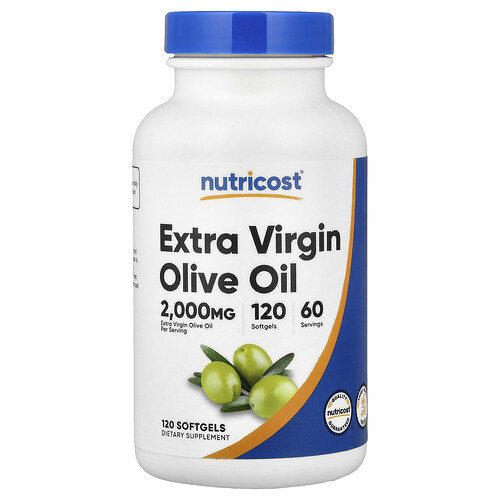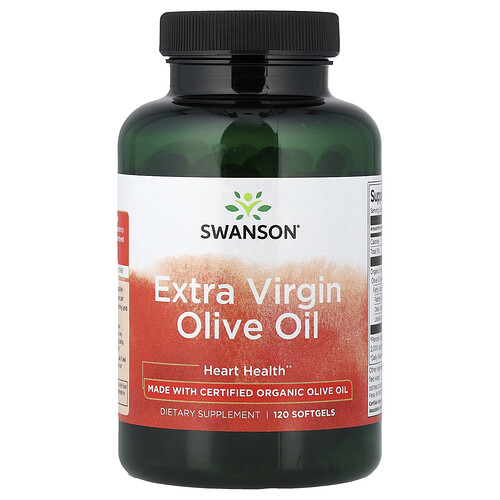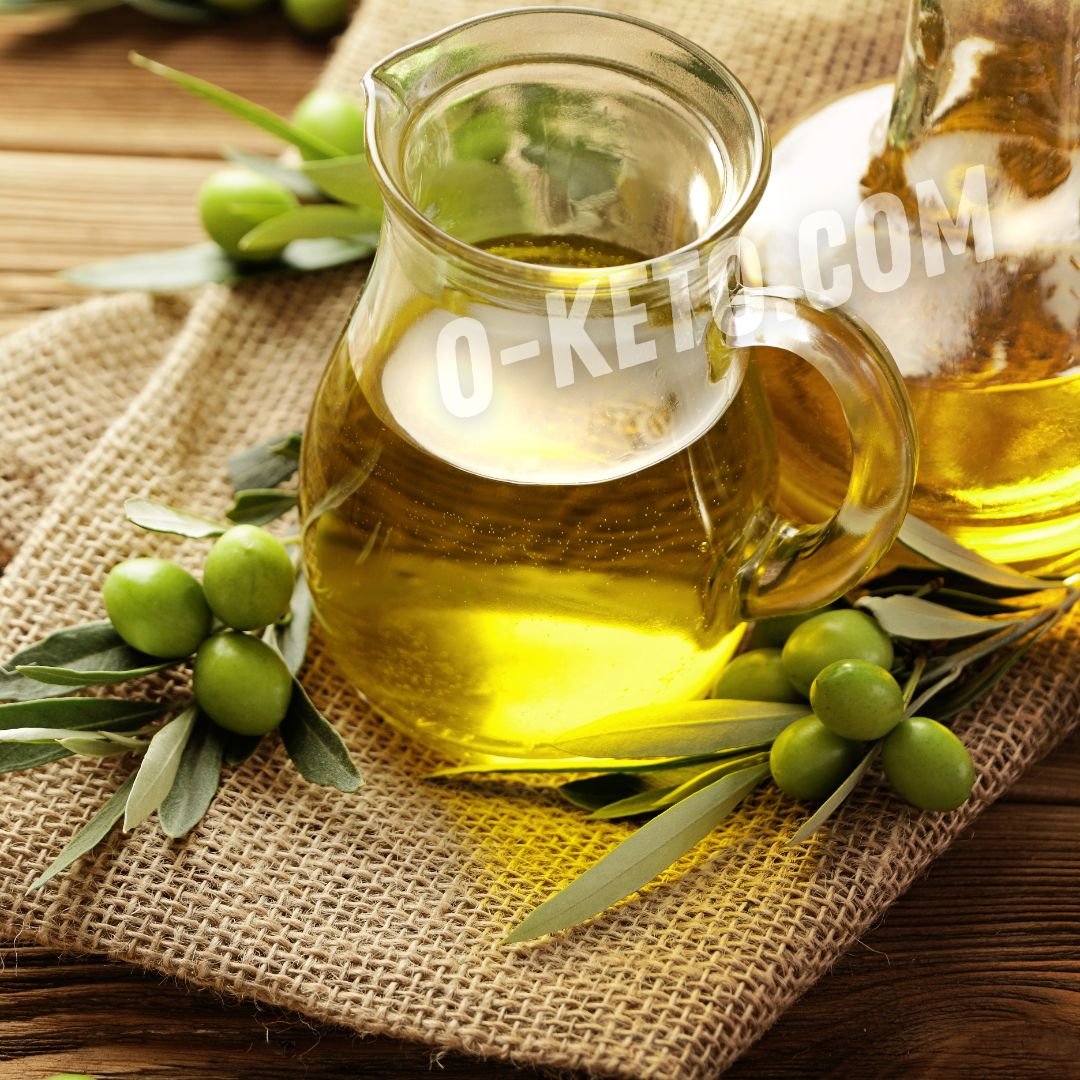

Olive oil is oil pressed from olives and one of the basic fats of Mediterranean cooking. It is used in salads, sauces, vegetables, fish, meat, eggs, marinades and finished dishes. In keto and LCHF it is convenient because it contains almost no carbohydrates and helps build a plate with fat, flavor and a better texture.
Olive oil comes in different forms: extra virgin, virgin, refined, cooking blends and flavored versions. They differ in taste, acidity, processing, heat handling and price. Extra virgin is often chosen for cold dishes because of its aroma, while a milder oil may be used for gentle cooking.
Nutrition
In 100 g of olive oil there are about 884 kcal and almost 100 g of fat. Protein and carbohydrates are practically absent. The main fatty acid is oleic acid, a monounsaturated fat. Smaller amounts of saturated and polyunsaturated fats are present, along with vitamin E, vitamin K and plant polyphenols in varying amounts.
For everyday eating, portion and quality matter more than big claims. One tablespoon gives roughly 120 kcal. This is useful on keto when fat needs to be added to vegetables, fish or lean meat, but the oil should still be measured if total dish calories matter.
Is It Keto-Friendly?
Pure olive oil fits keto well by composition: it has almost no carbohydrates. It works in salads, sugar-free mayonnaise, sauces, roasted vegetables, fish, chicken, eggs and cold appetizers. Problems usually come not from the oil but from what is mixed with it: sweet balsamic glaze, honey, sugary sauces, bread and coatings change the dish.
For strict keto, simple dressings are easier: oil, lemon, sugar-free vinegar, salt, pepper, garlic, herbs and sugar-free mustard. This keeps flavor clear and avoids hidden carbohydrates.
How to Use It
Extra virgin works especially well in cold dishes: salads, cooked fish, cheese, vegetables and herb sauces. Suitable olive oil can be used for moderate-heat cooking, but it should not be heated until it smokes. If a dish needs very high heat, choose a fat better suited to that task.
Practical options include:
- salad dressing with lemon and herbs;
- sauce for fish, chicken or eggs;
- oil for roasting zucchini, eggplant, broccoli or cauliflower;
- base for homemade sugar-free mayonnaise;
- a final accent for cream soup or warm salad.
How to Choose
Good oil is sold in a dark bottle or tin, with a clear bottling or harvest date. Extra virgin can taste grassy, fruity, peppery or slightly bitter. That is fine when the aroma is clean. Mustiness, an old-nut smell or a flat greasy taste suggest that the oil has lost freshness.
A large bottle makes sense only with frequent use. If oil stays open for months, it gradually loses aroma. In a kitchen where olive oil is used rarely, a smaller bottle is more practical.
Storage
Keep olive oil tightly closed, away from light, heat and the stove. A refrigerator is not required for every bottle, but a warm windowsill or shelf above the oven is a poor place. Sediment or slight cloudiness when cold does not always mean spoilage; after returning to room temperature, the oil usually becomes clearer again.
Flavored oils with garlic, herbs or pepper need extra care. Homemade infusions are better made in small portions and kept cold because fresh additions change shelf life.
Flavor and Pairings
Different oils behave differently in dishes. A mild fruity oil works well with salad leaves, fish and cheese, while a more peppery oil suits meat, eggplant, tomatoes, olives and herbs. If the oil tastes too bitter, the bottle is not always useless: sometimes it works better in a sauce with lemon, salt and garlic than tasted plain from a spoon.
For keto, olive oil is especially convenient with foods that need extra fat: chicken breast, white fish, cauliflower, zucchini, green salad and eggs. It adds flavor, but it should not replace the whole structure of the meal.
Limits and Substitutes
Olive oil is calorie-dense, so a generous pour can add more energy to a dish than expected. For sensitive digestion, a large portion of fat may feel heavy. If extra virgin tastes too strong, use a milder oil or mix it with lemon, sour cream, unsweetened yogurt or herbs.
Substitutes include avocado oil, butter, ghee, nut oils for cold dishes or another fat chosen for the task. For salads, aroma and freshness matter; for frying, heat handling matters; for sauces, taste and texture matter.
Sources
Key sources on the product composition, safety, and use:
- Effect of Extra Virgin Olive Oil on Anthropometric Indices, Inflammatory and Cardiometabolic Markers: A Systematic Review and Meta-Analysis of Randomized Clinical Trials
- Primary Prevention of Cardiovascular Disease with a Mediterranean Diet Supplemented with Extra-Virgin Olive Oil or Nuts