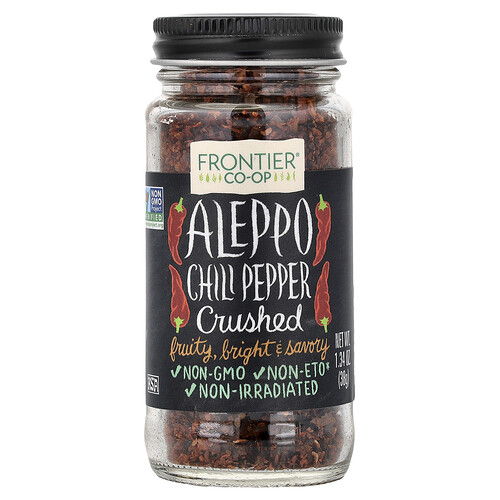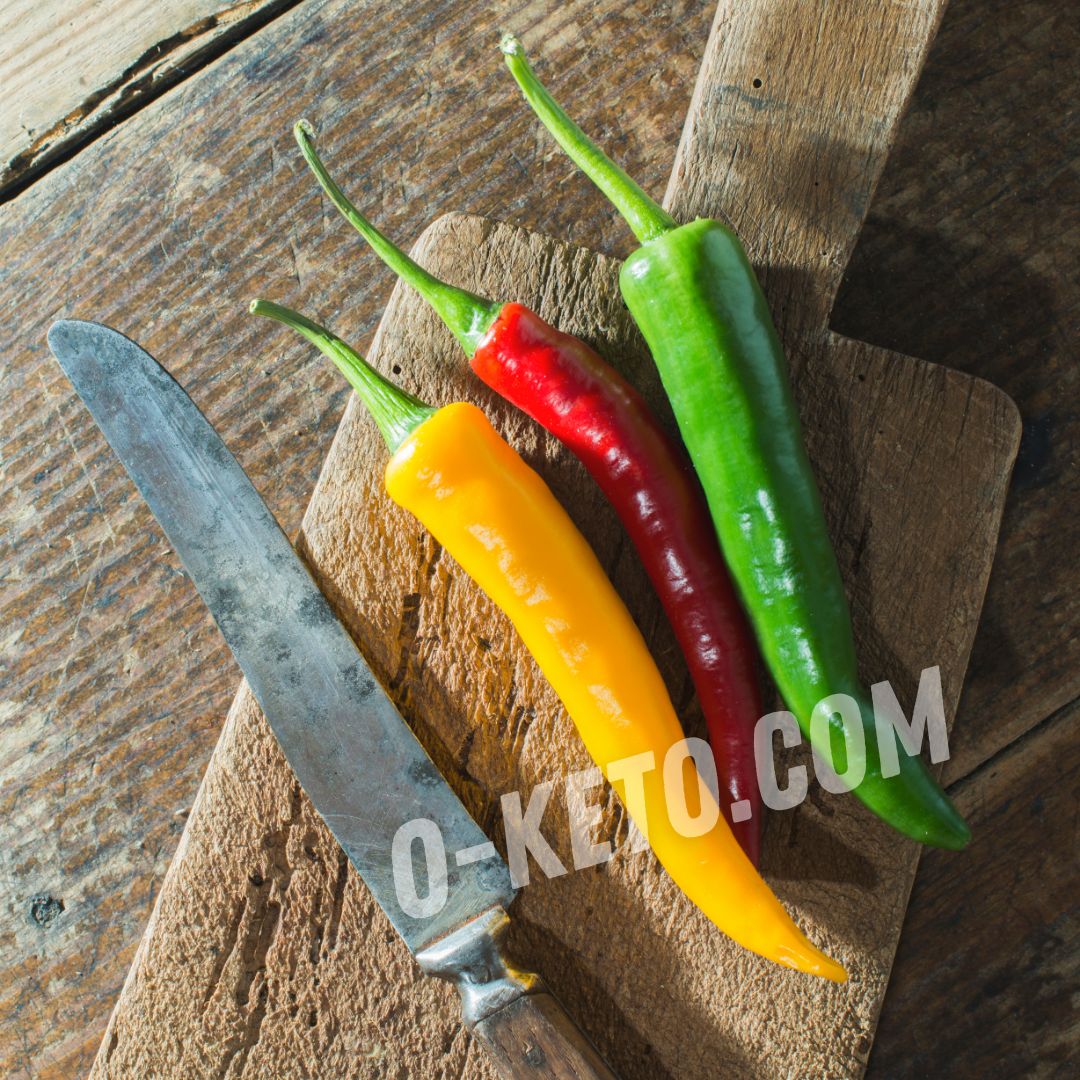

Chili pepper is not one variety but a large group of peppers with different heat levels, aromas, shapes, and colors. Some varieties are fruity and slightly sweet, others are grassy, smoky, or almost pure heat. The burning sensation comes from capsaicin, which is concentrated in the ribs and around the seeds. The same pepper can be made milder by removing the white inner parts.
In cooking, chili is used fresh, dried, ground, fermented, pickled, smoked, and as pastes. It adds not only heat but also a bright aroma. For low-carb menus it is a useful way to make meat, fish, eggs, vegetables, cheese sauces, and soups taste stronger without sugar, starch, or ready sweet sauces.
Nutrition
Fresh hot pepper usually has about 35-45 kcal per 100 g, roughly 1-2 g of protein, less than 1 g of fat, and about 8-9 g of carbohydrates, part of it as fiber. The real serving is almost always much smaller: one small pepper, a few rings, or a pinch of flakes. That means the carbohydrate contribution is usually low when chili is used as a spice rather than eaten by the bowl.
Chili contains vitamin C, carotenoids, potassium, and aromatic compounds, but it should not be treated as a main nutrient source. Its practical value is flavor, heat, and the ability to make a simple dish brighter. The glycemic index of fresh chili is usually listed as low, around 15, but for normal servings the amount used and the rest of the dish matter more.
Fit for keto and LCHF
Fresh or dried chili without sugar fits keto and LCHF well. It can be added to omelets, minced meat, chicken, fish, shrimp, stewed vegetables, cauliflower, zucchini, salads, cheese sauces, sour-cream dips, and herb butter. Heat can make fatty dishes taste less heavy.
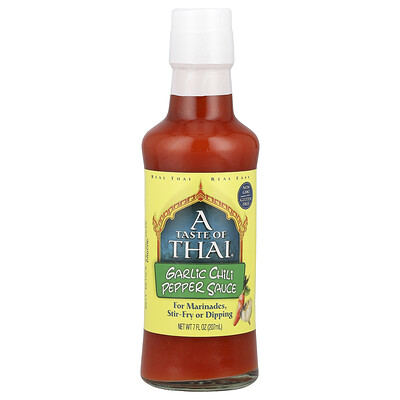
The main keto issue is not the pepper itself but ready sauces. Many chili sauces, sweet chili, sriracha, marinades, and pastes contain sugar, syrups, starch, or fruit puree. If the product is liquid or slightly sweet, the label needs careful reading. Plain chili flakes, cayenne pepper, and fresh peppers are easier to control.
How to use it
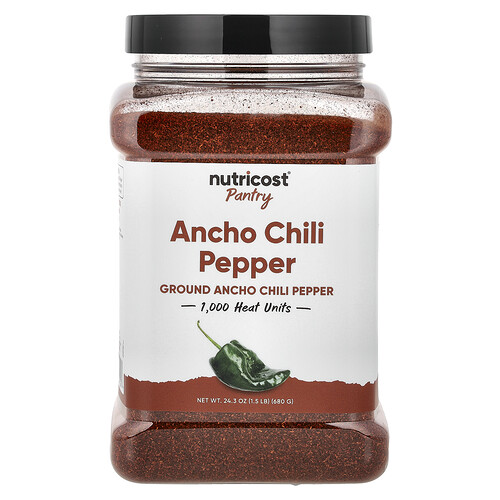
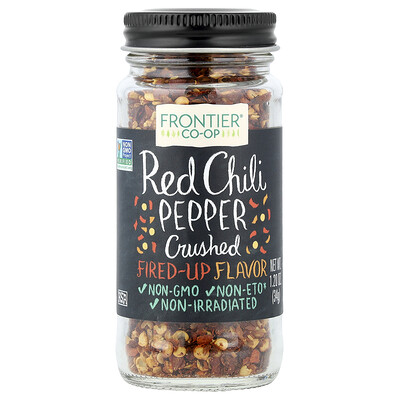
Heat is best added gradually. Fresh pepper can be sliced into rings, chopped finely, or crushed into a paste with salt, garlic, and oil. Dried flakes open well in hot fat, so they are often warmed in oil or added early in cooking. Ground chili spreads quickly, but it can become harsh if too much is added.
Chili pairs well with garlic, lime, lemon, cilantro, parsley, cumin, coriander, paprika, ginger, unsweetened coconut milk, tomatoes in a moderate portion, avocado, and sour cream. Fat softens the burn, acidity makes the taste fresher, and salt helps the aroma open. If a dish becomes too hot, add a fatty base or more neutral ingredients rather than sugar.
How to choose
Fresh chili should be firm and glossy, without soft spots, mold, or wrinkled skin. Green peppers often smell grassier; red and orange peppers may be sweeter and fruitier. Dried chili should smell bright, without stale or rancid notes. Ground powder should not be gray-brown, which often means the product is old.
If controlled heat is needed, choose medium-hot varieties and add them in small portions. Very hot peppers are best cut with gloves, and eyes should not be touched after handling them. Seeds are not the main source of heat by themselves, but they are often coated with capsaicin from the ribs, so removing them makes the taste milder.
Tolerance and limits
Chili does not suit everyone. With a sensitive stomach, reflux, irritated mucosa, or a reaction to hot spices, even a small portion may cause discomfort. In those cases, milder paprika, smoked paprika, or aromatic herbs may work better than hot pepper.
After cutting chili, wash hands thoroughly and rinse the board and knife right away. Capsaicin does not wash off well with water alone; oil or dish soap helps. If pepper burns the skin, avoid rubbing the area and gently remove the fat-soluble residue.
Storage and substitutes
Fresh chili keeps in the refrigerator in a bag or container with a little air flow. For longer storage, it can be frozen whole or chopped, dried, or made into a paste with salt and oil. Dried and ground pepper should be kept tightly closed in a dark dry cabinet.
Substitutes depend on the goal. For heat, use cayenne, chili flakes, jalapeño, or a sugar-free hot sauce. For aroma without strong heat, choose paprika, smoked paprika, black pepper, ginger, or garlic. If fresh crunch is needed, mild bell pepper can be combined with a small pinch of hot powder.