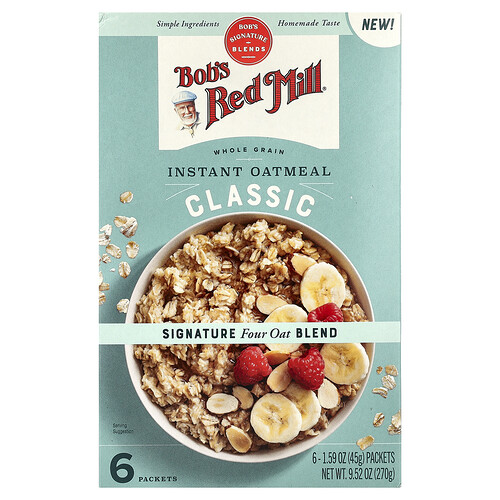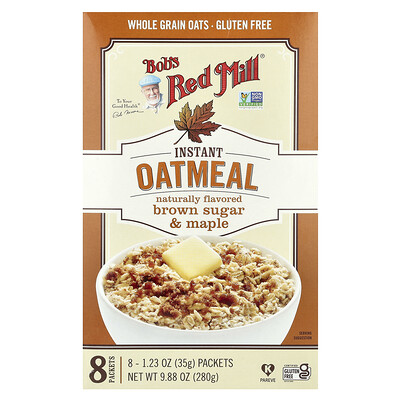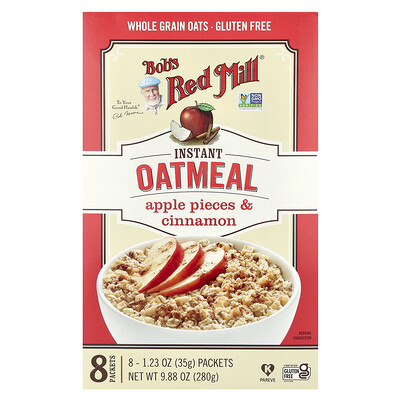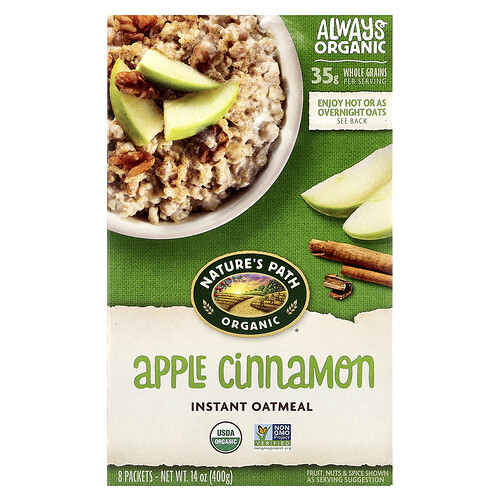


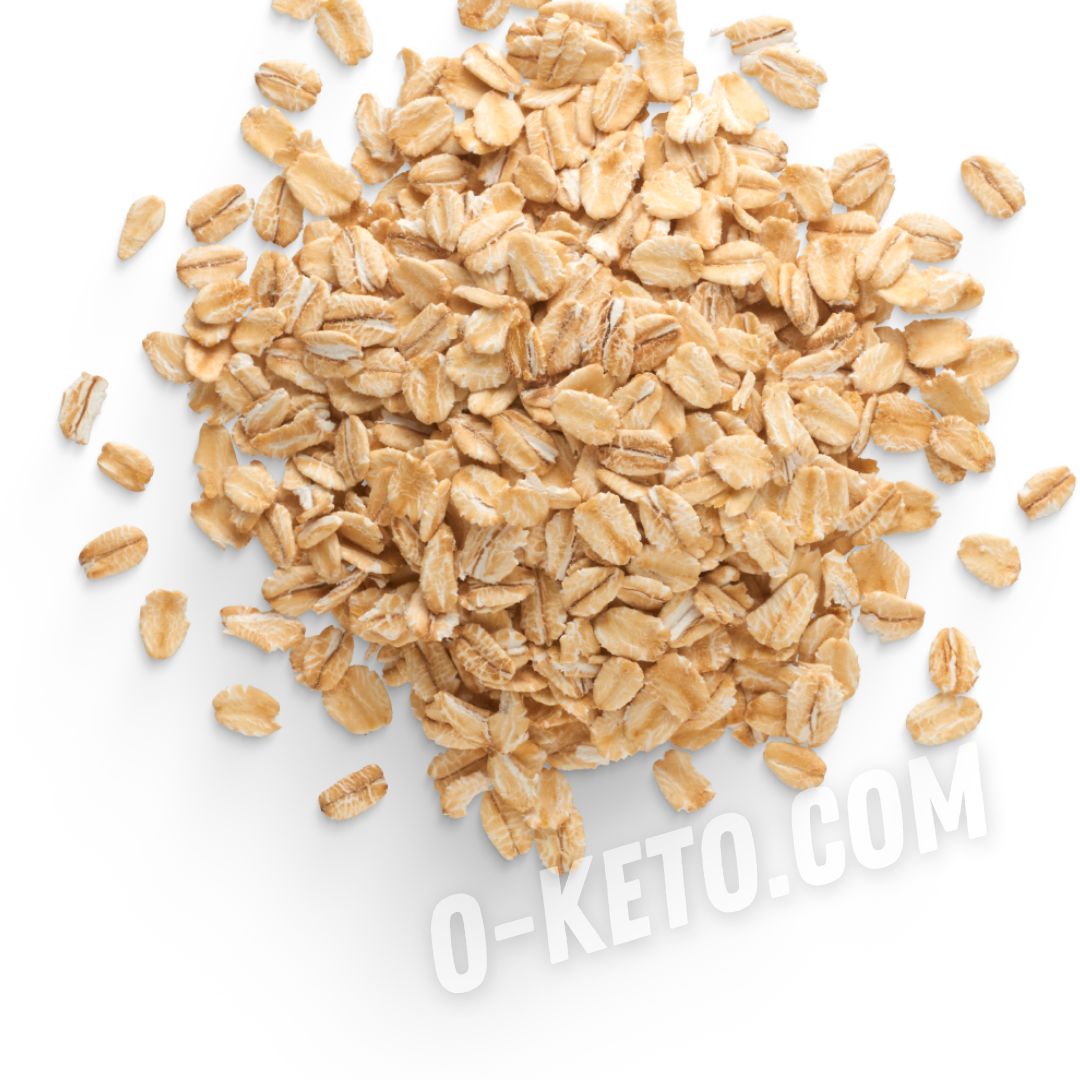

Oatmeal is oat groats or flakes used for porridge, granola, breading, bars, dough, smoothies, and thick drinks. The taste and behavior depend on processing: whole oats cook longer and stay firmer, rolled oats give the familiar soft porridge, and instant oats cook fastest and usually create a stronger glycemic response. In a regular diet this is a convenient food, but for strict keto oatmeal remains difficult because of its carbohydrate load.
The main mistake is treating oatmeal as “light” only because it is plain and not sweet. In dry form it is a concentrated grain base. After cooking, the volume increases two to three times, but the carbohydrates do not disappear; they are simply spread through a heavier cooked portion.
Nutrition profile
In 100 g of dry oats there are usually about 370–390 kcal, around 16–17 g protein, 6–7 g fat, and about 60–66 g carbohydrate. Some of the carbohydrate is fiber, including beta-glucans. Oats also contain magnesium, iron, zinc, manganese, and B vitamins. These qualities do not change the main practical point: most of the product is starchy carbohydrate.
The glycemic index depends on form. Whole and steel-cut oats are usually lower, while thin flakes and instant products are higher and may reach about 70–75. The more the grain is flattened, milled, and preprocessed, the faster it cooks and the less convenient it is for carbohydrate control.
Is it suitable for keto?
For strict keto, oatmeal usually does not work as porridge or a breakfast base. Even a small bowl can take a large share of the daily carbohydrate budget. In softer LCHF, with a higher personal limit, or after training, a small portion may sometimes fit, but that is an individual compromise rather than a universal keto food.
If oatmeal stays in the menu, choose whole or steel-cut oats, measure the dry product in advance, and avoid sugar, honey, syrups, banana, raisins, and sweet milk. A more controlled low-carb serving is a small portion with heavy cream, butter, nuts, cinnamon, unsweetened yogurt, or seeds, but the carbohydrates still need counting.
How to use it
Oats are cooked with water, milk, or water mixed with cream; added to savory patties as a binder; milled into oat flour; used in breading and homemade bars. In low-carb cooking, these uses often need replacement or a much smaller portion. Oat flour does not become keto because it is milled; in carbohydrate terms it is still oats.
If you want porridge texture without grain, make “noatmeal” from chia, flax, hemp seeds, coconut flakes, nut flour, cream, and water. The flavor is different, but it gives a warm thick bowl without a large grain base.
How to choose
For slower cooking and firmer texture, choose whole oats or steel-cut oats. For quick porridge, rolled oats are convenient, but they are less helpful for portion control. Instant packets with flavors, sugar, milk powder, and fruit fillings are best avoided. On the label, check not only calories, but also carbohydrate per dry product.
What to pair with it
Oatmeal pairs well with cream, butter, nuts, seeds, cinnamon, unsweetened cocoa, plain yogurt, and a small amount of berries. For a savory version, egg, cheese, mushrooms, greens, and a little bacon work. Dried fruit, syrups, honey, sugar, large fruit portions, and sweetened plant drinks raise carbohydrates quickly.
Limits
Oats do not contain gluten the way wheat does, but they are often contaminated with traces of wheat, rye, or barley during production. People who strictly avoid gluten need certified gluten-free oats. Fiber tolerance also matters: a large bowl of porridge may feel heavy or cause bloating, especially for someone who rarely eats grain foods.
Storage
Keep dry oats in an airtight jar in a dark, dry cabinet. Flakes absorb odors and moisture easily, and because of the fat in the germ they can turn rancid over time. If the smell becomes musty or oily-bitter, do not use the product. Cooked porridge should be refrigerated in a covered container and reheated in small portions.
What can replace it?
In keto breakfasts, oatmeal is often replaced with a mixture of chia, flax, hemp seeds, coconut flakes, almond flour, cream, and nuts. For breading, use almond flour, grated hard cheese, sesame, bamboo fiber, or flax meal. For binding patties, use egg, cheese, psyllium, or a small amount of vegetable fiber instead of oat flakes.
Oat form and glycaemic response
Oats may be whole, steel-cut, rolled or instant. This is not only a cooking-time difference: particle size and starch gelatinization affect how quickly the food is digested. Larger flakes and steel-cut oats retain more structure, while instant porridge is more processed and usually produces a faster glucose response. None of these forms becomes low-carb enough for strict keto, but outside keto an intact, unsweetened form is a more meaningful choice.
Oats contain beta-glucan, a soluble fibre that becomes viscous in the digestive tract. Its effect depends on dose, processing and the whole meal, so beta-glucan should not be presented as a treatment for diabetes or weight loss. People with celiac disease should choose certified gluten-free oats because wheat contamination can occur during farming, transport and milling, and tolerance to oat avenin is individual.