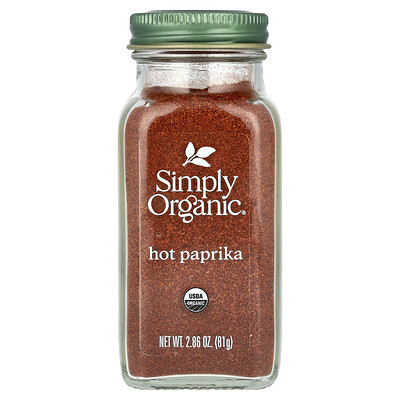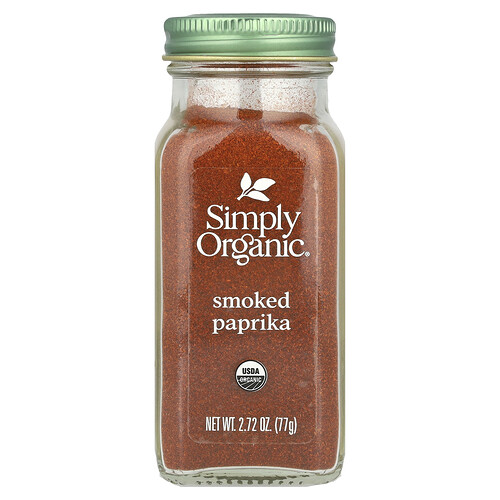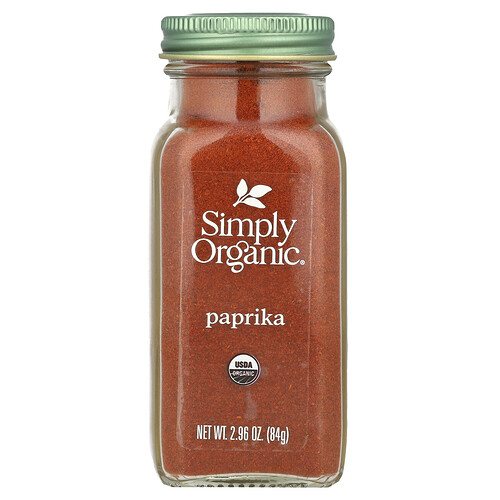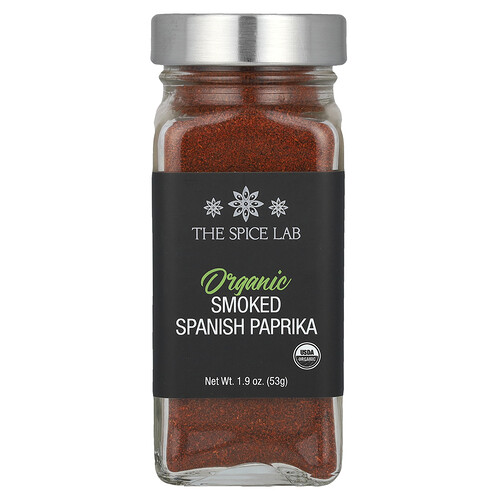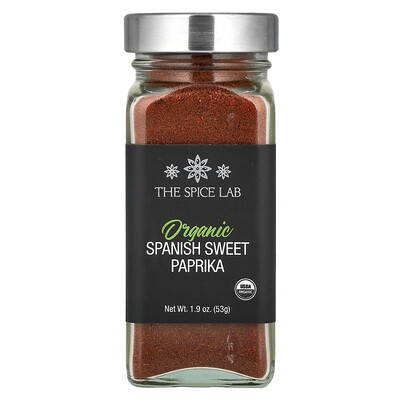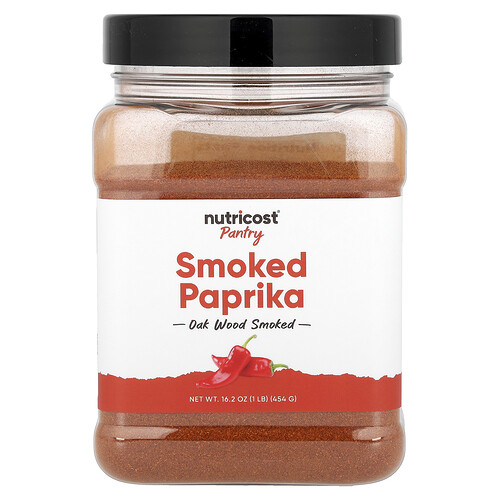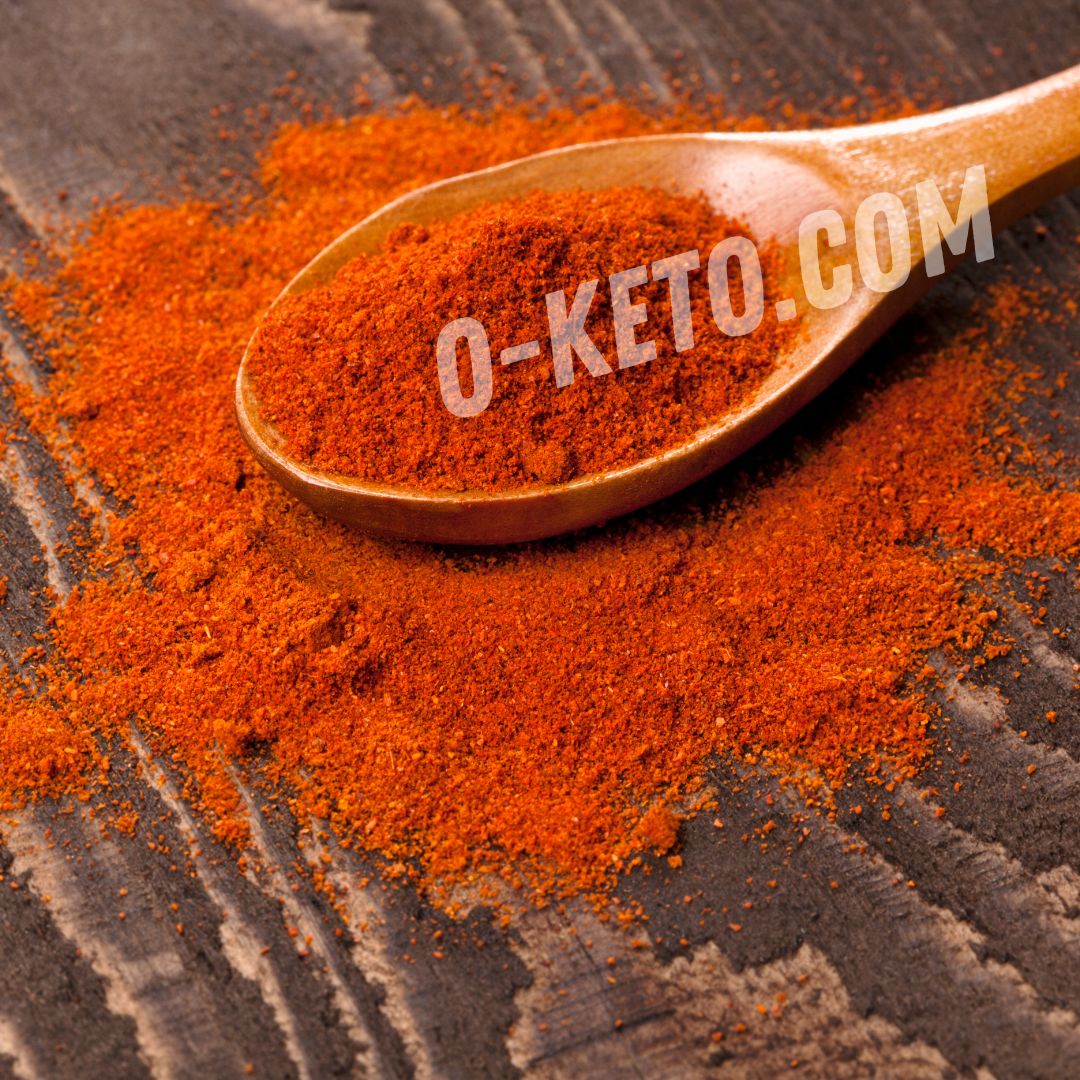

Paprika is a ground spice made from dried sweet or mildly hot peppers. It may be sweet, hot, smoked, bright red, brick-colored, mild, or intense in aroma. Unlike fresh pepper, paprika is used in small amounts and works mainly as a source of color, gentle pepper sweetness, and a warm spicy background.
Paprika is not limited to Hungarian or Spanish cooking. It pairs well with eggs, meat, chicken, fish, cheese, sour-cream sauces, vegetables, marinades, and homemade grill seasonings. In low-carb cooking, it helps create a sauce-like depth without sugar, ready ketchup, or sweet marinades.
Types of paprika
Sweet paprika gives color and a mild pepper aroma with almost no heat. Hot paprika contains more pungent pepper varieties and is closer to chili, though usually softer than cayenne. Smoked paprika is dried over smoke, so it brings a grilled, bacon-like, campfire note even to simple dishes.
Color does not always mean heat. Very red paprika may be sweet, while darker paprika may simply be smoked or old. It is better to follow the label and smell. Fresh spice smells like sweet pepper, dried fruit, smoke, or gentle spice, not dust or old oil.
Nutrition
Per 100 g, paprika may contain about 280 kcal, roughly 14 g of protein, 13 g of fat, and more than 50 g of carbohydrates, but 100 g of spice is almost never used in normal cooking. One teaspoon weighs about 2-3 g, and one tablespoon about 6-7 g. The real carbohydrate load from a pinch or spoonful is therefore far lower than the numbers per 100 g may suggest.
Paprika contains carotenoids, which give it a red-orange color. It also contains small amounts of minerals and fiber, but it should not be treated as a main nutrient source. Its role is flavor, color, and aroma. For keto, the larger concern is not plain paprika but blends where it is mixed with sugar, flour, or starch.
Fit for keto and LCHF
Plain paprika fits keto and LCHF well in normal culinary amounts. It can be added to omelets, minced meat, chicken, fish, cheese sauces, cauliflower, zucchini, eggplant, mushrooms, sour-cream dips, homemade mayonnaise, and herb butter. It helps create a rich taste without breading or sweet sauces.
Ready blends labeled for meat, chicken, barbecue, or grill need more caution. They often contain sugar, dextrose, starch, dry sauces, flavor enhancers, and too much salt. For keto, it is simpler to buy paprika as a separate spice and mix it with salt, garlic, pepper, and herbs at home.
How to use it
Paprika opens well in fat but burns easily. If it is heated in oil for too long, the taste becomes bitter and the color darkens. That is why it is often added to warm fat for only a few seconds, followed quickly by liquid, vegetables, meat, or sauce. For dry rubs, mix it with salt and oil so the powder sticks to the food.
Sweet paprika works with eggs, chicken, turkey, cottage-cheese spreads, cauliflower, and cream sauces. Smoked paprika fits pork, beef, mushrooms, eggplant, cheese, and mayonnaise-based sauces. Hot paprika works with minced meat, shrimp, tomato sauces without sugar, and vegetable stews. The types should not be swapped blindly because smoked paprika can change the whole character of a dish.
How to choose
Fresh paprika is bright, dry, loose, and aromatic. If the color is dull, the smell is dusty, and the powder has clumped, the spice has already lost part of its quality. The white-paper test can help show the shade: fresh paprika looks warm and lively, while old paprika often seems brownish.
Small packs are better because ground paprika loses aroma quickly. For smoked paprika, check the ingredient list: sometimes smoke flavor is added separately, and sometimes the peppers are truly dried over smoke. In either case, sugar, starch, and unnecessary fillers are not needed.
Storage and substitutes
Paprika should be stored tightly closed in a dark dry cabinet, away from the stove. Light and heat damage both color and aroma. After opening, it is best used within a few months, especially if it is an expensive smoked paprika with a delicate smell.
Substitutes depend on the task. For color, use a little tomato paste without sugar or sweet pepper powder; for smoke, smoked salt or a pinch of smoked chili; for heat, cayenne or chili flakes. If a mild sweet pepper note is needed, sweet paprika is better than hot blends.