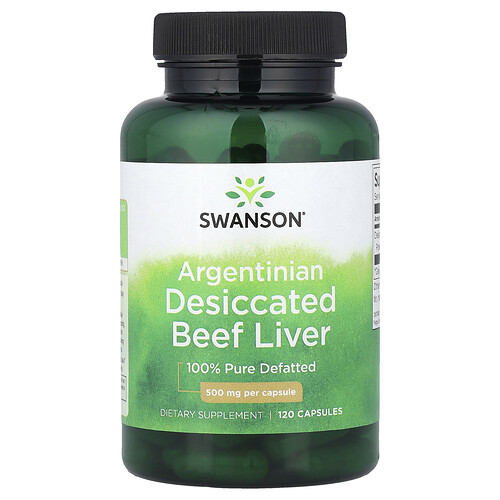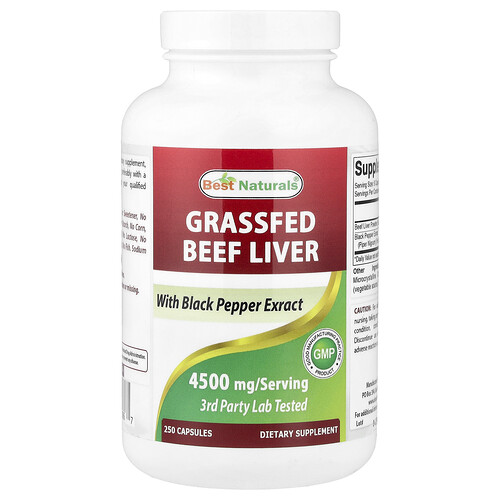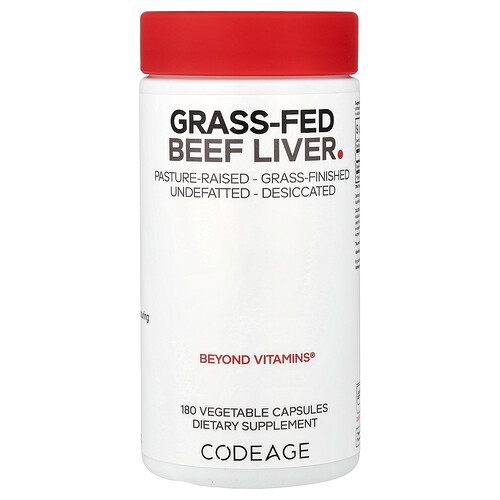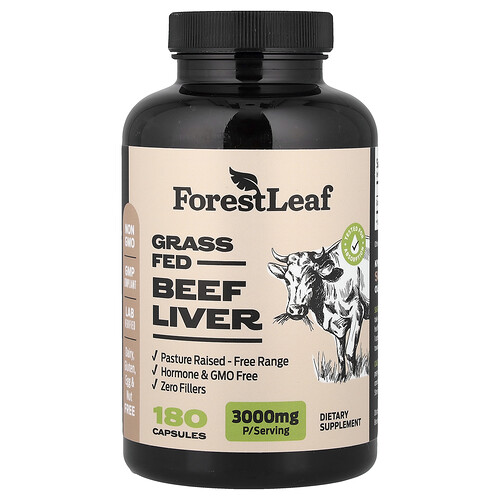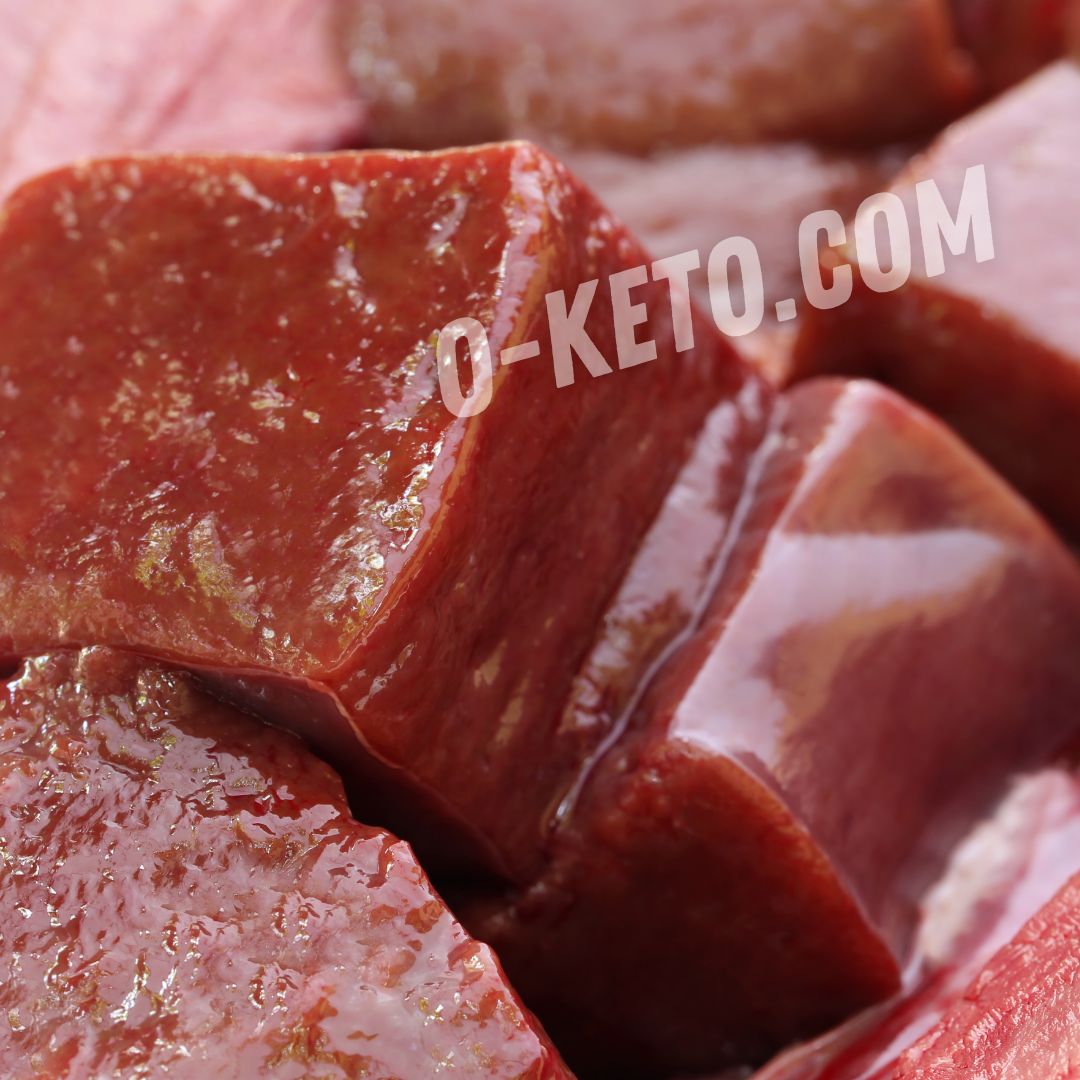

Beef liver is an organ meat with dense texture, strong meat flavor, and a very high concentration of nutrients. It is valued for protein, vitamin A, vitamin B12, iron, copper, folate, riboflavin, and choline. At the same time, its taste is pronounced and sometimes slightly bitter, so product quality, soaking, and short cooking matter more here than with an ordinary cut of meat.
This is not a “more is always better” food. Liver is nutrient-dense because many active compounds are packed into a small serving. In a diet it usually works as an occasional dish: 80–120 g at a time, not every day. This gives flavor and satiety without turning the organ meat into an excessive load of vitamin A and copper.
Beef liver differs from chicken and pork liver. It is denser, larger, drier, and has a stronger taste. Chicken liver is softer and gentler, calf liver is more delicate, while beef liver needs careful slicing and quick cooking methods. If it stays on heat too long, it becomes tough, dry, and grainy.
Nutritional value
In 100 g of beef liver there are usually about 130–150 kcal, 19–21 g of protein, 3–5 g of fat, and roughly 3–5 g of carbohydrates as glycogen. Carbohydrates are low, but not zero. For keto this is usually acceptable if the portion is moderate and the dish does not contain flour, sweet sauce, or starch-thickened gravy.
The strong point is micronutrient density. A small portion contains a lot of vitamin A, B12, iron, copper, selenium, phosphorus, folate, and choline. Because of this density, it does not need to be an everyday menu base. It is better included from time to time, alternating with meat, fish, eggs, and other protein foods.
Is it suitable for keto?
Beef liver fits keto and LCHF when cooked without breading and sweet additions. Good pairings include butter, ghee, a small amount of onion, mushrooms, flour-free cream sauce, eggs, cucumbers, herbs, cauliflower, zucchini, and tart unsweetened sauces. The liver itself is not very fatty, so butter or sauce helps balance the dish.
Be careful with classic recipes where slices are dredged in flour, stewed with a large amount of onion, mixed with sweet wine, sugar, starch, or served with potatoes. The organ meat itself can be low-carb, but the side dish and gravy can easily change the final result.
How to choose
Fresh beef liver should be moist but not slimy, with an even burgundy-brown color and a clean meat smell. Gray spots, greenish areas, stickiness, sharp ammonia smell, and a lot of dark liquid are poor signs. Frozen product should be free of a thick ice layer and dry white freezer marks.
If possible, choose cleaned slices or a piece without large ducts and membranes. The membrane and coarse vessels should be removed before cooking: they give toughness and unpleasant texture. For a milder taste, pieces are sometimes soaked for 30–60 minutes in cold water, milk, or cream, then dried well.
How to cook it
The main rule is short heat. Thin slices are quickly seared over medium or slightly stronger heat so the inside stays soft. Salt is better added closer to the end. After cooking, the pieces can rest for a few minutes under a lid: heat spreads more evenly and juices do not run out at once.
For pate, liver is cooked through but not dried out, then blended with butter, cream, spices, and, if desired, a small amount of brandy or dry wine. Keto pate does not need flour or sugar; texture comes from fat, egg yolk, cream, or soft cheese.
What to pair with
Beef liver works well with butter, ghee, thyme, black pepper, bay leaf, a little garlic, mushrooms, cucumbers, sauerkraut, lemon juice, unsweetened mustard, and herbs. Strong sweetness and heavy spices can make the taste coarse. Acidity and fat usually work better than a sugary glaze.
Limitations
Because of the high vitamin A and copper content, this product should not be eaten in large portions every day. During pregnancy, hemochromatosis, copper handling disorders, gout, strict purine limits, or a prescribed eating plan, it is better to discuss frequency with a clinician. Children need smaller portions than adults. The product should also be fully cooked when food safety requirements are higher.
How to store it
Fresh liver is best cooked on the day of purchase or the next day, kept in the coldest part of the refrigerator. Frozen product should be thawed slowly in the refrigerator and not frozen again. A cooked dish does not keep its quality for long: the taste becomes stronger and the texture firmer. Pate should be kept covered, served with a clean spoon, and not left on the table for long.
What can replace it?
By dietary role, calf, chicken, turkey, or pork liver can be used, although taste and texture will differ. For pate, chicken liver, hearts, or a mix of organ meats can work. If the goal is simply a low-carb protein food, beef, eggs, fish, or poultry are options, but they will not give the same micronutrient density in a small serving.