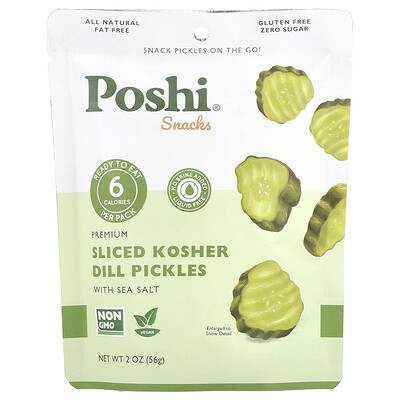
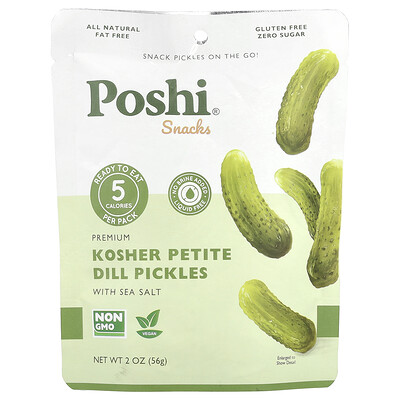
Pickles are cucumbers kept in a salty brine. In Eastern European cooking they are served as a snack, a sharp accent with meat and fish, an ingredient for salads, soups, and cold sauces. The flavor depends on cucumber size, salt level, dill, garlic, horseradish leaves, pepper, aging time, and whether the product is naturally fermented or packed in an acidic brine.
For low-carb eating, the key point is to distinguish salty pickles from sweet pickled cucumbers. A suitable version usually contains cucumbers, water, salt, spices, and an acidic environment without sugar. If the ingredient list includes sugar, syrup, honey, sweet marinade, or starchy additives, the carbohydrate content may be higher than the taste suggests.
Nutritional value
Pickles provide very few calories and little digestible carbohydrate. Most of the product is water, fiber, organic acids, and mineral salts. They contain very little protein and fat, so they are not a filling food on their own, but a flavor and texture addition to a meal.
In 100 g of sugar-free pickles, the most important points are low calorie content, a small amount of net carbohydrates, fiber, and sodium. They may also contain vitamin K, a little vitamin C, potassium, calcium, magnesium, and other trace minerals, but a normal serving does not make them the main nutrient source in the diet.
Are they suitable for keto?
Sugar-free pickles fit well into keto and LCHF. They add acidity, crunch, and saltiness while contributing very few carbohydrates. They are especially useful next to rich foods: pork, beef, fish, eggs, cheese, pate, homemade mayonnaise, or a sour cream sauce.
The practical serving depends less on carbohydrates and more on salt. For a flavor accent, 30-60 g is usually enough. In a salad, 80-120 g can work if the meal does not already contain bacon, salted fish, salty cheese, or other brined foods. When sodium is restricted, the portion should be smaller.
Salted, fermented, and pickled
Fermented cucumbers become sour through lactic fermentation: the brine acidifies naturally. Salted cucumbers may be very close to fermented ones if they were kept in brine without vinegar and sugar. Pickled cucumbers are often made with vinegar, spices, and sometimes sugar, so they can be either low-carb or sweet.
It is better to read the ingredient list rather than rely on the name. Words such as “dill,” “gherkin,” “pickle,” or “cornichon” do not guarantee the absence of sugar. For imported products, the carbohydrate and sugar lines in the nutrition table matter more than the attractive description on the jar.
Brine
Brine is often used separately: a spoonful can go into sauces, meat salads, solyanka, or a marinade for already cooked meat. It contains a lot of salt and acid, so it should not be treated like a drink. For keto, it is not a source of fat or protein, but a strong flavor addition that is better dosed carefully.
If the brine is too salty, the cucumbers can be rinsed quickly and dried before slicing. This makes the taste softer and keeps the dish from becoming oversalted. In salads this is especially important when cheese, salted fish, sausage, or mayonnaise are also present.
How to use
Pickles work as an acidic counterpoint to fat. They make meat dishes feel lighter, add crunch to salads, and give sauces a brighter taste. In hot dishes, they are usually added near the end, or used in soups where acidity is part of the idea from the start.
Good uses include:
- slice them with meat, fish, eggs, cheese, or pate;
- add them to a salad with egg, chicken, fish, or tongue;
- mix them with mayonnaise, sour cream, dill, and garlic for a quick sauce;
- use them in solyanka or a low-carb version of rassolnik;
- chop them finely for cutlets, rolls, bunless burgers, and cold appetizers.
How to choose
Good pickles are firm and crisp, without slime, mold, musty odor, or visibly spoiled brine. Brine may be slightly cloudy when the product is naturally fermented, but it should not smell rotten, alcoholic, or moldy. A closed jar should not be strongly swollen.
For keto, choose a product with a short ingredient list. Suspicious items include sugar, glucose syrup, sweet marinade, starch, ready-made sauces, and flavorings that hide weak raw material. If sodium is listed, it is worth comparing several brands because the differences can be large.
Limits and storage
The main limitation is salt. With sodium sensitivity, edema, kidney conditions, hypertension, or a prescribed salt reduction, brined foods should take only a small place in the menu. Acidic pickles can also irritate reflux, gastritis during a flare, or individual sensitivity.
After opening, keep the jar in the refrigerator and leave the cucumbers covered with brine. Take them out with a clean fork or tongs. If mold, slime, a sharp unpleasant smell, or unusual gas appears, the product should not be used.