Pink pepper is not black, white, or green pepper from the Piper genus, but dried berries of Schinus plants, most often the Brazilian or Peruvian pepper tree. That gives it a different culinary role: it does not mainly burn, but adds color, slight sweetness, fruity spice, and a delicate resinous aroma. In a dish, pink peppercorns often work both as a spice and as a garnish.
The taste of pink pepper is mild: warm, slightly peppery, sometimes reminiscent of berries, citrus, juniper, and dried herbs. The shell of the berries is fragile, so they are often not ground in a hard pepper mill, but crushed with fingers, a mortar, or the flat side of a knife. This opens the aroma quickly without turning everything into dust.
Origin and features
Pink pepper comes from plants in the cashew family, which also includes cashews and mangoes. This matters not only botanically: people who react to such foods should try it carefully. It is sold as whole dried berries, in pepper blends with pink peppercorns, and in marinades where it is added for aroma and appearance.
The name can be misleading. “Pink pepper” may be part of a mix of black, white, green, and pink pepper, but by itself it is much gentler than ordinary pepper. If it replaces black pepper one to one, the dish becomes more aromatic and softer, but does not get the same heat. If actual pungency is needed, pink pepper is better paired with black pepper, chili, or Espelette pepper.
Nutritional value
Dried spices often show a lot of carbohydrates per 100 g on the label, but the everyday serving of pink pepper is very small: a pinch, a few berries, or half a teaspoon. In that amount, the contribution to calories and carbohydrates is minimal. Counting pink pepper as a separate carbohydrate source usually matters only with very strict tracking of all spices and large amounts of blends.
Pink pepper contains aromatic compounds, plant pigments, a little minerals, and fiber, but it is used mainly for taste. The glycemic index has almost no practical meaning for such portions: what the spice is served with matters much more. If pink pepper is in a sweet sauce, marinade, cheese spread, or ready dressing, the whole composition should be evaluated.
Is it suitable for keto?
For keto and LCHF, pink pepper works well as a spice in a small amount. It makes flavor brighter without sugar, honey, fruit sauces, or breading. It is especially good in dishes with fat: cream cheese, brie, camembert, goat cheese, creamy sauce, sugar-free mayonnaise, butter, fatty fish, duck, pork, or avocado.
At the same time, the sweetish aroma can remind people of dessert pairings, so it is important not to automatically add sugar beside it. Pink pepper works beautifully with citrus, vinegar, herbs, and cheese without sweetening. Ready blends should be checked for sugar, dextrose, starch, dried fruit, and sweet glazes.
How to use it
Pink pepper is best added at the end of cooking or directly on the plate. Long boiling makes the aroma flat, and the delicate berries may soften too much. For sauces, they can be lightly crushed and stirred into a warm base. For salads and cheese plates, some berries are left whole: they give color and a soft burst of flavor when bitten.
Good pairings include cream cheese, goat cheese, brie, camembert, eggs, salmon, white fish, shrimp, chicken, pork, duck, avocado, cucumber, lettuce leaves, radish, cauliflower, mushrooms, and creamy sauces. Good aromatic partners are lemon, lime, a little orange zest, rosemary, thyme, basil, tarragon, mint, vanilla in unsweetened sauces, and a little garlic.
In keto cooking, pink pepper is especially good in quick sauces: it can be mixed with sour cream, sugar-free mayonnaise, lemon juice, and herbs; mashed into butter for fish; added to a cheese spread; or sprinkled over an omelet or avocado salad. If a stricter pepper note is needed, add a little black pepper separately.
How to choose
Fresh dried berries should be bright pink or reddish, light, dry, without gray coating or musty smell. Very dark, damp, or sticky berries store worse and may have an unpleasant aftertaste. Whole berries are usually more aromatic than a ground product because the shell protects the volatile compounds.
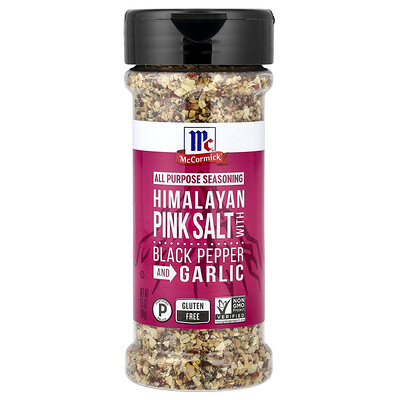
In pepper blends, pink berries are often the most fragile, so there may be pink crumbs at the bottom of the jar. This is not always a defect, but if there is too much powder, the product may have been shaken for a long time or become overdry. For neat serving, it is better to buy whole berries separately and add them by hand.
Limitations
Pink pepper may cause reactions in people sensitive to plants from the cashew family. It also may not suit those who poorly tolerate spicy essential aromas. In large amounts, the spice can irritate mucous membranes and cause discomfort, although it is milder than black pepper and chili.
For children, pregnant women, and people with sensitive digestion, very small portions are better. If pink pepper is being tried for the first time, a few berries in a finished dish are enough.
How to store it
Keep the berries in a tightly closed jar, in a dry dark place, away from the stove. Light, moisture, and heat quickly reduce aroma. It is better to grind or crush pink pepper right before serving. If the berries become sticky or smell of mold or rancid oil, they should not be used.
What can replace it?
For a similar mild spice, a mix of white pepper with a little coriander, juniper, or allspice can work, but the taste will be different. For color, a few pomegranate seeds or a pinch of paprika may work if they fit the dish. For heat, pink pepper does not replace black pepper or chili; those need to be added separately.