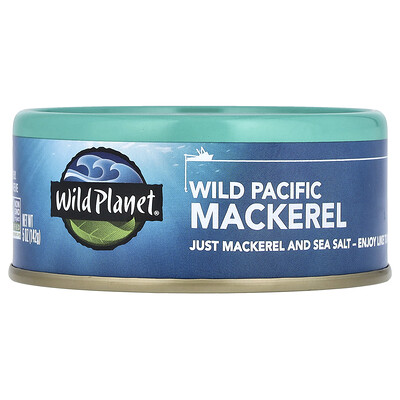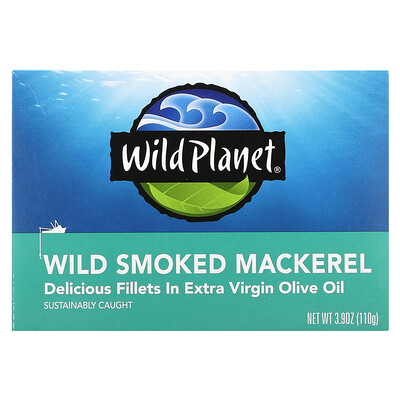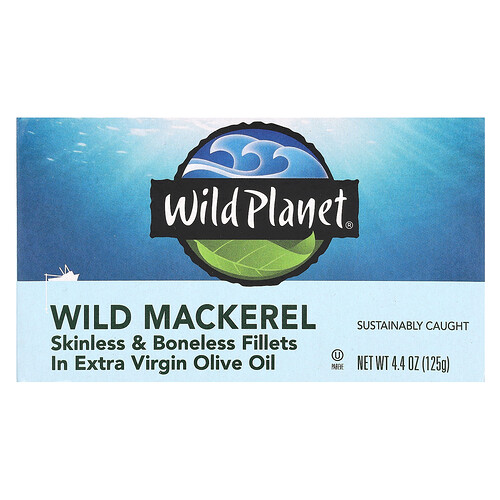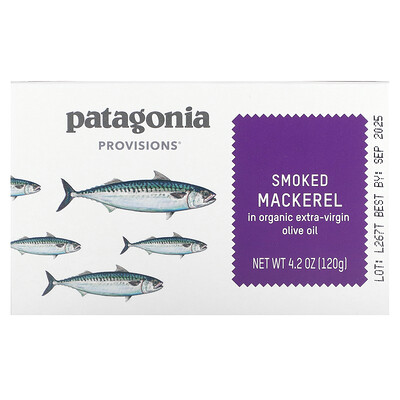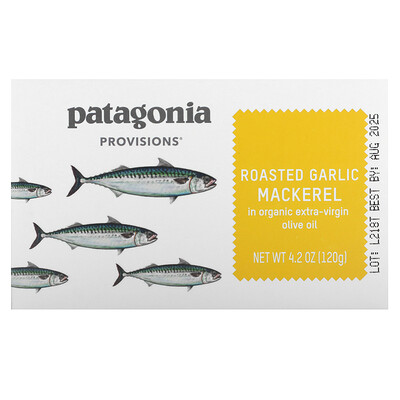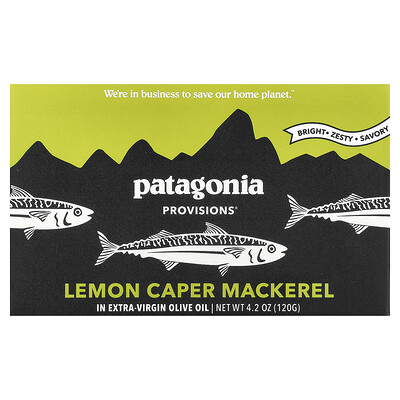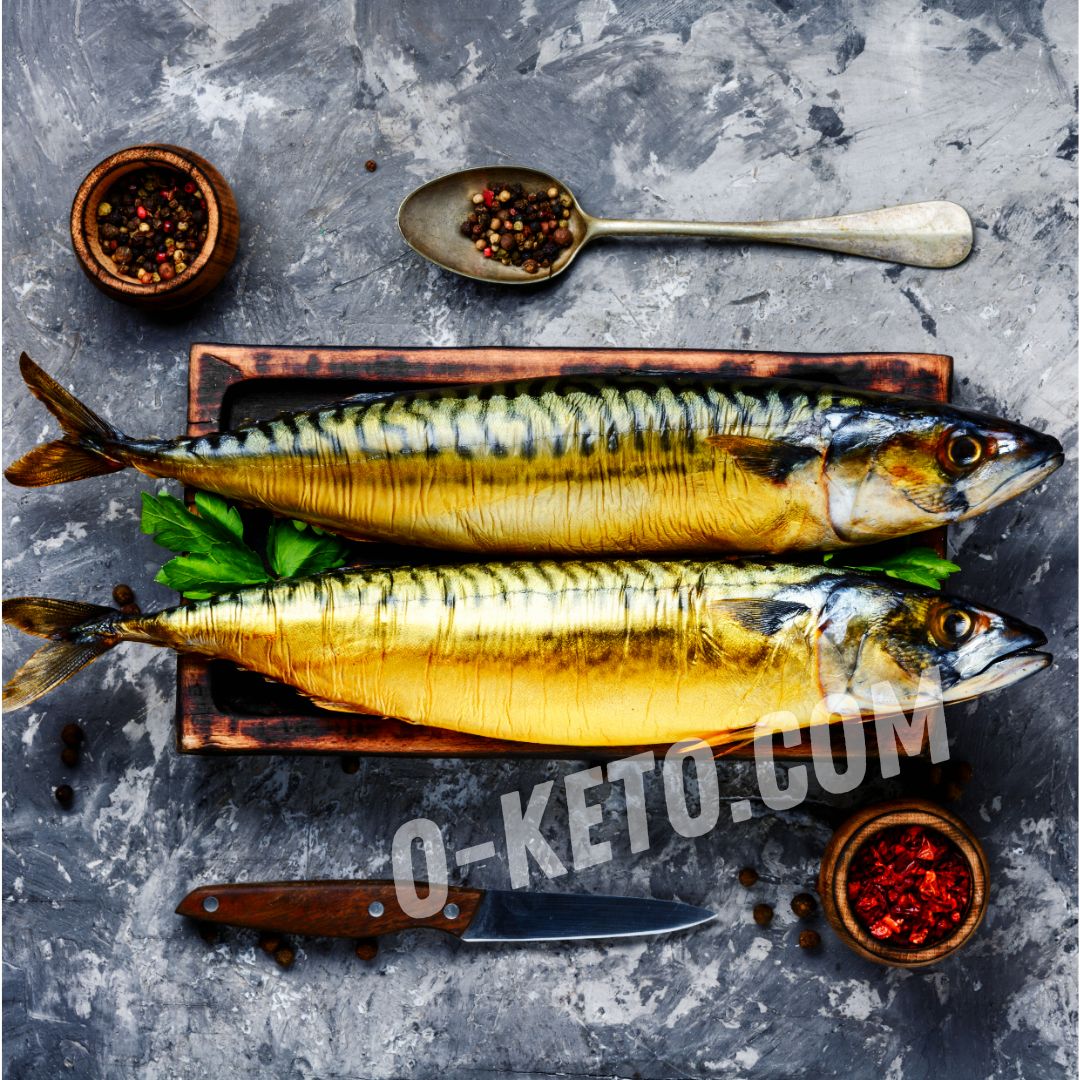

Mackerel is an oily marine fish with a strong flavor, firm flesh, and high protein content. It lives in cold and temperate seas, forms schools, and migrates actively. In shops it is usually sold frozen, chilled, salted, smoked, or canned.
For keto and LCHF it is one of the most convenient fish products: the fish itself contains no carbohydrates, while providing fat, protein, and a rich taste. But preparation form matters. Simple baked or pan-cooked mackerel is one thing; sweet marinade, bread coating, sugary sauce, or a potato side dish is another.
Nutritional value
In 100 g of mackerel there are usually about 200–300 kcal depending on species, season, and fat level. Protein is often 18–20 g, fat about 13–25 g, and carbohydrates 0 g. Smoked and salted fish may differ from raw fish in calories and salt, so the label deserves a separate look.
Mackerel contains vitamin B12, niacin, vitamin D, selenium, phosphorus, iodine, and marine fatty acids EPA and DHA. Its fat content makes it filling and convenient for low-carb eating. Unlike lean white fish, mackerel rarely needs much butter or creamy sauce.
Is it suitable for keto?
Mackerel fits strict keto well when cooked without flour, breadcrumbs, sugar, or starchy additions. A 120–180 g portion usually gives enough protein and fat for a main dish. It pairs well with leafy salad, cucumbers, cauliflower, broccoli, zucchini, avocado, or herbs.
Salted and smoked mackerel can also be low-carb, but salt, smoke quality, marinade composition, and freshness matter. Ready preserves sometimes contain sugar, vinegar brine, unknown oil, and flavor enhancers. For a regular menu, fish with a short ingredient list is easier.
How to cook it
Mackerel can be baked whole, grilled, pan-cooked, stewed with vegetables, made into rolls, pâté, or salad. Because it is oily, it works well with acid and fresh herbs: lemon, apple vinegar, parsley, dill, green onion, sugar-free mustard, and black pepper.
When baking, do not dry it out. Salt, pepper, lemon, and a short time in the oven are enough. For a pan, pieces should be patted dry so the skin browns properly. A strong smell can be softened with lemon, bay leaf, thyme, rosemary, or a quick sugar-free marinade.
How to choose
Fresh mackerel should smell clean and marine, not like ammonia or old fat. The skin should be shiny, eyes clear, and gills without unpleasant smell. In frozen fish, a thick snow crust, yellow spots, dry edges, and stuck-together fish are undesirable.
For smoked fish, check composition and appearance. A very bright color, sticky surface, sharp smoke smell, and sweet brine are poor signs. In cans, mackerel in its own juice, olive oil, or a clear oil without sugar and starch is preferable.
Limitations
Mackerel is fatty fish, so with sensitive digestion, gallbladder issues, or poor tolerance of smoked foods, it is better to start with a small portion and simple cooking. It is not suitable for people with fish allergy.
Species and contaminants are a separate question. Large king mackerel is usually more problematic for mercury than ordinary Atlantic mackerel. Pregnant women, children, and people with special fish restrictions should choose lower-risk species and follow clinician advice.
How to store it
Chilled mackerel is best cooked on the day of purchase. Frozen fish should be thawed in the refrigerator, patted dry, and cooked immediately. Salted and smoked fish should be kept in a closed container after opening and not stored for long: oily fish quickly absorbs odors and loses quality.
What can replace it?
In recipes, mackerel can be replaced with sardines, herring, salmon, trout, saury, or another oily fish. If a milder flavor is needed, cod or hake can work, but more oil or sauce will be needed. For keto, the more important point is keeping the fish free of breading and sweet marinades.
For salads and pâtés, canned sardines or trout are often the easiest replacements. For grilling, choose a fish that can hold together on heat, otherwise use a basket or cook it in foil.